
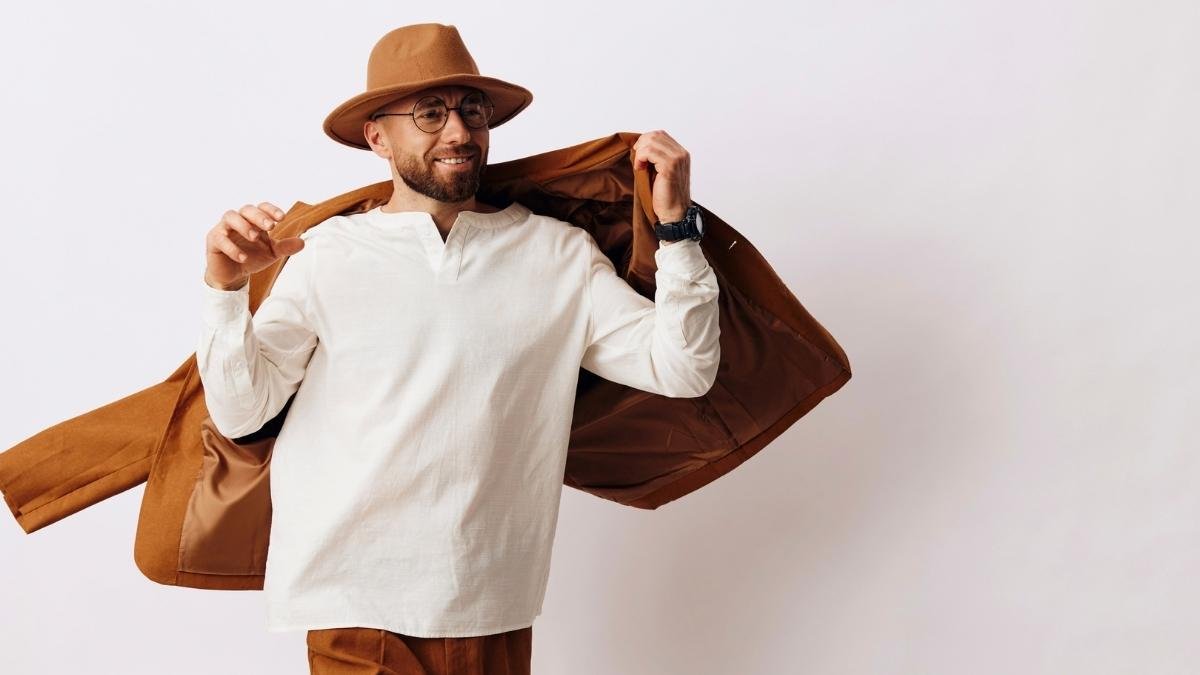
Have you ever stopped to think about how your daily choices shape the clothes you pick? What you wear is more than just fabric and colors—it’s a reflection of your lifestyle.
Whether you’re always on the go, working from home, or hitting the gym regularly, your habits and routines influence your wardrobe more than you realize. Understanding this connection can help you dress smarter, feel more confident, and even save time and money.
Keep reading to discover how your lifestyle affects what you wear and how you can make your wardrobe work better for you.
Credit: nyboneandjoint.com
Lifestyle And Clothing Choices
Your lifestyle plays a big role in what you wear every day. Clothes are not just about style. They also show how you live and what you do. Different parts of your life shape your choices in clothing. From work to social activities and even the weather, many things affect what ends up in your closet.
Work Environment Impact
The place you work changes how you dress. Offices with strict rules need formal clothes like suits or dresses. Jobs in creative fields often allow casual or trendy outfits. Physical jobs require comfortable and durable clothes. Your work environment decides if you wear polished shoes or sneakers. This choice helps you fit in and feel right at work.
Social Activities Influence
Your social life affects your wardrobe too. Meeting friends at a cafe calls for casual, relaxed clothes. Going to a party might mean choosing something bright or stylish. Sports or outdoor hobbies need activewear or gear. Dressing for social events shows your personality and helps you enjoy the moment. Clothes become a way to express yourself in different settings.
Climate And Weather Effects
Weather is a major factor in clothing choices. Hot places need light, breathable fabrics to stay cool. Cold climates require layers and warm materials like wool. Rainy areas make waterproof jackets and boots a must. Your clothes protect you and keep you comfortable every day. Choosing the right outfit means paying attention to the weather outside.
Credit: www.goodstoneinc.com
Daily Routine And Style
Your daily routine shapes your clothing choices more than you realize. Each day brings different tasks and settings. These moments guide what you wear, blending style with purpose.
Understanding the link between your routine and style helps you dress smarter. Your clothes should fit your lifestyle, not just your taste. This way, every outfit feels right and works well for your day.
Casual Vs Formal Needs
Some days require casual clothes, others call for formal wear. Casual outfits suit relaxed activities like running errands or meeting friends. Formal clothes fit work meetings or special events better.
Knowing your daily demands helps pick the right style. Too formal clothes can feel stiff for casual tasks. Too casual clothes may not look right at work.
Comfort And Functionality
Comfort matters a lot in daily dressing. Clothes should allow easy movement and feel good on your skin. Functionality means your outfit fits your activities well.
For example, breathable fabrics suit hot days. Stretchy materials help if you move a lot. Pockets or layers add usefulness to your outfit.
Time Constraints And Outfit Selection
Busy mornings leave little time to choose clothes. Simple, easy-to-wear outfits save precious minutes. Planning ahead can prevent stress and rushing.
Outfits that mix and match easily are a big help. Ready-to-go combinations reduce decision fatigue. Your style stays consistent even on tight schedules.
Personal Values And Fashion
Personal values shape many choices, including fashion. Clothes reflect beliefs and lifestyle. They tell stories about what matters to a person. Fashion is more than style; it mirrors ethics and culture. These values guide the type of clothes people buy and wear.
Sustainability Considerations
Many people choose clothes that protect the planet. They prefer brands using eco-friendly materials. Organic cotton, recycled fabrics, and natural dyes are popular. Avoiding fast fashion reduces waste and pollution. Sustainable choices support a healthier environment.
Cultural And Ethical Influences
Culture shapes fashion deeply. Traditional clothes show heritage and pride. Some avoid brands with poor labor practices. Fair trade and cruelty-free labels attract conscious buyers. Fashion expresses respect for culture and ethics.
Minimalism And Wardrobe Size
Minimalism means owning fewer, quality clothes. It saves money and reduces clutter. People focus on versatile pieces that last longer. Smaller wardrobes reflect thoughtful, value-driven living. This trend helps reduce overconsumption in fashion.
Credit: versanthealth.com
Body Type And Activity Level
Your body type and activity level shape your clothing choices. Clothes should fit well and suit your daily habits. Different bodies need different styles for comfort and style. Your activity level also guides what fabrics and cuts work best.
Choosing the right clothes boosts confidence. It helps you feel good and move freely. Understanding these factors makes dressing easier and more fun.
Active Lifestyle Wardrobe
An active lifestyle needs durable and flexible clothes. Breathable fabrics keep you cool and dry. Stretchy materials let you move without limits. Choose lightweight layers for changing weather. Shoes should support your feet and suit your activities. Simple designs work well for quick changes.
Fit And Flattery Tips
Clothes that fit well look better and feel better. Avoid clothes that are too tight or too loose. Tailored pieces highlight your best features. Use belts to define your waist. Vertical lines can elongate your body. Dark colors can slim your figure. Choose necklines that suit your shoulders and neck.
Adapting To Physical Changes
Bodies change with age, weight, and lifestyle shifts. Update your wardrobe to match these changes. Focus on comfort and ease of wear. Stretch fabrics can adjust with your body. Avoid stiff or restrictive materials. Layering helps with temperature changes. Adjust styles to reflect your current self.
Style Tips For Different Lifestyles
Your lifestyle shapes your wardrobe choices every day. Clothes must fit your routine and activities. Picking the right styles can boost comfort and confidence. Here are simple style tips for different lifestyles.
Professional Wardrobe Essentials
Work clothes need to look sharp and neat. Choose classic pieces like tailored blazers and dress pants. Solid colors such as navy, black, and gray work well. A crisp white shirt is a must-have. Shoes should be clean and polished. Keep accessories simple, like a watch or small earrings. A good fit makes all the difference in professionalism.
Casual And Weekend Looks
Casual wear should be comfortable yet stylish. Soft t-shirts, jeans, and sneakers are great choices. Layer with hoodies or light jackets for cooler days. Choose breathable fabrics like cotton for ease. Add fun with colorful or patterned pieces. Keep it relaxed but put together for outings or home time.
Travel-friendly Outfits
Travel clothes must be practical and easy to move in. Stretchy pants or leggings offer comfort. Pack tops that mix and match well. Lightweight layers help adjust to temperature changes. Choose shoes that are easy to slip on and off. Avoid heavy fabrics that wrinkle quickly. A small scarf or hat can add style and function.
Building A Versatile Wardrobe
Building a versatile wardrobe fits every lifestyle. It means having clothes that work for many occasions. You save time and money. You also feel confident wearing what suits your day.
A versatile wardrobe adapts to work, play, and rest. Choose pieces that mix well and last long. Focus on quality and style that stay fresh.
Mix And Match Strategies
Select basic colors like black, white, and navy. These colors pair well with almost anything. Combine different textures and patterns carefully. A striped shirt with solid pants looks sharp. Layer clothes to create new looks easily. Change shoes or jackets to switch style quickly.
Investment Pieces
Buy fewer but better items. A good coat or sturdy shoes last years. Choose classic designs that don’t go out of style. These pieces hold value and improve your look. Quality fabrics feel better and wear well. Think about fit and comfort before buying.
Accessorizing For Flexibility
Accessories change your outfit fast. Scarves, belts, and jewelry add interest. Use a watch or bag to match your mood. Hats and sunglasses protect and style at once. Keep accessories simple to mix with many clothes. They help you switch from casual to formal easily.
Frequently Asked Questions
How Does Lifestyle Influence Clothing Choices?
Lifestyle dictates daily activities, comfort needs, and social settings. These factors shape your wardrobe to fit work, leisure, and events.
Why Is Comfort Important In Fashion?
Comfort ensures you feel good and confident. It affects fabric choice, fit, and style, aligning with your daily routine.
Can Work Environment Affect What You Wear?
Yes, professional settings often require formal or business casual attire. This influences your clothing style and purchase decisions.
How Do Hobbies Impact Fashion Style?
Hobbies like sports or arts demand specific gear or casual wear. This personalizes your wardrobe and reflects your interests.
Conclusion
Your daily habits shape the clothes you choose to wear. Comfort, activity, and work all play a part. Dressing to fit your lifestyle helps you feel confident. Clothes can show who you are without words. Changing your routine might mean changing your wardrobe.
Small changes make a big difference in style. Think about your needs before picking outfits. Your lifestyle and clothing are connected every day. Dress smart, live well, and enjoy your look.