Persona Outfit

Color Psychology in Fashion: Style Secrets That Influence You
Color Psychology in Fashion:

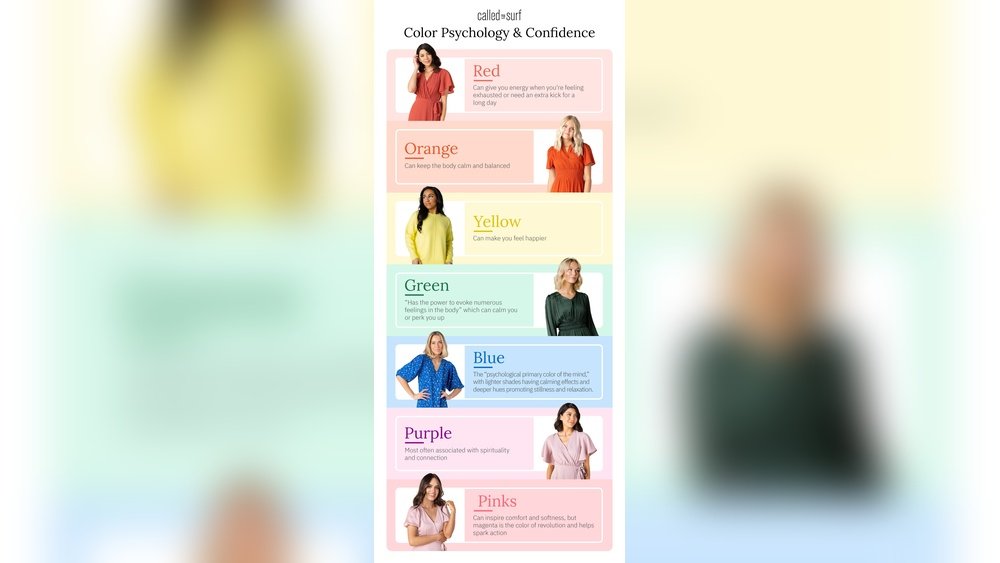
Have you ever wondered why you feel more confident in a red dress or calmer in a blue shirt? The secret lies in color psychology—a powerful tool that fashion uses to speak without words. The colors you choose to wear don’t just shape how others see you; they also influence your mood, energy, and even how you perform in daily situations. Whether you want to impress in an interview, express creativity, or simply boost your own spirits, understanding color psychology can transform your wardrobe into a personal power source. Ready to discover how the right hues can elevate your style and mindset? Keep reading to unlock the fascinating connection between color and fashion—and learn how to make every outfit work for you. Color Impact On Emotions Colors in fashion have a powerful effect on emotions. They can change how you feel and how others see you. Choosing the right color can improve your mood and confidence. Colors send silent messages without words. Understanding these messages helps you dress to express or influence emotions. How Colors Influence Mood Colors affect the brain and body. Warm colors like red and orange create energy and excitement. Cool colors like blue and green bring calm and peace. Bright colors lift spirits and increase happiness. Dark colors may feel serious or sad. The right color can set the tone for your day. Boosting Confidence With Color Wearing certain colors can make you feel stronger. Red is linked to passion and power. Black shows elegance and authority. These colors can help you feel more confident in meetings or events. They make a bold statement without saying a word. Dressing with confidence changes how you act and how others react. Colors That Calm And Relax Soft blues and greens help reduce stress. These colors remind us of nature and water. Light shades create a peaceful feeling. Wearing calming colors helps lower anxiety and improve focus. They are perfect for busy days or stressful situations. Calm colors make you feel grounded and balanced. Credit: dishafashioninstitute.com Meaning Behind Key Colors Colors in fashion speak louder than words. They influence how others see us and how we feel inside. Each color carries a special meaning. Choosing the right color can change your mood and boost your confidence. Understanding these meanings helps you pick clothes that express your true self. Here are key colors and what they represent in fashion. Red For Passion And Power Red grabs attention. It shows passion, strength, and boldness. People see red as a confident, energetic color. Wearing red can make you feel more powerful and excited. It works well for important events or moments when you want to stand out. Blue’s Calm And Trust Blue creates a calm feeling. It is linked to trust and reliability. Dark blue looks professional and serious. Light blue feels friendly and relaxed. Blue is a great choice for work or interviews. It helps you seem honest and peaceful. Green’s Harmony And Growth Green symbolizes nature and balance. It shows harmony, growth, and health. People find green soothing and fresh. Wearing green suggests you are calm and steady. It is perfect for casual days or times you want to feel grounded. Yellow’s Energy And Creativity Yellow shines with energy and joy. It sparks creativity and optimism. Yellow draws the eye and lifts the mood. It suits playful, fun occasions. Wearing yellow can make you feel happier and more open to new ideas. Black’s Elegance And Authority Black stands for elegance and power. It feels formal and strong. Black clothes show authority and style. People often wear black to look professional and serious. It suits almost any occasion, from business to evening events. White’s Purity And Simplicity White means purity and simplicity. It gives a clean, fresh look. White can feel modern and minimalist. Wearing white shows you like neatness and order. It works well in warm weather or for a soft, calm style. Purple’s Luxury And Imagination Purple links to luxury and creativity. It feels rich and unique. Purple colors suggest imagination and individuality. People use purple to stand out with elegance. Wearing purple can boost feelings of confidence and mystery. Color Choices For Different Settings Choosing the right colors for different settings affects how others see you and how you feel. Colors send silent messages about your mood, confidence, and personality. Matching colors to occasions helps make strong impressions and supports your goals. Below are key tips for selecting colors in various environments. Dressing For Interviews And Business Dark blue and gray show professionalism and trust. These colors make you appear calm and reliable. Black signals power but can feel too strong if overused. White adds a clean, neat touch to your outfit. Avoid overly bright colors that distract or seem unprofessional. Simple, solid colors work best for interviews and formal meetings. Colors For Creative Roles Creative jobs allow more freedom with colors. Purple suggests imagination and originality. Green feels fresh and balanced, good for open-minded roles. Yellow stands out and shows energy and optimism. Combining these colors reflects a unique, friendly personality. Choose shades that feel natural but express creativity clearly. Socializing With Vibrant Hues Bright reds and yellows attract attention and invite conversation. These colors create a lively, positive vibe. Wearing vibrant hues helps you stand out in social settings. They make you seem approachable and fun. Balance bright colors with neutral tones to avoid overwhelming your look. Managing Mood Through Clothing Colors can lift or calm your mood throughout the day. Blue tones reduce stress and promote focus. Warm colors like red and orange boost energy and confidence. Soft pastels ease anxiety and bring comfort. Pick your outfit’s colors based on how you want to feel or act. Use clothing to support your emotional well-being easily. Credit: www.printful.com Cultural And Personal Color Context Colors in fashion carry meaning beyond style. They reflect culture and personal taste. Understanding this helps you choose outfits that express who you are. Color meanings change with background and experience. This … Read more
How to Dress Confidently Without Following Trends: Timeless Style

How to Dress Confidently Without Following Trends

You don’t need to chase every trend to look and feel amazing. Imagine opening your closet and knowing exactly what to wear—pieces that fit you perfectly and make you stand out for all the right reasons. Dressing confidently isn’t about following the crowd; it’s about owning your unique style and expressing who you are. You’ll discover simple ways to build a wardrobe that boosts your confidence without the stress of trends. Ready to unlock your personal style and turn heads wherever you go? Keep reading to find out how. Credit: www.jovani.com Build A Signature Wardrobe Building a signature wardrobe helps create confidence without chasing trends. It focuses on timeless style and personal comfort. This approach makes dressing easier and more enjoyable every day. A well-curated wardrobe reflects your personality and fits your lifestyle perfectly. Choose Classic Pieces Select clothing that never goes out of style. Think simple cuts and clean lines. A tailored blazer, a white button-down shirt, or well-fitted jeans work well. These pieces mix and match easily. They form the base of your signature look. Avoid flashy details that fade quickly from fashion. Prioritize Quality Over Quantity Invest in fewer but better items. Quality fabrics last longer and feel nicer. Look for natural materials like cotton, wool, or linen. Check stitching and buttons for durability. High-quality clothes keep their shape and color after washing. This saves money and reduces waste over time. Stick To Neutral Colors Neutral tones create a versatile wardrobe. Colors like black, white, navy, beige, and gray blend well together. They make outfit planning simple and quick. Neutral colors suit any occasion and season. Add small pops of color with accessories if desired. This keeps your style fresh without overwhelming your look. Focus On Fit And Comfort Dressing confidently starts with focusing on fit and comfort. Clothes that fit well and feel good help you look and feel your best. Comfort lets you move freely without distraction. Fit shapes your silhouette and highlights your best features. Prioritize these elements over fast-changing trends for timeless style. Know Your Body Shape Identify your body shape to find flattering clothes. Different styles suit different figures. Choose cuts that enhance your natural shape. Avoid clothes that add bulk or hide your form. Understanding your body helps you buy pieces that fit well and boost confidence. Tailor Clothes When Needed Off-the-rack clothes rarely fit perfectly. Visit a tailor to adjust hems, sleeves, and waistlines. Small changes can transform how clothes fit and look. Tailoring ensures your outfit feels custom-made. Well-fitted clothes improve posture and comfort instantly. Select Comfortable Fabrics Pick fabrics that feel soft and breathable on your skin. Natural fibers like cotton, linen, and wool offer comfort and durability. Avoid stiff or itchy materials that restrict movement. Comfortable fabrics keep you relaxed and confident all day. Quality fabric also lasts longer, saving money over time. Express Your Personality Dressing confidently means showing who you really are through your clothes. It is not about copying what everyone else wears. Your style should tell a story about your personality. Clothes become a way to express your mood, values, and creativity. When you dress to show your true self, you feel stronger and more comfortable. This confidence shines through in your actions. It draws people to you naturally. The key is to find pieces that reflect your unique character and make you happy. Incorporate Meaningful Accessories Accessories add a personal touch to any outfit. Choose items that have special meaning or tell a story. A necklace passed down in your family or a bracelet from a trip can make your look unique. These small details show your background and interests. Pick accessories that match your daily life and personality. They can be subtle or bold but must feel right to you. Wearing meaningful pieces helps you stand out without following trends. Use Color To Reflect Mood Colors speak louder than words in fashion. They express how you feel without saying a thing. Select colors that match your mood or the message you want to send. Bright colors show energy and joy. Dark shades can feel serious or calm. Do not worry about what is popular. Wear colors that make you smile or feel strong. When your clothes reflect your inner self, your confidence grows. Color becomes a simple, powerful way to express personality. Mix And Match Thoughtfully Mixing different clothes lets you create a style that belongs only to you. Combine items you love from various places and times. Pair a vintage shirt with modern pants or a casual top with elegant shoes. This shows creativity and a personal story. Think about how pieces work together in color, shape, and comfort. The right mix makes your outfit feel natural and true to you. It also keeps your wardrobe fresh without chasing trends. Thoughtful mixing means dressing with heart. Credit: footwearmagazine.com Create A Versatile Closet Creating a versatile closet helps you dress with confidence every day. A well-planned wardrobe saves time and reduces stress. It lets you mix and match pieces easily. This way, you look stylish without chasing trends. Focus on clothes that fit well and suit your style. Choose items that work for many occasions. Keep your closet simple but flexible. Quality over quantity is key. Apply The Five Outfit Rule The five outfit rule guides smart buying choices. Before buying, check if the item matches five things you own. If not, skip it. This rule stops clutter and boosts outfit options. It helps build a cohesive wardrobe. Each piece should fit your style and mix well. Following this rule creates a closet full of useful clothes. Invest In Multi-use Items Multi-use items are wardrobe heroes. Pick clothes that work for work and weekends. Examples include a classic blazer, dark jeans, or a simple dress. These pieces save money and space. They let you create many outfits with fewer clothes. Choose neutral colors and timeless cuts. Multi-use items keep your style fresh without extra effort. Rotate Seasonal Staples Rotate your … Read more

How to Dress for Your Body Shape

How to Dress for Your Body Shape

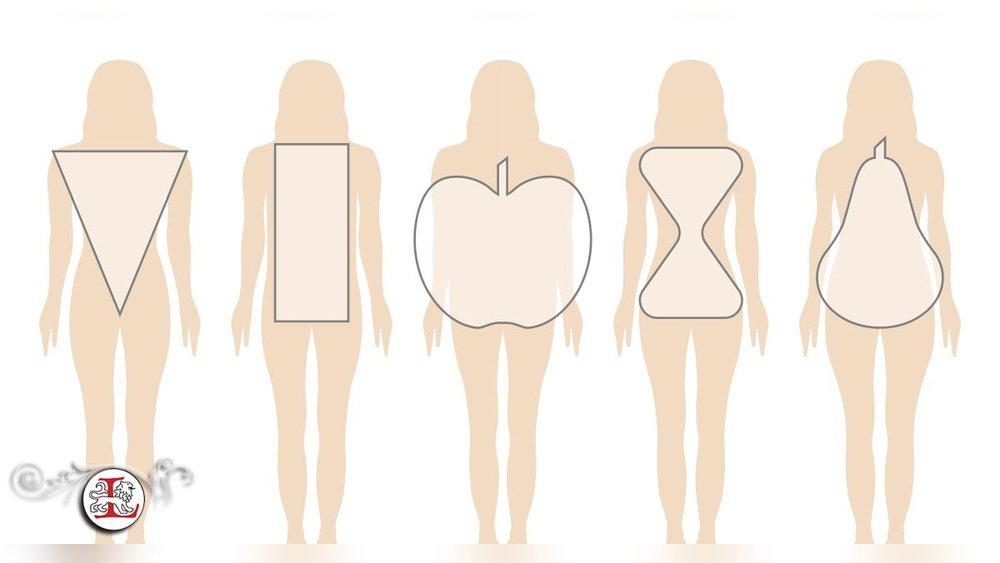
Are you ready to unlock the secret to looking and feeling your best every time you get dressed? Understanding how to dress for your body shape isn’t about following every fashion trend—it’s about highlighting your unique features and creating a balanced, flattering silhouette that boosts your confidence. Whether you have an hourglass figure, pear shape, or something else, the right clothes can make all the difference. Keep reading, and you’ll discover simple, practical tips tailored just for your body type that will transform your wardrobe and your self-image. Don’t settle for clothes that don’t celebrate you—let’s find the styles that truly work for your shape! Credit: zapaka.com Identify Your Body Shape Knowing your body shape helps you choose clothes that fit and flatter you. Clothes that match your shape highlight your best features. It makes shopping easier and boosts your confidence. Start by understanding the five main body shapes. Each shape has unique traits and styling tips. Inverted Triangle This shape has broad shoulders and a wider bust than hips. The upper body looks stronger than the lower half. Choose clothes that soften your shoulders. V-neck tops and darker colors on top work well. Add volume to your hips with A-line skirts or wide-leg pants. Pear Shape Hips are wider than the shoulders and bust in this shape. The lower body is the focus. Balance your look by adding volume to the upper body. Wear detailed tops, bright colors, or statement necklaces. Keep bottoms simple with dark jeans or A-line skirts. Hourglass Figure Shoulders and hips are about the same width. The waist is clearly defined. This shape suits clothes that highlight the waist. Wrap dresses, belts, and fitted tops work best. High-waisted pants or skirts also emphasize your curves. Rectangle Shape Shoulders, waist, and hips are similar in width. This shape has a straight silhouette. Create curves with belted dresses and peplum tops. Ruffles and tailored blazers add shape. Choose styles that add definition to your waist. Apple Shape Weight gathers around the midsection in this shape. The waist is less defined. Use clothes that elongate your torso. V-necks and scoop necks create a balanced look. Empire waist tops and flowy fabrics help avoid clinginess. Credit: www.corporatefashionista.com Dress For Hourglass Shape The hourglass body shape features balanced shoulders and hips with a clearly defined waist. Dressing for this shape means emphasizing natural curves and showcasing the waistline. Clothes that fit well help highlight the body’s natural proportions and create a polished look. Choosing the right styles enhances the hourglass figure’s best features. Focus on pieces that define the waist and fit snugly without being too tight. These tips make dressing simple and stylish. Highlight The Waist The waist is the hourglass shape’s strongest feature. Use belts or wrap dresses to draw attention to this area. Clothing with waist cinching or tailored cuts also works well. Avoid loose or boxy tops that hide the waist. Fitted Tops And Dresses Choose tops and dresses that follow the body’s natural curves. Fitted styles flatter the bust and waist without adding bulk. Stretchy fabrics help maintain comfort and shape. Avoid shapeless or oversized garments that hide your silhouette. High-waisted Bottoms High-waisted skirts and pants emphasize the narrow waist and elongate the legs. These styles balance the hips and create a smooth line. Pair with tucked-in or fitted tops to keep the waist visible. Avoid low-rise bottoms that can shorten the torso. Style Tips For Pear Shape The pear body shape features hips wider than shoulders and bust. Dressing well means balancing your proportions. Focus on enhancing your upper body to create harmony. Use simple, clean styles for your lower body. Accessories help draw attention upward and complete your look. Add Volume To Upper Body Choose tops with ruffles, puff sleeves, or shoulder pads. Light colors and patterns add visual interest. Boat necks and off-shoulder styles highlight your shoulders. Layer with structured jackets or blazers to build shape. These details create the illusion of broader shoulders. Balance With Simple Bottoms Wear dark, solid-colored pants or skirts to slim hips. Avoid heavy fabrics or busy prints on the lower half. A-line skirts and straight-leg pants work well. Keep bottoms fitted but not tight for comfort and style. This keeps the focus on your upper body. Use Statement Accessories Necklaces, scarves, and earrings attract attention upward. Choose bold, colorful pieces to brighten your face area. Wide-brim hats or headbands add volume above the shoulders. These accessories balance your silhouette nicely. They complete your outfit with style and flair. Credit: www.stitchfix.com Flatter Apple Shape The apple body shape carries weight around the midsection. Many with this shape have slim legs and arms. Dressing well can highlight your best features. Clothes that create a balanced look work best for apple shapes. Focus on elongating the torso to add height and slimness. Elongate The Torso Wear clothes that create a longer line for your torso. Vertical stripes and long cardigans help stretch your look. High-waisted pants or skirts lift the waist visually. Avoid bulky tops that add volume around the stomach. Fit and flare dresses highlight your legs and slim your middle. Choose Flowy Fabrics Pick fabrics that drape softly over the body. Flowy materials hide the midsection without clinging. Avoid stiff or heavy fabrics that add bulk. Lightweight chiffon, soft cotton, or jersey work well. Clothes that move with your body feel comfortable and look flattering. Opt For V-necklines V-neck tops create a longer, leaner neck line. They draw attention upward to your face and collarbone. Avoid high necklines that cut off the neck visually. Wrap tops and dresses also flatter this shape. These necklines balance your proportions and add style. Enhance Rectangle Shape The rectangle body shape has shoulders, waist, and hips of similar width. This shape often looks straight without many curves. Enhancing this shape means creating the illusion of curves and defining the waist. Simple styling tricks can add more shape and interest to your look. Create Curves With Belts Belts help define the … Read more

How to Build a Personal Style Mood Board: Inspire You

How to Build a Personal Style Mood Board

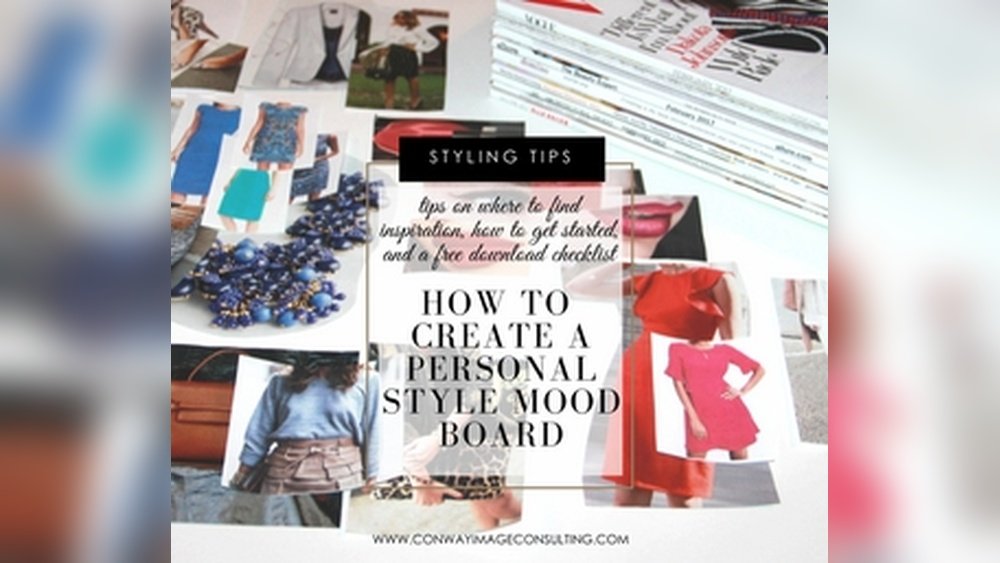
Do you ever feel stuck when trying to define your personal style? A personal style mood board might be the key to unlocking your fashion creativity. It’s a simple, fun way to gather your favorite looks, colors, and textures all in one place. By building your own mood board, you can see exactly what inspires you and make better choices for your wardrobe. Ready to discover how to create a mood board that truly reflects who you are? Keep reading, and you’ll learn the easy steps to build one that brings your style vision to life. Gather Inspiration Gathering inspiration is the first step to building your personal style mood board. It helps you see what attracts you and what fits your personality. Collecting various elements creates a clear picture of your style preferences. This step lets you explore and choose freely without pressure. Find Images And Textures Start by searching for images that speak to you. These can be photos of clothes, accessories, or even nature. Textures like fabrics or patterns add depth and interest. Use magazines, websites, or your own photos to gather these visuals. Choose images that feel right and show your style mood. Collect Color Swatches Colors set the mood of your style board. Pick swatches of colors that you love or want to try. These could be bright, soft, neutral, or bold shades. Use paint chips, fabric samples, or digital color tools. Group colors that look good together to create harmony in your board. Save Style Quotes And Words Words and quotes can express your style feelings. Find short phrases or words that inspire you or describe your style. These might be about confidence, comfort, or creativity. Add them to your mood board to give it personality. They help you stay focused on the style you want. Choose Your Tools Choosing the right tools shapes how you build your personal style mood board. The tools you pick affect your creativity and ease of use. Some prefer digital platforms, while others enjoy hands-on DIY boards. You can also combine both methods for a richer experience. Select tools that fit your comfort and style vision. Digital Platforms To Use Digital platforms offer easy ways to collect and organize images. Sites like Pinterest let you save photos from across the web. Canva provides templates for mood boards and simple editing tools. Milanote helps you arrange images, colors, and notes on one screen. These platforms let you update your mood board anytime, anywhere. Diy Physical Boards Physical boards bring a tactile feel to your mood board. Use corkboards, poster boards, or foam boards as your base. Cut out images from magazines or print your favorites. Add fabric swatches, color chips, and handwritten notes. This method makes your style vision tangible and can inspire new ideas. Mixing Digital And Physical Combining digital and physical tools gives you the best of both worlds. Start by collecting ideas digitally for easy browsing. Print your top picks to arrange on a physical board. Use your phone or tablet to add new finds on the go. This mix helps keep your style fresh and flexible. Define Your Style Theme Defining your style theme is the first step in building a personal style mood board. It helps you focus on a clear vision. This stage guides every choice you make. Your theme reflects your personality and lifestyle. It makes your mood board unique and authentic. Choosing a style theme creates harmony in your selections. It ensures all elements work well together. This foundation makes it easier to design your wardrobe or space. Start by thinking about what feels right to you. Let your style theme tell your story. Pick A Mood Or Vibe Choose a mood that fits your personality. It can be calm, edgy, playful, or elegant. The mood sets the tone for your entire style. Look for images that capture this feeling. Think about how you want to feel in your clothes or space. This vibe will guide your style choices clearly. Select A Color Palette Colors create emotion and style identity. Pick a palette with three to five main colors. Use shades that complement each other well. Your colors should match the mood you chose earlier. Include neutral tones to balance bold colors. This palette helps you stay consistent and focused. Add Patterns And Textures Patterns and textures add depth and interest to your style. Choose ones that match your color palette and mood. Think about stripes, florals, or geometric designs. Add textures like denim, silk, or leather. These details make your style mood board rich and tactile. Credit: themomedit.com Arrange Your Board Arranging your personal style mood board helps bring your vision to life. This step turns scattered ideas into a clear, inspiring layout. A well-arranged board guides your style choices and keeps your look focused. Follow simple tips to organize images, colors, and fonts effectively. Organize Images And Colors Group similar images to create visual harmony. Place photos with matching colors close together. Use color swatches to highlight your favorite palettes. Keep your board neat by avoiding clutter. This makes it easier to see your style theme clearly. Balance Visual Elements Mix large and small images for a dynamic look. Spread out bold colors to avoid overpowering one area. Leave some empty space to give your eyes a break. Balance keeps your board pleasant and easy to understand. It helps show your style in a natural way. Use Typography And Fonts Choose fonts that match your style mood. Use one or two font styles to keep it simple. Place words or quotes where they add meaning. Make sure text is easy to read. Typography adds personality and completes your mood board’s look. Refine And Edit Refining and editing your personal style mood board is a crucial step. It shapes your ideas into a clear, focused vision. This process helps you remove distractions and highlight your true style. Take your time to review each element carefully. Focus on what truly … Read more

What Color Shirt to Wear With Black Suit

What Color Shirt to Wear With Black Suit​

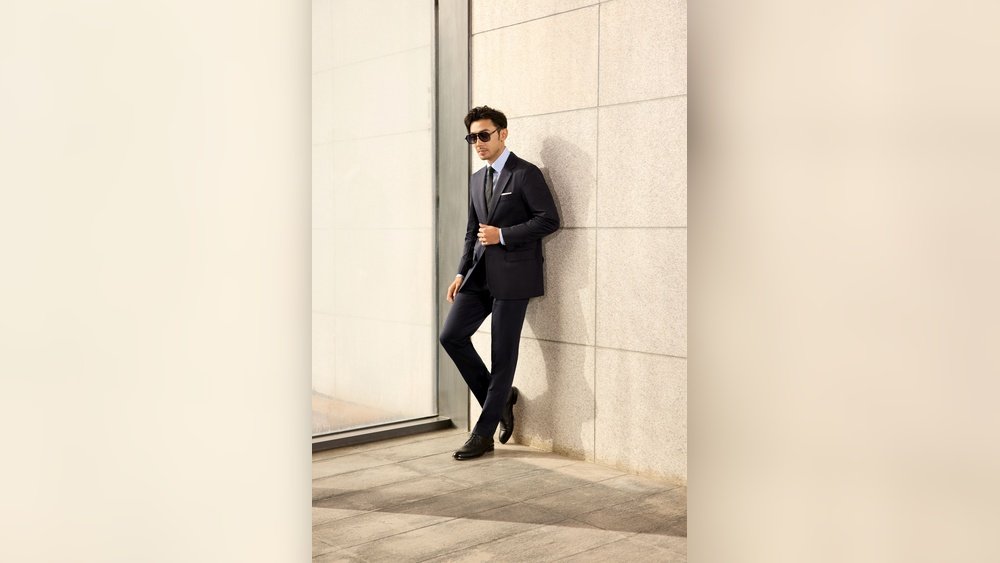
You’ve got your sharp black suit ready, but what about the shirt? Choosing the right shirt color with a black suit can completely change your look—from classic and elegant to bold and modern. The wrong choice might make you blend in or feel uncomfortable, but the perfect pairing will make you stand out with confidence. Whether you’re dressing for a business meeting, wedding, or a night out in Austin, knowing which shirt colors work best with a black suit is a game-changer. Keep reading to discover simple, stylish options that will elevate your outfit and help you nail your next event with ease. Credit: xsuit.com Classic Shirt Colors When pairing a black suit, choosing the right shirt color is key to nailing a sharp and timeless look. Classic shirt colors offer a safe yet stylish route that suits nearly any occasion. Let’s break down the top three traditional choices that never go out of style and see why they work so well with black suits. White Shirt A white shirt with a black suit is the ultimate classic combo. It creates a crisp, clean contrast that commands attention and looks polished instantly. I remember wearing this combo to an important job interview—it made me feel confident and professional without trying too hard. This pairing works perfectly for formal events, business meetings, or any time you want to look sharp and put-together. Wondering how to style your white shirt? Try a dark solid tie for formality or a textured one for a bit of personality. Either way, it’s a fail-safe choice. Light Blue Shirt A light blue shirt adds a touch of color while keeping the look soft and approachable. It breaks up the starkness of black and white, making your outfit feel more relaxed yet still refined. This color works great in office settings or daytime events when you want to avoid looking too formal. Pair it with a navy or burgundy tie to keep the balance strong and stylish. Have you ever felt a black suit with a white shirt was too harsh? Light blue might be the subtle change you’re looking for to freshen up your look without losing sophistication. Light Grey Shirt Light grey shirts offer a modern twist on classic colors. They blend smoothly with black suits, giving a sleek, monochrome vibe that’s both understated and elegant. This shirt color is perfect if you want something different but still neutral enough to wear in almost any setting. It’s especially good for evening events or when you want a softer alternative to white. Consider pairing it with deeper toned ties like charcoal or navy to keep your outfit balanced and interesting. Are you ready to try light grey and add some subtle depth to your black suit? Credit: xsuit.com Bold And Modern Options Black suits offer a strong foundation for bold and modern style choices. Choosing the right shirt color can transform your look from classic to striking. These options add personality without overwhelming the sharpness of a black suit. Bold shirt colors and subtle patterns create fresh, contemporary outfits. Consider these ideas to stand out with confidence. Black Shirt A black shirt with a black suit creates a sleek, monochromatic look. This choice works best for evening events or stylish parties. It shows confidence and modern taste. The all-black outfit feels polished and edgy. Pair it with simple accessories to keep the focus on the sharp contrast between fabric and fit. Deep Colors: Burgundy And Navy Burgundy and navy shirts add rich tones to a black suit. These deep colors maintain formality but offer more personality than white. Burgundy brings warmth and luxury. Navy adds calm and sophistication. Both colors work well for business or social settings. Choose a slim-fit shirt to keep the look sharp and clean. Muted Patterns Muted patterns give subtle texture without clashing with a black suit. Look for soft stripes, tiny checks, or delicate dots in neutral shades. These patterns add interest while staying understated. They soften the formality of the black suit, making it easier to wear for casual or creative occasions. Keep the pattern size small to avoid overpowering the outfit. Casual Shirt Choices Choosing the right casual shirt to wear with a black suit can change your entire look. It softens the formality and adds personality. Casual shirts bring comfort and style without losing elegance. Here are some easy, stylish options to try next time. Pale Pink Shirt A pale pink shirt pairs beautifully with a black suit. It adds a gentle pop of color without being loud. This shade works well for daytime events and casual dinners. Pale pink brightens your outfit and keeps it fresh and modern. It also suits many skin tones and gives a friendly vibe. Open-necked Styles An open-necked shirt looks relaxed yet smart with a black suit. Skip the tie for a breezy, casual feel. This style is perfect for social gatherings or less formal meetings. Choose soft fabrics like cotton or linen for comfort. The open collar frames your face and adds a cool, effortless touch. Subtle Stripes And Checks Shirts with subtle stripes or checks add texture and interest to a black suit. Keep the patterns small and light to avoid clashing with the suit’s boldness. These patterns create a stylish, layered look without being too busy. They work well for office casual or weekend outings. Stick to neutral colors like gray, white, or light blue for easy matching. Credit: www.jackmartin.us Matching Ties And Accessories Matching ties and accessories with a black suit and shirt is key to a polished look. The right tie and accessories add style and personality. They also balance colors and textures well. Choosing wisely makes a strong impression without overdoing it. Ties For White Shirts A white shirt with a black suit is classic and clean. Almost any tie color works here. Dark ties like navy, black, or deep red offer formality. Bright or patterned ties add a splash of personality. Keep the tie … Read more

How to Coordinate Mixed Metal Jewelry With Outfits: Ultimate Style Guide

How to Coordinate Mixed Metal Jewelry With Outfits

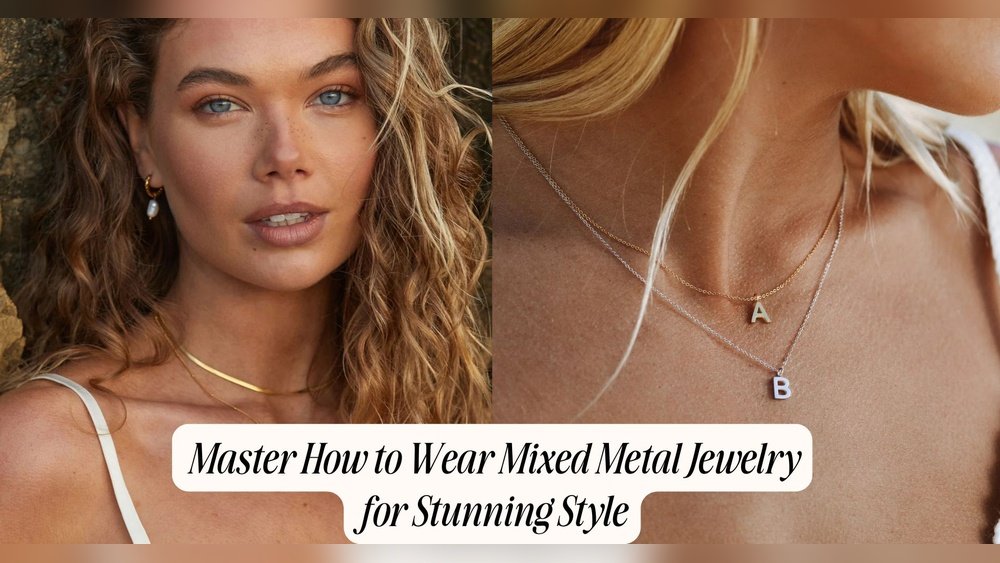
Are you ready to take your style to the next level? Mixing metal jewelry is one of the hottest trends, but it can feel tricky to pull off without looking mismatched. What if you could confidently combine gold, silver, and rose gold pieces in a way that makes your outfit pop? Whether you want to add a subtle shine or create a bold statement, knowing how to coordinate mixed metal jewelry with your clothes will make you stand out effortlessly. You’ll discover easy tips and clever tricks to master this look, so your accessories always enhance your style—not compete with it. Keep reading, and get ready to transform your jewelry game! Choosing Metals That Complement Choosing metals that complement your outfit helps create a balanced and stylish look. The right metals can enhance your appearance and highlight your personal style. Mixing metals is not just about combining pieces randomly. It requires thought about tones, colors, and skin tone. This section guides you on how to select metals that work well together and with your outfit. Pairing Warm And Cool Tones Warm metal tones include gold and rose gold. Cool metal tones include silver and platinum. Pairing warm and cool metals can create a unique contrast. This contrast makes your jewelry stand out without clashing with your outfit. Choose one metal tone as the main focus. Use the other tone as an accent to add interest. This method keeps your look balanced and visually appealing. Mixing Gold, Silver, And Rose Gold Gold, silver, and rose gold each bring different vibes to your look. Gold adds richness and warmth. Silver offers a sleek, modern feel. Rose gold introduces a soft, romantic touch. Combine these metals by layering thin necklaces or stacking bracelets. Start with one metal as your base. Add small pieces in the other metals to avoid overwhelming your look. Mixing these three metals can create a chic and contemporary style. Matching Metals To Skin Tone Skin tone plays a key role in choosing the right metal. Warm skin tones look best with gold and rose gold. Cool skin tones suit silver and platinum well. Neutral skin tones can wear any metal with ease. To find your skin tone, check the color of your veins. Blue or purple veins suggest cool tones. Green veins indicate warm tones. Matching metals to your skin tone enhances your natural glow and makes your jewelry look more flattering. Credit: editorialist.com Balancing Jewelry And Outfit Colors Balancing jewelry and outfit colors creates a polished and harmonious look. Mixed metal jewelry offers a unique way to add depth to your style. Choosing the right colors in your outfit can make your jewelry stand out or blend seamlessly. Understanding how to match metals with clothing shades enhances your overall appearance. This section explores tips to balance jewelry and outfit colors with mixed metals. Using Jewelry To Enhance Outfit Shades Jewelry can bring out the best in your outfit colors. Warm metals like gold and rose gold highlight earth tones and warm shades. Cool metals such as silver and white gold complement blues, greens, and cool colors. Match your jewelry’s tone with your clothing hues to create a balanced look. Use jewelry to add brightness or richness to your outfit colors. Subtle metal shades can enhance pastel or soft tones elegantly. Contrasting Metals With Neutral Clothing Neutral clothing provides a perfect backdrop for mixed metal jewelry. Whites, blacks, grays, and beiges allow metals to shine without clashing. Contrasting metals create a dynamic and stylish effect on simple outfits. Try combining silver and gold pieces to add visual interest. Neutral tones let your jewelry become the statement. This approach works well for both casual and formal looks. Coordinating With Bold And Patterned Outfits Bold or patterned outfits need careful jewelry coordination to avoid overload. Choose metals that pick up subtle shades within the pattern. Mix metals in small doses to prevent competition with busy prints. For loud patterns, opt for sleek and minimal mixed metal pieces. Balance the outfit’s energy by keeping jewelry simple but complementary. This method keeps your look stylish and well put together. Stacking And Layering Mixed Metals Stacking and layering mixed metals offers a fresh way to style jewelry. It lets you combine different metals like gold, silver, and rose gold in one look. This approach brings depth and personality to any outfit. You can create bold statements or subtle accents by adjusting how you stack and layer your pieces. Creating Bold Metal Combinations Bold metal combinations catch the eye immediately. Try stacking thick gold and silver bracelets together. Add chunky rings in different metals on the same hand. Mix large chains with solid cuffs for a strong look. This method shows confidence and a modern sense of style. Use pieces with clean lines to keep the look balanced. Subtle Layering Techniques Subtle layering adds elegance without overwhelming your outfit. Choose thin necklaces in gold and silver and wear them at different lengths. Stack slim bangles that vary in metal tone but share similar shapes. Layer delicate rings with tiny details for a refined effect. This style suits everyday wear and formal occasions. Mixing Textures For Visual Interest Mixing textures creates unique visual appeal in your metal layers. Pair shiny metals with matte finishes to add contrast. Combine hammered and smooth surfaces for a tactile feel. Use chain links alongside solid bands to break uniformity. Textured pieces bring life to your layered jewelry and prevent it from looking flat. Credit: robinsonsjewelers.com Styling Tips For Different Occasions Styling mixed metal jewelry for different occasions requires thoughtful choices. Each event calls for a unique balance of metals and designs. The right mix can enhance your outfit and express your personal style. Below are tips to help you coordinate your jewelry perfectly for casual, office, and formal settings. Casual Daytime Looks For casual daytime, keep your mixed metals simple and light. Combine thin gold and silver chains or bracelets for a relaxed vibe. Choose smaller pieces like studs … Read more

How to Find Your Fashion Aesthetic: Unlock Your Unique Style Today

How to Find Your Fashion Aesthetic

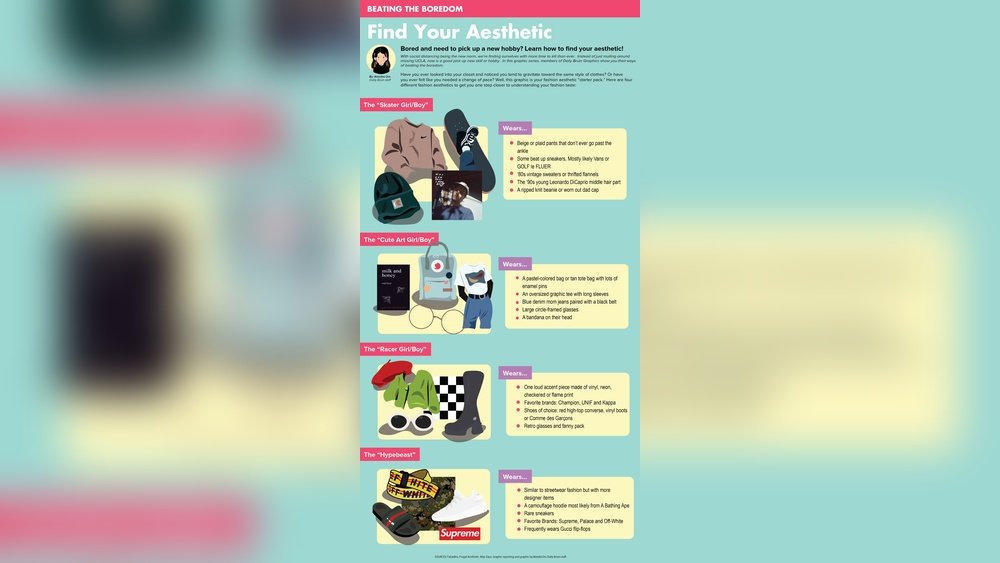
Are you tired of staring at your closet, feeling like you have nothing to wear? Finding your fashion aesthetic isn’t just about following trends—it’s about discovering the style that truly reflects who you are. When you know your aesthetic, getting dressed becomes effortless and exciting. Imagine opening your wardrobe and seeing pieces that make you feel confident and authentic every single day. Ready to unlock that secret? Keep reading, and you’ll learn simple, practical steps to find a style that fits you perfectly—no guesswork, just your unique fashion identity. Credit: www.youtube.com Identify Your Style Preferences Finding your fashion aesthetic starts with knowing what you like. Your style preferences reflect your personality and lifestyle. They guide your choices in clothing, accessories, and colors. Take time to explore what truly appeals to you. This step helps you build a wardrobe that feels natural and confident. It also makes shopping easier and more enjoyable. Focus on what makes you feel good and expresses who you are. Create Mood Boards Gather images that show styles you enjoy. Use magazines, websites, or apps like Pinterest. Group pictures by theme or mood. This visual collection helps you see patterns and ideas clearly. Mood boards make your style preferences concrete. They inspire outfit ideas and show what fits your vibe. Update your boards regularly to reflect changes in taste. Collect Inspiring Images Save photos of outfits, colors, and accessories you find appealing. Look for different styles to compare and contrast. This habit trains your eye to spot what you like most. Keep these images handy on your phone or computer. Review them before shopping or planning outfits. They serve as a quick reminder of your fashion goals. Note Favorite Colors And Patterns Identify colors that make you feel confident and happy. Notice patterns that attract your attention, like stripes or florals. These elements are key to defining your style. Write down your favorites to guide your shopping choices. Sticking to a color palette creates a cohesive wardrobe. Patterns add personality and variety to your looks. Assess Your Current Wardrobe Assessing your current wardrobe is a key step to find your fashion aesthetic. It helps you see what you like and what works for you. This process also shows what your style is right now. You get to know your favorite clothes and which items you rarely use. This insight guides you to build a wardrobe that suits your personality and lifestyle. Apply The Five Outfit Rule The Five Outfit Rule is simple. Each new piece you buy must match at least five items you already own. This rule stops you from buying clothes that will sit in your closet unused. It keeps your wardrobe versatile and easy to mix and match. Think about how each item fits with your current clothes before buying. Spot Your Go-to Pieces Look for clothes you wear often and feel confident in. These are your go-to pieces. They show your natural style and comfort level. Notice colors, cuts, and fabrics you choose repeatedly. These pieces reveal patterns in your style that you can build on. Keep these favorites in good condition and use them as style anchors. Identify Wardrobe Gaps Check for missing items that would complete your outfits. Maybe you lack basic tops or layering pieces. Or you might need accessories that match many outfits. Filling these gaps can make your wardrobe more functional. It helps you create outfits easily for different occasions. Make a list of these missing essentials for future shopping. Explore Different Fashion Aesthetics Exploring different fashion aesthetics helps you discover what feels right. It opens doors to new style ideas. You learn what matches your personality and lifestyle. This process makes dressing more fun and confident. Let’s dive into some popular aesthetics to inspire you. Classic And Timeless The classic style is simple and elegant. It uses clean lines and neutral colors. Think white shirts, tailored blazers, and dark jeans. These pieces never go out of style. They create a polished and professional look. Ideal for those who prefer a neat and put-together appearance. Bohemian And Free-spirited Bohemian style is relaxed and artistic. It embraces patterns, flowy fabrics, and earthy tones. Long skirts, fringe, and layered jewelry are common. This style shows creativity and a love for nature. Perfect for those who enjoy a carefree and unique look. Minimalist And Modern Minimalist fashion focuses on simplicity and function. It avoids clutter and uses solid colors. Black, white, and grey are frequent choices. Clean shapes and high-quality fabrics stand out here. Great for those who like a sleek, no-fuss wardrobe. Edgy And Streetwear This style is bold and urban. It mixes casual pieces like hoodies and sneakers with daring details. Leather jackets, graphic tees, and ripped jeans fit in well. It reflects confidence and a rebellious spirit. Best for those who want to stand out in a crowd. Consider Your Lifestyle And Body Shape Considering your lifestyle and body shape is essential in defining your fashion aesthetic. Clothes should fit your daily routine and highlight your best features. This approach helps you feel confident and comfortable. Choosing styles that suit your life and body makes dressing easier and more enjoyable. It avoids wasting time and money on items that don’t work for you. Match Style To Daily Activities Think about what you do each day. If you work in an office, classic and neat clothes fit best. For active jobs, choose durable and flexible outfits. Casual styles suit those with relaxed routines. Your clothes should support your tasks and lifestyle. Choose Flattering Silhouettes Each body shape has silhouettes that enhance its natural lines. Pear shapes look great in A-line skirts and fitted tops. Hourglass figures shine in tailored dresses and high-waisted pants. Experiment with shapes that highlight your strengths and create balance. Balance Comfort And Style Comfort is as important as style. Clothes that feel good boost your confidence. Stretch fabrics, soft materials, and proper fits keep you comfortable. Don’t sacrifice comfort for trends. Find a style … Read more

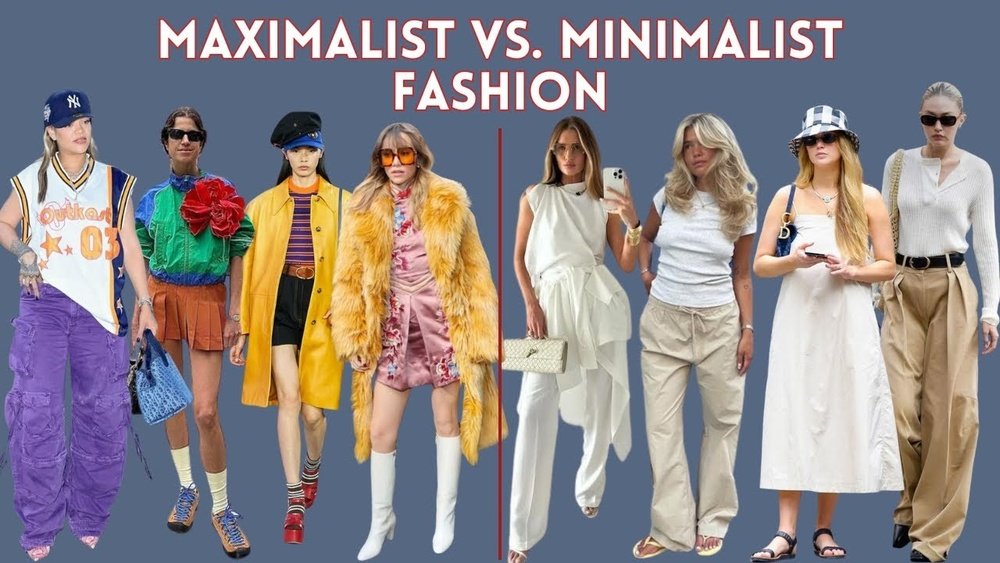
Minimalist Vs Maximalist Fashion: Style Showdown Revealed

Minimalist Vs Maximalist Fashion

Are you drawn to the sleek simplicity of minimalist fashion, or do you find yourself captivated by the bold, vibrant energy of maximalist style? Understanding the difference between these two fashion philosophies can transform how you express yourself through clothing. Whether you crave the clean lines and subtle elegance of minimalism or the playful, confident flair of maximalism, this guide will help you discover which style truly fits your personality and lifestyle. Ready to unlock the secrets behind these contrasting trends and find your perfect fashion balance? Keep reading to see how minimalist and maximalist fashion stack up—and which one speaks to you. Minimalist Style Basics Minimalist style embraces simplicity and elegance. It strips fashion down to its essential parts. This style avoids clutter and focuses on clean, timeless pieces. Minimalism creates a calm and polished look. It suits those who prefer subtle yet sophisticated dressing. Understanding the basics helps in adopting this refined style effectively. Clean Lines And Simple Shapes Minimalist fashion favors clean lines and simple shapes. Designs are straightforward without extra details. Smooth edges and classic silhouettes define the look. This approach keeps outfits neat and uncluttered. It highlights the natural form without distractions. Neutral Colors And Monochromes Neutral colors dominate minimalist wardrobes. Shades like white, black, gray, and beige form the base. Monochrome outfits create harmony and ease in dressing. These colors blend well and suit all occasions. They provide a calm and balanced appearance. Focus On Fit And Proportion Fit and proportion are key in minimalist style. Clothes must fit well and flatter the body shape. Proper tailoring enhances the clean lines of the outfit. Balanced proportions avoid overwhelming or underwhelming the look. This focus ensures a polished and intentional appearance. Quality Over Quantity Minimalism values quality over quantity. Investing in fewer, well-made pieces lasts longer. Durable fabrics and good craftsmanship matter most. This choice reduces waste and promotes sustainable fashion. It builds a versatile, timeless wardrobe. Maximalist Style Essentials Maximalist style is about expressing personality through bold fashion choices. It embraces fun, creativity, and confidence. This style breaks the rules and celebrates abundance in clothing and accessories. Maximalist essentials help you stand out and show your unique flair. Here are the core elements that define maximalist fashion. Each part adds depth and excitement to your outfit. Bold Colors And Patterns Maximalist style loves bright and contrasting colors. Mixing strong hues creates eye-catching looks. Patterns like florals, stripes, and animal prints often combine in one outfit. These vibrant choices express energy and joy. They make a powerful style statement without fear. Layering And Mixing Textures Layering is key in maximalism. Different textures like velvet, leather, and silk work well together. The mix of soft and rough fabrics adds richness. Layers also create volume and interest. This approach turns simple pieces into a striking ensemble. Statement Accessories Accessories in maximalist fashion are bold and large. Chunky necklaces, oversized earrings, and colorful scarves are common. These pieces grab attention and highlight your outfit. They show your confidence and playfulness. The more unique, the better. Embracing Eclecticism Maximalism celebrates mixing styles and eras. Vintage finds combine with modern trends freely. Cultural and artistic influences blend together. This mix creates a personal, one-of-a-kind look. Eclectic style shows creativity without limits. Key Differences In Fashion Philosophy Minimalist and maximalist fashion follow very different ideas about style. These differences shape how people dress and express themselves. Understanding these core contrasts helps you see what each style truly means. Both styles have unique views on what fashion should be. These views affect choices in clothing, colors, and accessories. The philosophy behind each style guides how people create their looks. Simplicity Vs. Extravagance Minimalist fashion values clean lines and simple shapes. It focuses on fewer pieces with a calm, uncluttered look. Every item serves a clear purpose with little decoration. Maximalist fashion embraces boldness and complexity. It combines many elements to create a striking, full appearance. Layers, patterns, and bright colors are common in this style. Subtlety Vs. Loudness Minimalism prefers quiet elegance. The style avoids drawing too much attention but still looks polished. Subtle colors and soft tones dominate the minimalist palette. Maximalism loves to stand out. It uses loud prints and eye-catching details. People who wear maximalist fashion want to be noticed and make a statement. Minimal Details Vs. Maximal Details Minimalist outfits rely on small, careful details like neat seams or simple buttons. These details add to the overall clean look without overwhelming it. Maximalist fashion includes many details such as embroidery, sequins, and bold accessories. These elements create richness and depth in every outfit. Gen Z’s Impact On Style Trends Gen Z has reshaped style trends with fresh ideas and bold choices. Their fashion sense breaks old rules and embraces personal identity. This generation mixes styles and colors to express who they are. Minimalism still exists, but maximalism thrives as a louder, more confident statement. Gen Z’s impact is clear in streetwear, social media, and beyond. Maximalism As Self-expression Maximalism is a way to show personality through fashion. Gen Z uses bright colors, patterns, and layers without fear. Clothes become a canvas for emotions and ideas. This style rejects blandness and invites creativity. It allows young people to stand out and share their story. Rejecting Traditional Norms Gen Z refuses to follow strict fashion rules. They challenge ideas that style must be simple or neat. Mixing vintage with modern, or casual with formal, is common. This rejection opens doors to new combinations and looks. Fashion becomes less about fitting in and more about freedom. Confidence Through Loud Dressing Loud dressing shows confidence and pride in one’s identity. Gen Z wears bold prints and oversized pieces to attract attention. These choices say, “I am here, and I am unique.” Dressing loudly can boost self-esteem and encourage others to be themselves. It is a statement against blending into the crowd. Blending Minimalism And Maximalism Blending minimalist and maximalist fashion creates a unique style. It balances simplicity with boldness. This mix … Read more

7 Common Personal Style Mistakes Beginners Make: Avoid These Pitfalls

7 Common Personal Style Mistakes Beginners Make

Are you struggling to find your personal style and wondering why your outfits don’t quite hit the mark? You’re not alone. Many beginners make simple style mistakes that hold them back from looking and feeling their best. These common errors can make your clothes feel uncomfortable, your look appear unpolished, or even drain your confidence. But what if you could avoid these pitfalls and start dressing in a way that truly reflects who you are? Keep reading, because uncovering these 7 common personal style mistakes could be the key to transforming your wardrobe—and your confidence—starting today. Credit: beyogi.com Fit Issues Fit issues rank among the most common style mistakes beginners make. Clothes that do not fit well can ruin any outfit. Poor fit distracts from your look and lowers your confidence. Understanding fit helps you dress better and feel comfortable. Focus on your body shape, size, and proportions to improve your style. Ignoring Body Shape Every body has a unique shape. Ignoring your body shape leads to clothes that do not flatter. Clothes should highlight your best features and balance your proportions. Wearing styles that suit your shape makes you look polished. Learn which cuts work well for your body. Wearing Wrong Sizes Wearing clothes that are too big or too small is a common error. Clothes that are too tight cause discomfort and unwanted bulges. Clothes that are too loose look sloppy and hide your figure. Always try on clothes before buying. Know your measurements and shop accordingly. Overlooking Proportions Proportions affect how clothes fit your body overall. Combining the wrong lengths and shapes can create an unbalanced look. For example, pairing an oversized top with loose pants can overwhelm your frame. Choose pieces that create harmony between your upper and lower body. Proper proportions improve your silhouette. Credit: www.uggs.com.au Outdated Wardrobe An outdated wardrobe can hold back your personal style. Clothes from years ago might not fit your current look or lifestyle. Refreshing your wardrobe helps you feel confident and modern. It also makes dressing easier and more fun. Holding Onto Old Pieces Many beginners keep clothes that no longer suit them. Old pieces may be faded, stretched, or out of style. Holding onto these items can clutter your closet and confuse your style. Letting go of outdated clothes creates space for fresh, flattering options. Donate or recycle pieces you no longer wear. Neglecting Fabric Quality Beginners often ignore the fabric quality of their clothes. Poor-quality fabric wears out fast and looks cheap. Choose fabrics that feel good and last longer. Natural fibers like cotton, wool, and linen usually offer better quality. Good fabric improves the overall look and comfort of your outfit. Poor Fabric Choices Fabric plays a huge role in defining your personal style. Choosing the right fabric can make your outfit look polished and feel comfortable. Poor fabric choices often ruin the overall appearance and comfort of your clothes. Beginners often overlook the quality and type of fabric, which leads to style mistakes. Understanding fabric basics helps you pick clothes that last longer and look better. Choosing Low-quality Materials Many beginners pick clothes made from cheap fabrics. These materials tend to wear out fast. They lose shape and color after a few washes. Low-quality fabrics often feel rough on the skin. They can make even the best designs look cheap. Avoid synthetic blends that do not breathe well. Instead, look for natural fibers like cotton, wool, or linen. These fabrics maintain their look and feel over time. Ignoring Comfort And Durability Style is not just about looks. Comfort matters a lot. Fabrics that irritate your skin or restrict movement spoil your confidence. Durable fabrics save money in the long run. They resist tears and wrinkles better. Beginners often buy trendy fabrics that lack durability. Choose fabrics that suit your daily activities. Soft, breathable, and flexible materials keep you comfortable all day. This balance improves your style and makes dressing easier. Overaccessorizing Overaccessorizing is a common mistake many beginners make in personal style. Accessories can enhance an outfit, but too many can overwhelm the look. It is important to find balance and let your outfit breathe. Accessories should complement, not compete with each other or the clothing. Wearing too many pieces or mixing styles can distract from your overall appearance. Clashing Accessories Clashing accessories happen when colors or styles do not match. Wearing bold patterns with loud jewelry can create a confusing look. Mixing gold and silver metals often causes a clash. Avoid combining too many different materials like leather, plastic, and metal at once. Choose accessories that share a color theme or style to create harmony. Too Many Trends At Once Wearing multiple trendy pieces can look forced and busy. Trends are fun but using several at once confuses the eye. Pick one or two trendy accessories and pair them with classic items. This approach keeps your outfit fresh without overwhelming it. Trends work best when balanced with timeless basics and simple accessories. Ignoring Occasion Ignoring the occasion is a common style mistake beginners make. Choosing the wrong outfit for an event can make you feel out of place. It affects how others see you and how confident you feel. Understanding the setting helps you pick the right clothes easily. This section explains two main problems caused by ignoring the occasion. Dressing Too Casual Or Formal Wearing clothes that are too casual or too formal is a frequent error. For example, jeans at a wedding or a suit at a picnic can look odd. Casual clothes may seem lazy at formal events. Formal wear might feel uncomfortable and overdressed for casual settings. Matching your outfit’s formality to the occasion shows respect and style sense. Mismatch With Lifestyle Needs Sometimes, clothes do not fit your daily activities or environment. Wearing high heels when you walk a lot or heavy fabrics in hot weather can cause discomfort. Your wardrobe should match your lifestyle and event types. Ignoring this leads to impractical and unwanted choices. Dressing for … Read more

5 Common Style Struggles & How to Fix Them: Expert Tips Revealed 2025

5 Common Style Struggles & How to Fix Them

Are you tired of staring at your closet, feeling like you have nothing to wear? You’re not alone. Many people face common style struggles that hold them back from looking and feeling their best. Whether it’s picking the right fit, mixing and matching pieces, or avoiding outdated trends, these issues can be frustrating—and they don’t have to be. In this post, you’ll discover five everyday style problems and simple fixes that anyone can use. Keep reading to unlock easy tips that will transform your wardrobe and boost your confidence every time you dress. Fit Issues Fit issues often cause frustration in style. Clothes that do not fit well can spoil your entire look. Wearing ill-fitting clothes can make you feel uncomfortable and less confident. Fixing fit problems can improve both your appearance and comfort. Small adjustments bring big changes. Common Fit Problems Too tight clothes restrict movement and feel uncomfortable. Loose clothes can look sloppy and unprofessional. Sleeves that are too long or short draw attention in the wrong way. Pants that bunch up or are too short disrupt your silhouette. Necklines that gap or pull distract from your outfit. Tailoring Tips Visit a tailor for simple fixes. Hem pants and sleeves to the perfect length. Take in or let out seams for better shape. Adjust waistbands to avoid gaps or tightness. Tailoring can make budget clothes look expensive. Even small tweaks improve your overall look. Choosing The Right Size Always try clothes on before buying. Sizes differ between brands and styles. Focus on how the clothes feel, not the number. Check the fit in key areas: shoulders, chest, waist, and hips. Choose sizes that allow natural movement. Remember, perfect fit beats perfect size. Color Coordination Color coordination is a key part of style. It helps create outfits that look balanced and pleasing. Many people struggle with choosing colors that work well together. Understanding color basics makes outfit planning easier. Good color coordination brings harmony to your look. It highlights your features and fits the occasion. Avoiding mismatched colors stops your outfit from looking chaotic. Let’s explore how to mix colors, avoid clashes, and build a cohesive palette. Mixing Colors Effectively Start with simple color combinations. Pair a neutral base like black, white, or beige with one or two brighter colors. Use the color wheel to find colors that complement each other. Blue and orange, or purple and yellow, are great pairs. Balance bold colors with softer shades. If you wear a bright top, choose a muted bottom. Keep accessories in neutral tones. Mixing colors this way creates a stylish and fresh look. Avoiding Clashing Shades Clashing colors make outfits look messy and unplanned. To avoid this, limit your outfit to three main colors. Check the undertones of your clothes. Warm tones like red and brown clash with cool tones like blue and gray. Stick to one color family for a safer choice. Pastels together or earth tones together work well. If unsure, pick colors with similar brightness. This prevents harsh contrasts that hurt your eyes. Building A Cohesive Palette Create a color palette for your wardrobe. Choose colors that match your skin tone and style. A cohesive palette means all your clothes mix and match easily. This saves time and money when shopping. Start with basics like black, white, and navy. Add two or three accent colors you love. Use these colors repeatedly in your outfits. Your style will look put-together and intentional every day. Wardrobe Overload Wardrobe overload happens when your closet is full, but you still feel like you have nothing to wear. Too many clothes create confusion and waste time. It makes dressing stressful and less fun. Clearing the clutter helps you see what really matters and saves space for pieces you love. Identifying Unnecessary Items Start by taking everything out of your closet. Look at each piece carefully. Ask yourself if you wore it in the last year. Check if it fits well and suits your style. Remove items that are old, damaged, or never worn. Donate or recycle these to reduce clutter. Building A Capsule Wardrobe A capsule wardrobe is a small, versatile collection of clothes. Choose timeless basics that work together. Pick neutral colors and simple designs. Include a few statement pieces for variety. This approach saves time and money, making dressing easier every day. Maximizing Outfit Combinations Mix and match your capsule pieces to create many looks. Pair tops with different bottoms for fresh styles. Layer with jackets or scarves to add interest. Use accessories to change the vibe of an outfit. This strategy helps you wear more with less. Credit: xtremepolishingsystems.com Accessorizing Mistakes Accessorizing can make or break an outfit. Many people either overdo it or forget accessories completely. Both extremes can dull your style. The right accessories enhance your look and show your personality. Fixing common accessorizing mistakes helps you look polished and confident every day. Balancing Accessories Too many accessories create a cluttered look. Too few make the outfit plain. Balance is key. Choose one statement piece like a bold necklace or bright scarf. Keep other accessories subtle. Let one item stand out without competition. This simple trick gives your outfit a clean, stylish finish. Choosing Versatile Pieces Select accessories that work with many outfits. Neutral colors like black, brown, or gold match almost anything. Classic styles last longer and never go out of fashion. Pick items that suit different occasions, such as a simple watch or small hoop earrings. Versatile accessories save money and time. Incorporating Accessories Seamlessly Accessories should complement your outfit, not clash. Match metals and colors for a unified look. Consider your clothes’ style and occasion. For example, delicate jewelry suits formal wear, while chunky bracelets fit casual looks. Blending accessories smoothly makes your style appear intentional and well thought out. Styling Techniques Styling techniques shape how your outfits look and feel. Small changes can fix common style problems fast. These tips help you wear clothes better and feel confident. Layering Strategies Layering adds … Read more