

Are you ever unsure about which colors to wear together? You’re not alone.
Matching clothes by color can feel tricky, especially if you’re just starting out. But what if you could easily pick outfits that look great every time? This guide will show you simple, practical ways to match colors using easy rules and the color wheel.
You’ll learn how to create stylish, balanced looks without stress or guesswork. Ready to transform your wardrobe and boost your confidence? Keep reading, and discover how to make color matching your new favorite style skill.
Color Wheel Basics
The color wheel is a circle that shows how colors relate to each other. It helps choose colors that look good together. Understanding the color wheel basics makes picking clothes easier. It guides mixing and matching colors in outfits.
Colors on the wheel are divided into primary, secondary, and tertiary. Primary colors are red, blue, and yellow. Secondary colors come from mixing two primary colors. Tertiary colors are blends of primary and secondary colors.
Analogous Colors
Analogous colors sit next to each other on the wheel. They share similar tones and create calm looks. For example, blue, blue-green, and green work well together. Use these colors for soft, matched outfits.
Complementary Colors
Complementary colors are opposite each other on the wheel. They create strong contrast and vibrant looks. Red and green or blue and orange are complementary pairs. Use them to make your outfit stand out.
Split-complementary Colors
Split-complementary colors use one color and the two colors next to its opposite. This scheme gives contrast without being too bold. For example, blue with yellow-orange and red-orange. It balances color and harmony in clothes.
Triadic Colors
Triadic colors are three colors evenly spaced around the wheel. They provide a lively and balanced look. Red, yellow, and blue form a classic triadic set. Use triadic colors for vibrant, colorful outfits that still match well.
Simple Color Rules
Simple color rules help you create stylish outfits without stress. These guidelines make matching colors easier for beginners. You can mix and match clothes with confidence. Understanding basic rules saves time and improves your look.
Follow these easy tips to build a wardrobe that works well together. Start with simple ideas before exploring bolder color combinations. This approach keeps your style fresh and balanced.
Three-color Rule
Limit your outfit to three main colors. This keeps your look clean and coordinated. For example, combine a blue shirt, beige pants, and white shoes. Using too many colors can make an outfit look busy. Stick to three colors for a neat appearance.
Monochrome Looks
Wear different shades of one color for a sleek style. Try pairing light and dark tones of the same color. This creates depth and interest without clashing. Monochrome outfits look modern and easy to wear.
Warm And Cool Pairings
Understand warm colors like red, orange, and yellow. Cool colors include blue, green, and purple. Pair warm with warm or cool with cool for harmony. Mixing warm and cool colors can work but needs careful balance.
Neutral Foundations
Use neutral colors as the base of your outfit. Neutrals include black, white, gray, beige, and navy. These colors match almost anything. Start with neutrals, then add a pop of color for interest.
Building A Versatile Wardrobe
Building a versatile wardrobe helps you dress well every day. It means choosing pieces that mix and match easily. With fewer items, you get more outfit options. This approach saves time and money. It also reduces clutter in your closet.
Focus on selecting a few key items in neutral and easy colors. These items should work together for different occasions. A simple system of three tops, three bottoms, and three pairs of shoes is a great start. This mix-and-match strategy keeps your wardrobe flexible and practical.
Choosing Tops
Select tops that fit many styles. Include a plain t-shirt for casual looks. Add a button-up shirt for smart casual or workwear. A sweater or cardigan works well for cooler days. Choose neutral colors like white, gray, or navy. These colors pair easily with many bottoms.
Selecting Bottoms
Pick bottoms that match your tops. A pair of jeans is a classic choice. Add trousers for formal or office wear. A skirt can add variety and style. Stick to basic colors like black, blue, or beige. These colors blend well with different tops.
Picking Shoes
Choose shoes that fit many outfits. Sneakers are great for casual days. Loafers or flats work for smart casual looks. Boots can be versatile for different seasons. Neutral shoe colors like black, brown, or white are best. They match various clothing styles and colors easily.
Credit: restartyourstyle.com
Mix And Match Strategies
Mix and match strategies help you create stylish outfits without buying many clothes. You can combine different pieces to form many looks. This approach saves money and space. It also makes dressing easier and more fun. Here are some simple tips to start mixing and matching your clothes.
Minimalist Capsule Wardrobe
A minimalist capsule wardrobe means choosing a few versatile items. Pick three tops, three bottoms, and three pairs of shoes. For tops, select a t-shirt, a button-up shirt, and a sweater. Choose bottoms like jeans, a skirt, and trousers. Select shoes such as sneakers, loafers, and boots.
This method lets you mix all pieces together. You get many outfit options from few clothes. It reduces stress about what to wear. It also saves closet space and helps pack light for trips.
Layering Tips
Layering adds depth and style to your outfits. Start with a basic top, then add a jacket or cardigan. Use scarves or vests to change the look. Layering helps balance colors and textures.
Choose colors that blend well, like neutral tones with a pop of color. Keep layers light to avoid bulkiness. This strategy lets you wear the same clothes in different ways.
Using Accessories To Enhance
Accessories change the mood of any outfit. Use belts, hats, and jewelry to add color and interest. Scarves and bags can also brighten simple clothes.
Pick accessories that match or contrast your outfit colors. This creates harmony or a stylish clash. Accessories make basic clothes look fresh and unique.
Practical Benefits
Color matching clothes offers many practical benefits for beginners. It helps create easy and stylish outfits without stress. This guide shows how matching colors can improve your daily dressing and lifestyle.
Simplifying Outfit Choices
Matching colors reduce the time spent deciding what to wear. You can mix and match pieces quickly because they complement each other. This makes your morning routine faster and less confusing. A cohesive wardrobe means fewer fashion mistakes and more confidence.
Saving Space For Travel
Choosing clothes that match well saves space in your suitcase. You can pack fewer items and still have many outfit options. This is perfect for trips when packing light is important. Versatile color choices mean you carry less and enjoy more.
Encouraging Creativity
Color matching opens up new ways to style your clothes. It allows you to experiment with combinations you might not try otherwise. Playing with colors can make your outfits unique and fun. Accessories also become more effective with a matched color base.
Reducing Overconsumption
Matching colors encourages buying only what you need. You focus on versatile pieces that work well together. This reduces impulse purchases and wasted money. A smart wardrobe means less clutter and a smaller environmental impact.
Closet Organization Tips
Organizing your closet helps you see all your clothes clearly. It makes choosing colors easier and faster. A well-organized closet saves time and reduces stress. It also helps you keep track of your favorite items. Simple steps can create a neat and functional closet space.
Sorting clothes by color or type is a great start. Keep frequently worn items within easy reach. Store seasonal clothes separately. Use uniform hangers to make your closet look tidy. Label shelves or bins to find things quickly. These small changes improve your daily dressing routine.
Optimizing Usage
Arrange clothes so you use everything regularly. Place versatile pieces in front to mix and match easily. Rotate clothes seasonally to avoid clutter. Fold heavy sweaters to save hanger space. Use drawer dividers for small items like scarves or socks. This method helps you wear all clothes often.
Sustainable Closet Practices
Keep clothes longer by storing them properly. Avoid overcrowding to prevent wrinkles and damage. Donate or recycle items you no longer wear. Choose quality over quantity when buying new clothes. Repair worn garments instead of discarding them. These habits reduce waste and support eco-friendly living.
Common Color Combinations
Understanding common color combinations helps beginners create stylish outfits. Clothes that match well make you look confident and put together. Choosing the right colors can brighten your look and fit any occasion.
Some color pairs are easy to wear and always look good. Others can clash and make the outfit less appealing. Learning popular pairings and avoiding clashing colors improves your style quickly.
Popular Pairings To Try
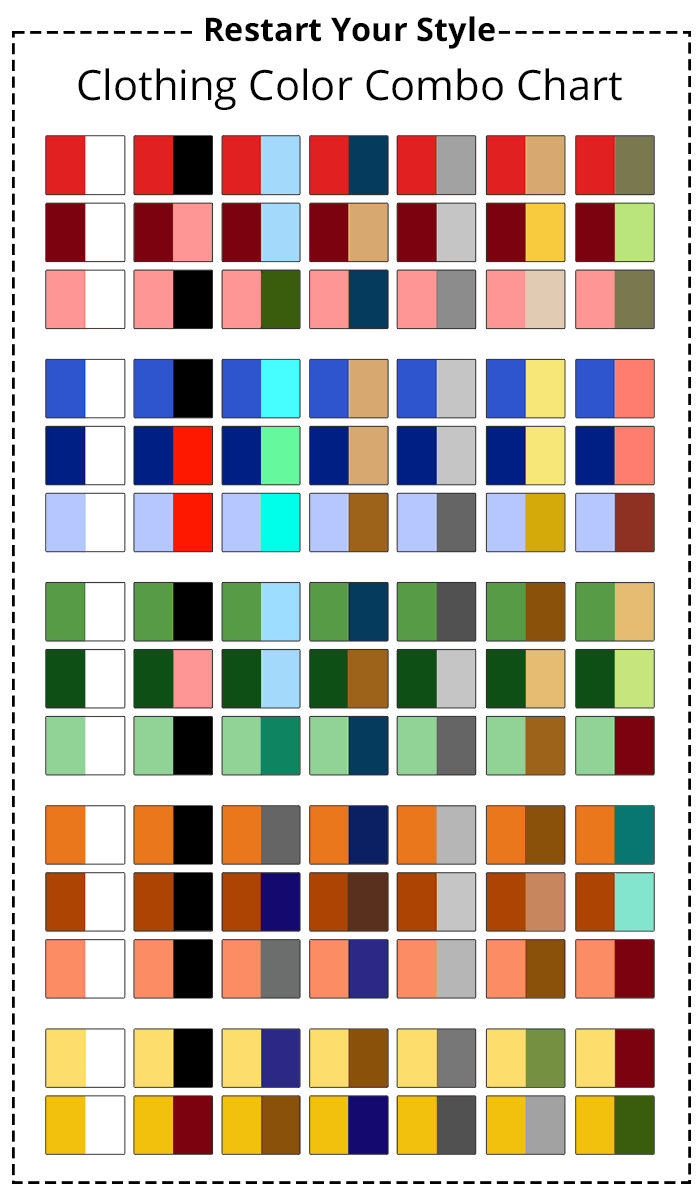
Blue and white create a fresh, clean look. This combination works for casual and formal wear. Navy with beige offers a classic and elegant feel. Black and gray pair well for a modern, sleek style. Red and navy bring energy without being too loud. Earth tones like olive green and brown give a natural, warm vibe. Soft pastels such as pink and light gray look gentle and calm. These pairings suit many skin tones and occasions.
Avoiding Clashing Colors
Colors clash when they fight for attention. Bright red with bright green can look harsh. Orange and purple often do not blend well together. Avoid mixing many bright colors in one outfit. Limit bold colors to one or two pieces. Use neutral colors like black, white, or gray to balance bright shades. Test colors in natural light to see how they truly match. Simple color choices prevent an outfit from looking messy.

Credit: www.reddit.com
Credit: www.reddit.com
Frequently Asked Questions
What Is The 3 3 3 Rule For Clothing?
The 3 3 3 rule for clothing means owning three tops, three bottoms, and three pairs of shoes. This mix-and-match method simplifies outfit choices and saves space. It encourages versatile, creative dressing with fewer pieces. Ideal for travel and reducing wardrobe clutter.
How To Choose Matching Colors For Clothes?
Use a color wheel to pair analogous colors for harmony or complementary colors for contrast. Apply the three-color rule with neutrals and one accent. Mix warm or cool tones and ground outfits with neutrals like black, white, or beige for balanced, stylish looks.
What Is The 3 Color Rule Outfits?
The 3 color rule outfits combine one or two neutral colors with a third pop color. It creates balanced, stylish looks. Use a color wheel to match analogous or complementary colors for harmony or contrast. This rule simplifies dressing and enhances outfit versatility.
What Is The 70 20 10 Rule For Colors?
The 70 20 10 rule for colors means using 70% of a dominant color, 20% of a secondary color, and 10% of an accent color. This balance creates visually appealing and harmonious designs or outfits.
What Are The Basic Color Combinations For Matching Clothes?
Basic combos include neutral with bright colors, complementary colors, and monochromatic shades.
Conclusion
Color matching clothes becomes easier with simple rules and practice. Start with basic colors and add variety slowly. Use the color wheel to find pairs that look good together. Stick to neutral tones for a safe and stylish base. Don’t forget to mix textures and patterns for interest.
Over time, your confidence in choosing outfits will grow. Dressing well helps you feel comfortable and ready each day. Keep experimenting and enjoy the process of creating your own style.