
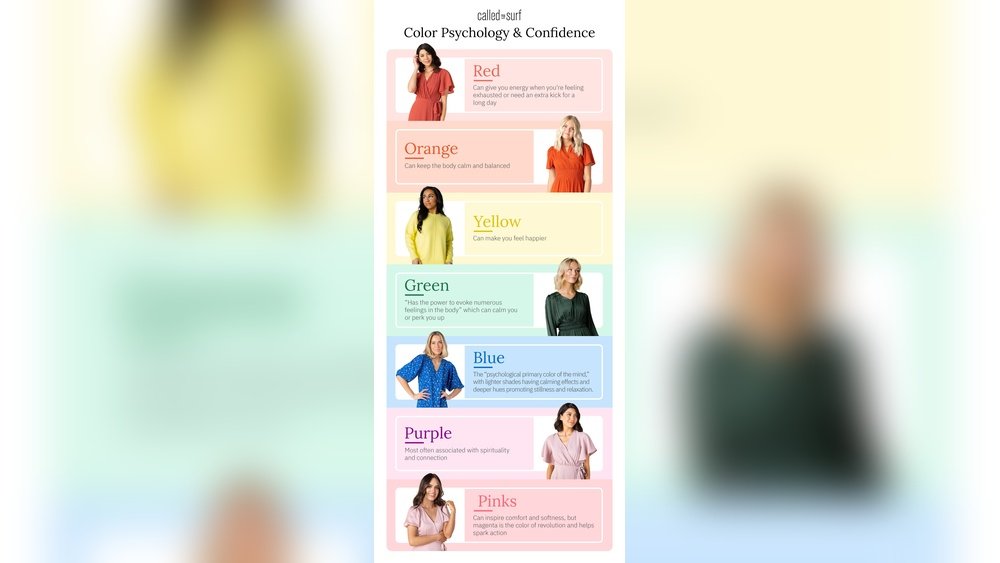
Have you ever wondered why you feel more confident in a red dress or calmer in a blue shirt? The secret lies in color psychology—a powerful tool that fashion uses to speak without words.
The colors you choose to wear don’t just shape how others see you; they also influence your mood, energy, and even how you perform in daily situations. Whether you want to impress in an interview, express creativity, or simply boost your own spirits, understanding color psychology can transform your wardrobe into a personal power source.
Ready to discover how the right hues can elevate your style and mindset? Keep reading to unlock the fascinating connection between color and fashion—and learn how to make every outfit work for you.
Color Impact On Emotions
Colors in fashion have a powerful effect on emotions. They can change how you feel and how others see you. Choosing the right color can improve your mood and confidence. Colors send silent messages without words. Understanding these messages helps you dress to express or influence emotions.
How Colors Influence Mood
Colors affect the brain and body. Warm colors like red and orange create energy and excitement. Cool colors like blue and green bring calm and peace. Bright colors lift spirits and increase happiness. Dark colors may feel serious or sad. The right color can set the tone for your day.
Boosting Confidence With Color
Wearing certain colors can make you feel stronger. Red is linked to passion and power. Black shows elegance and authority. These colors can help you feel more confident in meetings or events. They make a bold statement without saying a word. Dressing with confidence changes how you act and how others react.
Colors That Calm And Relax
Soft blues and greens help reduce stress. These colors remind us of nature and water. Light shades create a peaceful feeling. Wearing calming colors helps lower anxiety and improve focus. They are perfect for busy days or stressful situations. Calm colors make you feel grounded and balanced.

Credit: dishafashioninstitute.com
Meaning Behind Key Colors
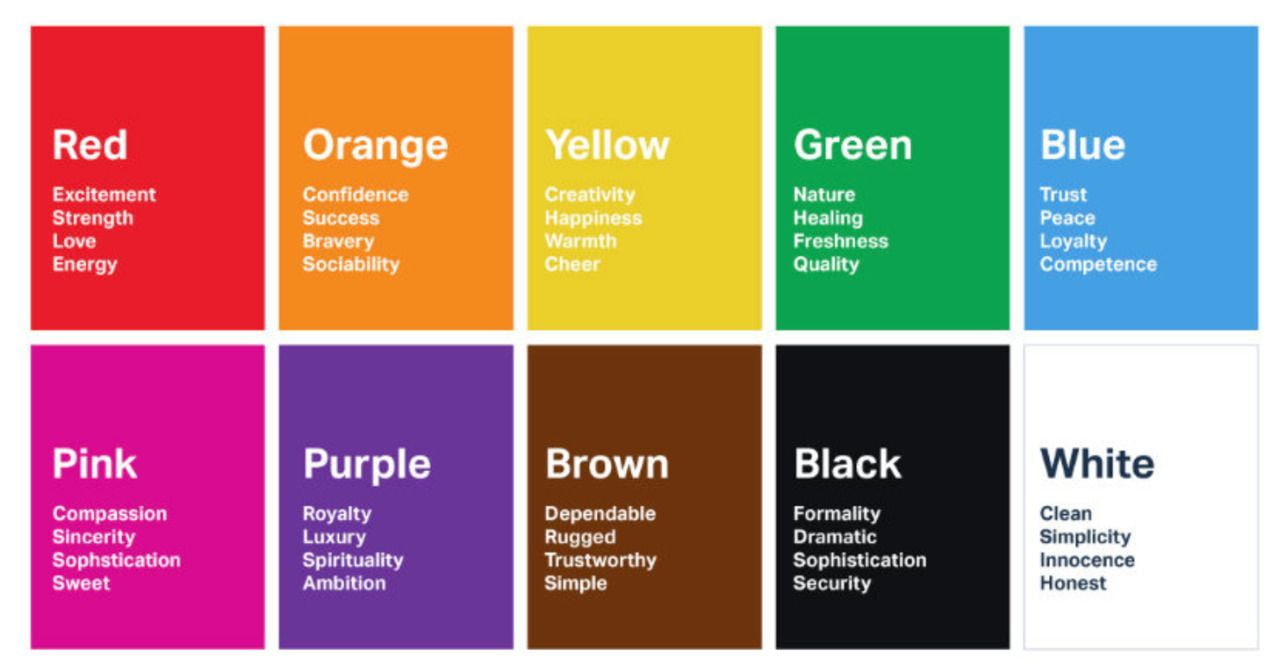
Colors in fashion speak louder than words. They influence how others see us and how we feel inside. Each color carries a special meaning. Choosing the right color can change your mood and boost your confidence.
Understanding these meanings helps you pick clothes that express your true self. Here are key colors and what they represent in fashion.
Red For Passion And Power
Red grabs attention. It shows passion, strength, and boldness. People see red as a confident, energetic color. Wearing red can make you feel more powerful and excited. It works well for important events or moments when you want to stand out.
Blue’s Calm And Trust
Blue creates a calm feeling. It is linked to trust and reliability. Dark blue looks professional and serious. Light blue feels friendly and relaxed. Blue is a great choice for work or interviews. It helps you seem honest and peaceful.
Green’s Harmony And Growth
Green symbolizes nature and balance. It shows harmony, growth, and health. People find green soothing and fresh. Wearing green suggests you are calm and steady. It is perfect for casual days or times you want to feel grounded.
Yellow’s Energy And Creativity
Yellow shines with energy and joy. It sparks creativity and optimism. Yellow draws the eye and lifts the mood. It suits playful, fun occasions. Wearing yellow can make you feel happier and more open to new ideas.
Black’s Elegance And Authority
Black stands for elegance and power. It feels formal and strong. Black clothes show authority and style. People often wear black to look professional and serious. It suits almost any occasion, from business to evening events.
White’s Purity And Simplicity
White means purity and simplicity. It gives a clean, fresh look. White can feel modern and minimalist. Wearing white shows you like neatness and order. It works well in warm weather or for a soft, calm style.
Purple’s Luxury And Imagination
Purple links to luxury and creativity. It feels rich and unique. Purple colors suggest imagination and individuality. People use purple to stand out with elegance. Wearing purple can boost feelings of confidence and mystery.
Color Choices For Different Settings
Choosing the right colors for different settings affects how others see you and how you feel. Colors send silent messages about your mood, confidence, and personality. Matching colors to occasions helps make strong impressions and supports your goals. Below are key tips for selecting colors in various environments.
Dressing For Interviews And Business
Dark blue and gray show professionalism and trust. These colors make you appear calm and reliable. Black signals power but can feel too strong if overused. White adds a clean, neat touch to your outfit. Avoid overly bright colors that distract or seem unprofessional. Simple, solid colors work best for interviews and formal meetings.
Colors For Creative Roles
Creative jobs allow more freedom with colors. Purple suggests imagination and originality. Green feels fresh and balanced, good for open-minded roles. Yellow stands out and shows energy and optimism. Combining these colors reflects a unique, friendly personality. Choose shades that feel natural but express creativity clearly.
Socializing With Vibrant Hues
Bright reds and yellows attract attention and invite conversation. These colors create a lively, positive vibe. Wearing vibrant hues helps you stand out in social settings. They make you seem approachable and fun. Balance bright colors with neutral tones to avoid overwhelming your look.
Managing Mood Through Clothing
Colors can lift or calm your mood throughout the day. Blue tones reduce stress and promote focus. Warm colors like red and orange boost energy and confidence. Soft pastels ease anxiety and bring comfort. Pick your outfit’s colors based on how you want to feel or act. Use clothing to support your emotional well-being easily.
Credit: www.printful.com
Cultural And Personal Color Context
Colors in fashion carry meaning beyond style. They reflect culture and personal taste. Understanding this helps you choose outfits that express who you are. Color meanings change with background and experience. This section explores how culture and personality shape color choices in fashion.
Cultural Color Traditions
Colors hold special meanings in different cultures. Red may mean luck in China but danger in the West. White symbolizes purity in some countries and mourning in others. Cultural traditions influence which colors are worn for festivals, weddings, or daily life. These traditions shape fashion choices and color symbolism worldwide.
Context And Color Perception
Color perception depends on context. Light, setting, and surroundings affect how colors look. A bright yellow shirt feels cheerful in sunlight but harsh indoors. Colors can change mood based on where you wear them. Understanding context helps pick colors that suit occasions and settings better.
Personal Style And Color Preferences
Personal style influences color choices strongly. Some prefer bold, bright colors to stand out. Others choose soft, neutral tones for calmness. Life experiences and personality shape these preferences. Clothes become a form of self-expression through color. Finding your favorite colors boosts confidence and comfort in fashion.
Applying Color Psychology In Fashion
Applying color psychology in fashion helps you communicate without words. Colors in clothing send clear signals about mood, style, and personality. Choosing the right colors can shape how others see you. It can also boost your own confidence and feelings.
Understanding color meanings allows better control over your fashion choices. Each color creates a different emotional effect. This knowledge makes your wardrobe more powerful and expressive.
Selecting Colors To Express Personality
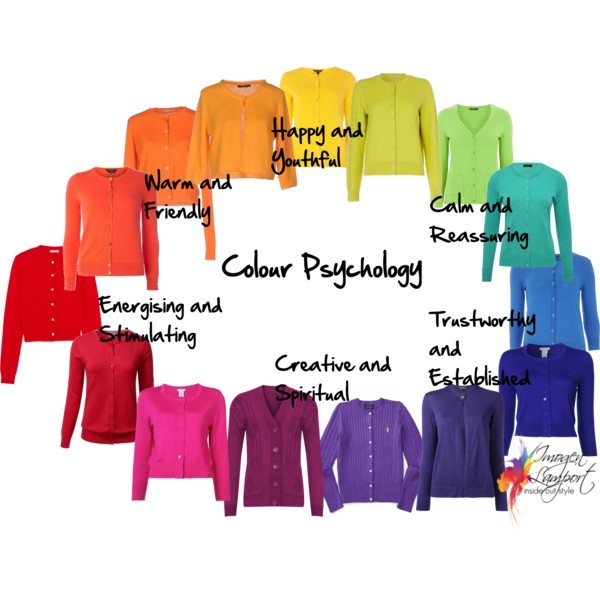
Colors reveal traits and moods. Red shows energy and boldness. Blue reflects calm and trust. Yellow stands for creativity and joy. Pick colors that match your inner self. This helps you feel authentic and confident in your clothes. Your outfit becomes a reflection of who you are.
Using Color To Influence First Impressions
First impressions form quickly and rely heavily on color. Dark blue or gray suggests professionalism and seriousness. Bright colors like red or orange attract attention and excitement. Soft colors like pastels give a friendly and approachable vibe. Choose colors that create the impression you want at work or social events.
Combining Colors For Style Impact
Mixing colors can create harmony or contrast. Complementary colors, such as blue and orange, make outfits pop. Monochromatic schemes with different shades of one color offer a sleek look. Balance bright colors with neutrals to avoid overwhelm. Thoughtful color combinations enhance your style and make a strong visual statement.
Credit: insideoutstyleblog.com
Color Psychology In Fashion Branding
Color psychology plays a vital role in fashion branding. Brands use color to express their identity and connect with customers. The choice of color can influence how people feel about a brand and affect buying decisions. Understanding these effects helps brands create a strong and memorable image.
Building Brand Identity With Color
Colors help brands stand out and be recognizable. A consistent color palette forms the visual foundation of a brand. For example, red often signals energy and passion, making it a popular choice for bold brands. Blue suggests trust and calm, fitting for professional or corporate brands. Choosing the right colors builds an emotional link with the audience. This link shapes how people remember and feel about the brand.
Color Trends And Consumer Behavior
Fashion colors follow trends that change with seasons and culture. Consumers react differently to colors depending on trends and moods. Bright colors may attract attention during summer, while muted tones suit fall collections. Brands track these trends to keep their designs fresh and appealing. Understanding consumer preferences helps brands stay relevant and boost sales. Colors must balance current trends with the brand’s core identity.
Designing With Emotional Impact
Colors evoke feelings and moods that influence shopping choices. Warm colors like red and orange create excitement and urgency. Cool colors such as blue and green offer calmness and trust. Designers use these effects to guide customer emotions. The right color can make products feel luxurious, fun, or reliable. Emotional impact enhances the overall brand experience and encourages loyalty.
Frequently Asked Questions
What Is Color Psychology In Fashion?
Color psychology in fashion studies how clothing colors influence emotions, behaviors, and social perceptions. It helps individuals communicate non-verbally and affects mood, confidence, and style choices.
How Do Colors Affect Mood In Fashion?
Colors can boost or calm moods; for example, red increases confidence, blue induces calm, and yellow sparks creativity. Wearing certain colors can improve personal feelings and social interactions.
Which Colors Convey Professionalism In Clothing?
Darker blues and greys suggest competence, reliability, and authority. These colors are ideal for interviews and business settings, projecting confidence and trustworthiness.
How Does Culture Influence Color Meaning In Fashion?
Color meanings vary by culture; white symbolizes purity in the West, while red represents luck in India and China. Cultural context shapes how colors are perceived and used in clothing.
Conclusion
Color psychology shapes how others see you and how you feel. Choosing the right colors can boost confidence and express mood. Each color sends a clear message without words. Understanding this helps you dress with purpose and style. Keep experimenting with colors to find what suits you best.
Your clothes can speak louder than words.