Persona Outfit

How to Build a Capsule Wardrobe from Scratch: Ultimate Style Guide

How to Build a Capsule Wardrobe from Scratch

Are you tired of staring at a closet full of clothes but feeling like you have nothing to wear? Building a capsule wardrobe from scratch can be the game-changer you need. Imagine having a collection of versatile, high-quality pieces that mix and match effortlessly, saving you time, money, and stress every day. In this guide, you’ll learn exactly how to create a wardrobe that fits your lifestyle and personal style perfectly. Ready to simplify your mornings and look great with less? Let’s dive in and start building your ideal capsule wardrobe today. Lifestyle Assessment Building a capsule wardrobe starts with understanding your lifestyle. This step helps you choose clothes that fit your daily needs and keep your wardrobe simple and practical. Knowing how you spend your time guides your choices and saves money. Assessing your lifestyle means looking closely at your habits, work, and environment. Each factor shapes the type of clothes you should include. This part is key to making your wardrobe useful and easy to manage. Daily Activities Think about what you do every day. Do you walk a lot, sit at a desk, or meet people often? Choose clothes that match these actions. Comfortable shoes and breathable fabrics suit active days. For more relaxed days, casual wear might work best. Your daily routine shapes your wardrobe’s foundation. Work And Leisure Needs Consider your job dress code. Formal work needs tailored pieces like blazers and dress pants. Creative jobs might allow casual or trendy clothes. Leisure time is important too. Include clothes for hobbies, outings, or sports. Balance work and play with versatile pieces that fit both worlds. Climate Considerations Weather affects your clothing choices a lot. In hot climates, lightweight and light-colored clothes keep you cool. Cold areas need warm layers like sweaters and coats. Rainy places call for waterproof items. Think about seasons and temperature changes. Choose fabrics and styles that suit your environment well. Style Identification Style identification is the first step in building a capsule wardrobe. It helps you choose clothes that truly reflect who you are. Knowing your style saves time and money. It also makes dressing easier and more enjoyable. Favorite Clothing Patterns Patterns express personality without words. Some prefer stripes or polka dots for a playful look. Others like florals or checks for a classic feel. Choose patterns that make you feel confident and happy. Limit the number of patterns to keep outfits versatile. Preferred Colors And Fabrics Colors impact mood and outfit coordination. Pick colors that suit your skin tone and are easy to mix. Neutrals like black, white, and gray work well for most. Add a few bold colors for interest. Fabrics should match your lifestyle. Cotton is breathable, wool keeps you warm, and linen feels light. Fit And Comfort Preferences Fit affects both appearance and comfort. Know your body shape to find flattering cuts. Tight clothes may look sharp but can be uncomfortable. Loose fits offer ease but can seem messy. Find a balance that feels good and looks polished. Comfort boosts confidence every day. Color Palette Selection Choosing the right color palette is key to building a capsule wardrobe. Colors set the tone for your outfits. They help you mix and match easily. A well-chosen palette keeps your wardrobe simple yet versatile. Focus on colors that suit your style and lifestyle. Avoid colors that clash or rarely get worn. Think about your skin tone and preferences. This step lays the foundation for a cohesive wardrobe. Core Neutral Colors Neutral colors form the base of your capsule wardrobe. They pair well with almost any color. Common neutrals include black, white, gray, navy, and beige. Choose two or three neutrals that match your style. These colors are timeless and easy to layer. Neutrals help create clean, polished looks. They also make outfit planning faster and simpler. Accent Shades Accent shades add personality to your wardrobe. Pick one or two colors that you enjoy wearing. These could be soft pastels or bold tones. Accent colors bring energy and interest to your outfits. They work well in tops, scarves, or accessories. Use accents to break the monotony of neutral pieces. Keep accents limited to maintain balance and ease. Seasonal Variations Adjust your color palette for each season. Spring and summer favor lighter, brighter hues. Think light blues, soft pinks, and fresh greens. Fall and winter suit deeper, richer tones like burgundy, olive, and mustard. Seasonal colors keep your wardrobe feeling fresh. Swap accent pieces rather than core neutrals. This approach keeps your capsule flexible year-round. Credit: www.theviviennefiles.com Wardrobe Audit Starting a capsule wardrobe requires a clear view of your current clothes. A wardrobe audit helps you see what you own. This step is essential before choosing new items. It saves money and space. It also makes dressing easier every day. Decluttering Process Take out all your clothes from closets and drawers. Look at each piece closely. Ask yourself if you wear it often. Also, consider if it fits well and feels comfortable. Remove items that are damaged or no longer suit your style. Be honest with yourself to avoid keeping unnecessary clothes. Sorting Items Group your clothes into categories: keep, donate, and recycle. Keep only versatile and good condition items. Donate clothes that are wearable but unwanted. Recycle worn-out items responsibly. Organize the keep pile by type, color, or season. This makes it easier to plan your capsule wardrobe. Identifying Gaps Look at the clothes you decided to keep. Notice if any essential items are missing. Essentials include basics like plain t-shirts, neutral pants, or a simple jacket. Write down pieces you need to complete your wardrobe. Focus on versatile items that mix and match well. This list guides your future shopping. Essential Items List Creating a capsule wardrobe starts with a clear list of essential items. These pieces form the base of your wardrobe. They mix and match easily. Choose items that suit your style and daily needs. Focus on quality and versatility for long-term use. Versatile Tops Select … Read more

Winter Layering Tips for a Polished Look: We’ve tried in 2025

Winter Layering Tips for a Polished Look

Winter can be tricky when it comes to fashion. You want to stay warm without looking bulky or sloppy. But what if you could master the art of layering to create a polished, stylish look every time you step outside? Imagine feeling confident in your outfit, no matter how cold it gets. This guide will show you simple, effective winter layering tips that keep you cozy and sharp. Ready to transform your winter wardrobe? Keep reading to discover how to layer like a pro and turn chilly days into your best-dressed moments. Three-layer System The three-layer system is the key to dressing smart for winter. It keeps you warm, dry, and comfortable all day. This system uses three layers: a base layer, a middle layer, and an outer layer. Each layer has a special job. You can add or remove layers easily to match the weather or your activity. Base Layer Choices The base layer sits next to your skin. Its job is to wick sweat away. Staying dry is very important for warmth. Choose a thin, tight-fitting shirt or long underwear. Materials like synthetic fabric or wool work best. Avoid cotton because it holds moisture and makes you cold. Middle Layer Options The middle layer traps your body heat. It acts like a blanket to keep you warm. Good choices include fleece jackets, down vests, or thick sweaters. Pick something soft and insulating. This layer can be thicker or thinner depending on how cold it is. Outer Layer Protection The outer layer protects you from wind, rain, and snow. It stops cold air and moisture from getting in. Look for waterproof and windproof jackets. A hardshell jacket is best for heavy rain or snow. Softshell jackets breathe better and work well in lighter weather. This layer should fit over the other two comfortably. Credit: travelista.com Fabric Selection Selecting the right fabrics plays a key role in achieving a polished winter look. Fabrics affect comfort, warmth, and style all at once. Choosing materials that suit each layer keeps you dry, warm, and sharp throughout the day. Each layer has a purpose. The base layer moves moisture away from your skin. The middle layer traps heat. The outer layer blocks wind and rain. Knowing which fabrics work best helps you dress smart and look refined. Moisture-wicking Materials Start with moisture-wicking fabrics next to your skin. These fabrics pull sweat away and dry fast. Synthetic fibers like polyester and nylon perform well. Merino wool is natural and soft, also excellent at moisture control. These materials keep you dry and prevent chills. Avoid cotton, which holds moisture and cools you down. A fitted, long-sleeve shirt made from these fabrics forms a smooth base. Insulating Fabrics The middle layer traps your body heat. Wool is a classic choice for warmth and breathability. Fleece is lightweight and soft, perfect for layering under a jacket. Down offers strong insulation but adds bulk. Choose fabrics that add warmth without too much weight. This helps maintain a sleek, polished silhouette. Look for sweaters or jackets that feel cozy but not heavy. Waterproof And Windproof Textiles The outer layer shields from wind, rain, and snow. Waterproof fabrics like Gore-Tex keep you dry in wet weather. Windproof materials block cold gusts while allowing breathability. Hard shells protect in heavy rain or snow. Softshells offer comfort and flexibility on milder days. Pick outerwear that fits well and completes your stylish winter outfit. Avoiding Bulk Winter layering can easily lead to a bulky look. Too many thick pieces create an unflattering shape. Avoiding bulk keeps your outfit sharp and comfortable. Choose pieces that fit well and add warmth without extra weight. Smart layering means staying warm while looking polished. Slim Fit Layers Select base and middle layers that fit close to the body. Slim fits reduce extra fabric bunching under outerwear. Thin, stretchy materials work well for slim layers. They trap heat without adding volume. Avoid oversized sweaters or loose tops under jackets. Lightweight Insulation Use lightweight insulated pieces like thin fleece or down vests. These provide warmth but remain thin and flexible. Lightweight insulation keeps your silhouette neat. Thicker jackets can be too heavy and bulky. Layering lightweight items lets you adjust warmth easily. Tailored Outerwear Choose outerwear with a tailored cut to enhance your shape. Structured jackets and coats avoid a boxy look. Look for designs that follow your body lines. Tailored outerwear balances warmth and style. It completes your polished winter look without adding bulk. Mixing Textures And Colors Mixing textures and colors creates depth and style in your winter layers. It breaks the monotony and makes your outfit stand out. Thoughtful combinations bring a polished, sophisticated look without much effort. Combining Fabrics Mix soft and rough fabrics for a balanced outfit. Pair wool sweaters with leather jackets or silk scarves with knit hats. Different textures catch the eye and add dimension. Avoid using only one fabric type to keep your look fresh. Coordinating Color Palettes Choose colors that complement each other well. Stick to two or three main colors for harmony. Earth tones like browns and greens work well with winter. Add pops of color with accessories to brighten the outfit. Keep it simple to avoid clashing shades. Adding Visual Interest Layer pieces with patterns and solid colors for contrast. Stripes, plaids, or subtle prints can add flair. Use texture and color to guide the eye smoothly. Small details like buttons or stitching also enhance visual appeal. These touches make your winter look polished and intentional. Versatile Wardrobe Staples Building a winter wardrobe with versatile staples helps create polished looks. These pieces layer easily and mix well. They save time and keep outfits neat. Choosing the right staples means you stay warm without bulk. Quality basics offer comfort and style throughout the season. Essential Tops Start with fitted base layers that wick moisture. Thin wool or synthetic long-sleeve shirts work well. Add insulating sweaters in neutral colors for warmth. Turtlenecks or crewnecks are classic and easy to … Read more

Summer Outfit Ideas for Women That Are Actually Comfortable in 2025

Summer Outfit Ideas for Women That Are Actually Comfortable: Effortless Chic

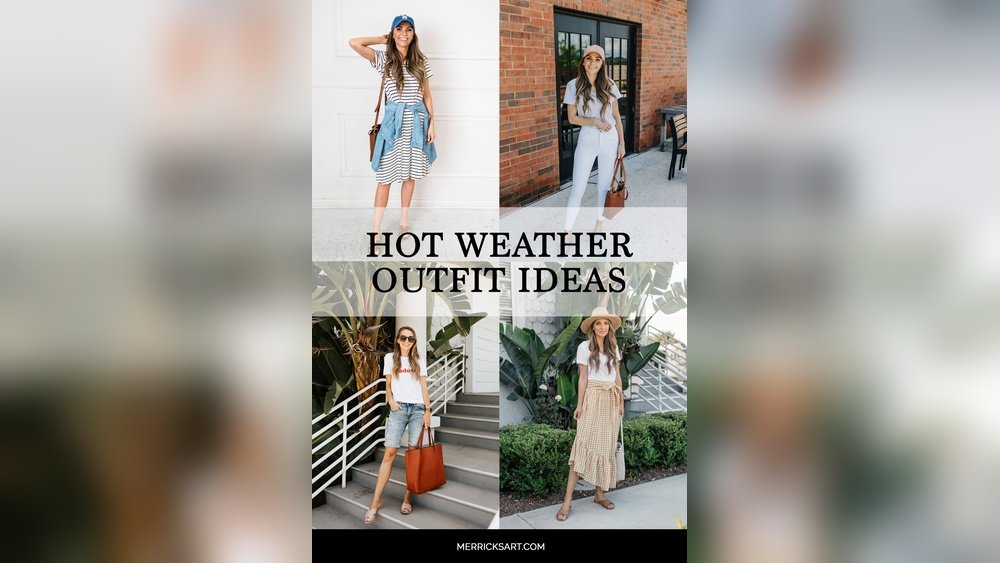
Summer is here, and you want to look great without feeling stuck in heavy, itchy clothes. But finding outfits that are both stylish and truly comfortable can be tricky. What if you could wear clothes that keep you cool, let your skin breathe, and still make you feel confident? In this post, you’ll discover summer outfit ideas for women that are not only fashionable but also incredibly comfortable. Say goodbye to sweaty, uncomfortable days and hello to effortless style that moves with you. Ready to upgrade your summer wardrobe without sacrificing comfort? Let’s dive in! Credit: www.merricksart.com Comfortable Fabrics Choosing the right fabric makes summer outfits both stylish and comfortable. Fabrics that breathe well keep you cool under the sun. Soft materials prevent skin irritation and allow easy movement. Below are some top fabric choices for comfortable summer wear. Cotton And Linen Cotton is a natural fiber known for its softness and breathability. It absorbs sweat, making it perfect for hot days. Linen is lightweight and has a unique texture that allows air to flow freely. Both fabrics feel fresh on the skin and dry quickly. Outfits made from cotton or linen offer a relaxed, airy fit ideal for summer. Breathable Jersey And Chambray Jersey fabric stretches and moves with the body, offering great comfort. It is lightweight and allows heat to escape easily. Chambray looks like denim but is much lighter and softer. It provides a casual yet polished look. These fabrics are perfect for casual tops and dresses that keep you cool all day. Lightweight Rayon And Lycra Rayon is smooth and drapes beautifully on the body. It feels cool against the skin and has good moisture absorption. Lycra adds stretch to fabrics, enhancing comfort and fit. Combining rayon with lycra creates clothing that moves easily and breathes well. These fabrics suit flowy skirts and fitted tops for summer comfort. Capsule Wardrobe Essentials Building a capsule wardrobe is a smart way to stay comfortable and stylish in summer. It means having a small collection of essential clothes. Each piece should work well with others. This approach saves time and reduces stress when choosing outfits. Comfort comes first, so select breathable fabrics like cotton or linen. Focus on simplicity and ease of wear. A well-planned capsule wardrobe keeps your summer looks fresh and effortless. Choosing Neutral Colors Neutral colors create a strong foundation for your wardrobe. Shades like white, black, navy, gray, and olive match easily. These colors look good on everyone. Neutrals help you mix and match without much effort. They also hide sweat marks better than bright colors. Neutral pieces can be dressed up or down. This makes them perfect for both casual and formal summer days. Mixing Tops And Bottoms Select tops and bottoms that combine well in many ways. For example, a white t-shirt pairs nicely with navy shorts or a gray skirt. Choose simple designs without too many patterns. This allows more outfit options. Lightweight fabrics keep you cool and comfortable. Having three tops and three bottoms lets you create nine different looks. This variety keeps your style fresh without extra clothes. Selecting Versatile Shoes Pick shoes that match most outfits and feel good on your feet. Comfortable sandals, white sneakers, and slip-on flats are great choices. Sandals work well for hot days and casual events. Sneakers add a sporty touch and support your feet. Slip-on flats offer a polished look for dinners or work. These shoe types cover many activities and styles during summer. Effortless Outfit Combos Summer calls for outfits that feel light and easy. Effortless outfit combos make dressing simple and stylish. These looks keep you cool and comfortable all day. Mix and match basic pieces for quick, fresh styles. Focus on breathable fabrics like cotton and linen for the best comfort. Try combining simple items to create looks that suit many occasions. The goal is to look good without spending much time or effort. These outfit combos work well for casual days, smart outings, and even dressier events. Casual Looks With Tees And Shorts A plain tee paired with shorts is a summer staple. Choose soft cotton tees in light colors to stay cool. Denim or linen shorts add texture and comfort. Slip on sandals or sneakers to complete the look. Add a simple necklace or sunglasses for a bit of style. This combo suits walks in the park, errands, or casual lunches. It feels relaxed yet put together. Rolling the sleeves or half-tucking the tee adds a trendy touch. Smart-casual Button-down Styles Button-down shirts offer a polished but easy vibe. Lightweight linen or chambray shirts work best for summer. Pair them with tailored shorts or cropped pants. Leave the shirt untucked or tie it at the waist for a modern look. Choose neutral or soft pastel colors for versatility. Add loafers or simple flats to keep it smart but comfy. This outfit is great for casual office days or outdoor gatherings. Dressy Blouse Pairings Flowy blouses bring a feminine and breezy feel. Pick blouses with light fabrics like rayon or chiffon. Pair them with high-waisted shorts or a midi skirt. Keep footwear simple with sandals or low heels. Add delicate jewelry to enhance the outfit without bulk. These pairings are perfect for summer dinners or weekend brunches. The key is balancing dressy elements with breathable fabrics. Credit: busbeestyle.com Layering And Accessories Layering and accessories transform simple summer outfits into stylish and comfortable looks. They add interest without causing overheating. Choose lightweight layers and smart accessories to stay cool and chic. Light Cardigans And Scarves Light cardigans offer a breathable layer for cooler evenings. Choose cotton or linen fabrics to keep air flowing. Scarves in thin materials add style and slight warmth. They also protect skin from sun without bulk. Belts To Define Your Waist Belts create shape and structure in loose summer clothes. A slim belt works well with dresses and flowy tops. It highlights your waist without adding heat. Choose neutral colors for easy matching. Statement Jewelry … Read more

15 Casual Outfit Ideas for Women: Chic Looks to Try Today

15 Casual Outfit Ideas for Women

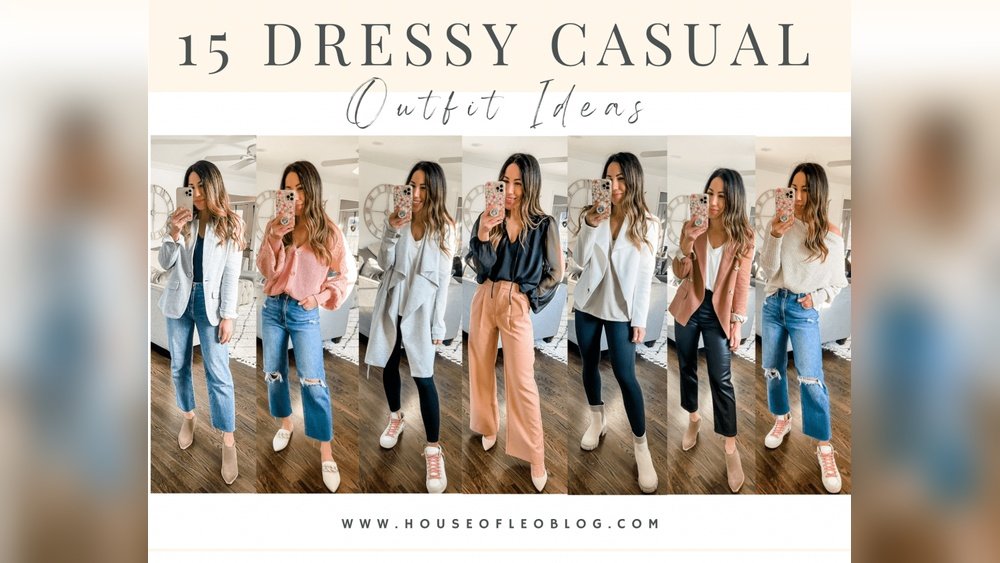
Looking for fresh and easy ways to upgrade your everyday style? You’re in the right place. Whether you want to feel confident running errands, meeting friends, or just relaxing, the right casual outfit can make all the difference. Imagine having a go-to list of 15 simple, stylish ideas that fit your lifestyle perfectly—no stress, just effortless looks that make you shine. Keep reading, because these outfit ideas will transform your wardrobe and make dressing up (or down) something you actually look forward to every day. Credit: www.youtube.com Casual Tops Casual tops are the foundation of comfortable yet stylish outfits. They blend ease with a touch of polish. Choosing the right top can transform simple jeans or skirts into chic ensembles. Versatile tops suit many occasions, from errands to casual meetings. Focus on pieces that look good alone or layered. Blouses Blouses bring a refined feel to casual wear. Fabrics like silk and chiffon add softness and shine. Loose fits offer comfort without sacrificing style. Light colors or subtle prints brighten any outfit. Pair blouses with jeans or tailored pants for a balanced look. Sweaters Sweaters are cozy and stylish all at once. Fine-knit or cardigan styles work well for layering. Choose neutral shades for easy matching. Chunky knits add texture and warmth during colder months. Sweaters pair nicely with skirts or casual trousers. Button-down Shirts Button-down shirts remain a casual classic. Crisp cotton or linen fabrics feel fresh and breathable. Soft pastels or classic white suit many looks. Roll up sleeves for a relaxed vibe. Tuck shirts into jeans or leave them loose for variety. Elevated T-shirts Elevated t-shirts offer simplicity with a polished touch. Look for high-quality fabrics and good fit. Solid colors or minimal designs keep outfits neat. Layer under blazers or pair with skirts for a smarter style. These tees balance comfort and sophistication well. Bottom Options Choosing the right bottoms is key to creating stylish casual outfits for women. The bottom piece sets the tone and comfort level for the entire look. Versatile options work well for many occasions, from relaxed weekends to casual workdays. This section explores different bottom styles that combine style and ease. Tailored Trousers Tailored trousers offer a polished yet comfortable look. They fit well and create a sleek silhouette. Pair them with a blouse or a simple tee for a refined casual style. Neutral colors like black, beige, or navy make them easy to match. These trousers transition smoothly from day to evening events. Dark Wash Jeans Dark wash jeans are a wardrobe staple for casual outfits. They look neat and can be dressed up or down. Choose a slim or straight cut for a modern vibe. These jeans pair nicely with sweaters, shirts, or casual blazers. Dark denim provides a cleaner, more put-together appearance than lighter washes. Skirts Skirts add femininity and variety to casual looks. A-line or pencil skirts in simple fabrics work well for everyday wear. Pair skirts with knit tops or casual blouses. Midi lengths offer a balanced mix of style and comfort. Skirts in solid colors or subtle patterns create easy outfit options. Chinos And Khakis Chinos and khakis bring a relaxed yet smart feel to casual wear. Their soft fabric and neutral tones make them comfortable and versatile. These bottoms work well with t-shirts and lightweight sweaters. They fit comfortably for all-day wear and suit many casual settings. Chinos are ideal for a laid-back but neat appearance. Dresses And Outerwear Dresses and outerwear create a strong foundation for casual outfits. They offer comfort and style in one look. Choosing the right dress or jacket can make a simple outfit stand out. These pieces work well alone or layered for different weather and occasions. Midi And Wrap Dresses Midi dresses fall below the knee and suit many body types. They offer a balanced look that feels relaxed yet neat. Wrap dresses adjust to your shape and highlight your waist. Both styles pair well with flats or low heels. Choose solid colors or subtle prints for easy mixing. These dresses work for casual days and small outings. Their versatility makes them wardrobe essentials. Blazers And Jackets Blazers add a sharp touch to casual outfits. They fit well over t-shirts, blouses, or dresses. A classic blazer in neutral tones matches many looks. Jackets like denim or leather bring a cool edge. They provide warmth and style without effort. Layer a blazer or jacket over simple tops and jeans. These pieces create smart and casual outfits in seconds. Shoe Styles Shoe styles play a crucial role in shaping casual outfits for women. The right pair can enhance comfort and boost confidence. Shoes also tie the entire look together. Choosing the right style depends on the occasion, outfit, and personal taste. Here are some popular shoe options to consider for casual wear. Flats Flats are perfect for comfort and style. They come in many designs like ballet flats, loafers, and moccasins. Flats match well with jeans, skirts, and dresses. They provide ease for daily activities and long walks. Choose neutral colors for versatility. Embellished or patterned flats add a fun twist to outfits. Heels Heels add a touch of elegance to casual looks. Low block heels or kitten heels offer comfort and style. Pair them with dresses, skirts, or tailored pants for a polished feel. Heels can elevate simple outfits like jeans and a blouse. Opt for classic shades such as black, nude, or brown for easy matching. Boots And Sneakers Boots bring a trendy edge to casual wear. Ankle boots suit almost every outfit, from dresses to jeans. Choose suede or leather for a chic look. Sneakers blend comfort with a sporty vibe. White sneakers are a timeless choice for casual and smart-casual styles. Both boots and sneakers work well year-round and add personality to your wardrobe. Accessory Ideas Accessories complete casual outfits with style and personality. They add interest and elevate simple looks. Choosing the right accessories can make casual wear feel fresh and unique. Simple jewelry, … Read more

How to Style the Same Outfit for Multiple Occasions: We have tried (2025)

How to Style the Same Outfit for Multiple Occasions

You have an outfit you love, but you’re not sure how to wear it beyond just one event. What if you could turn that single look into a versatile style that fits work meetings, casual hangouts, and even date nights? Imagine saving time, money, and stress by mastering the art of styling the same outfit for multiple occasions. In this guide, you’ll discover simple yet powerful tips to refresh your favorite pieces, mix and match like a pro, and feel confident no matter where you go. Ready to unlock your wardrobe’s hidden potential? Keep reading and transform the way you dress every day. Credit: dressedformyday.com Choose Versatile Pieces Choosing versatile pieces forms the foundation of styling one outfit for many occasions. Versatile items adapt easily to different settings and moods. They allow creating distinct looks without buying new clothes. Focus on pieces that shift in style with simple changes. This approach saves time, money, and closet space. Keep the wardrobe simple but flexible. Each piece should blend well with others. This strategy makes mixing and matching effortless. It also keeps your style fresh and interesting across events. Select Adaptable Clothing Items Choose clothing that suits casual and formal occasions. A plain button-up shirt works well. Wear it tucked in for formal looks or untucked for casual ones. A blazer can dress up jeans or finish a business outfit. Neutral colors like black, white, or beige increase versatility. These colors pair easily with many other items. Avoid overly trendy pieces that lose style fast. Classic cuts stay relevant longer and fit many settings. Mix Different Materials And Styles Combine fabrics to create contrast and interest. Pair denim with soft cotton or linen for balance. A leather jacket adds edge to a simple dress. Mixing textures makes an outfit look thoughtful. Vary clothing styles to suit occasions. Wear tailored trousers for work and switch to relaxed shorts for weekends. Layering different materials can also change the outfit’s vibe. Use scarves, cardigans, or vests to update looks quickly. This variety keeps one outfit fresh and suitable everywhere. Credit: xtclothes.com Stick To Neutral Colors Neutral colors form the backbone of a versatile wardrobe. They blend easily and create a clean, simple look. Choosing neutrals means you can mix and match without stress. These colors suit many occasions, from casual to formal. They help stretch the life of one outfit across multiple events. Neutrals also make adding bold accessories easier. This approach saves time and money while keeping style fresh. Create A Flexible Base Palette Start with neutral shades like black, white, beige, gray, and navy. These colors work well together and suit all seasons. A flexible base lets you switch up your style quickly. For example, a white shirt and black pants form a classic pair. This base can be dressed up or down with ease. Neutral pieces act as a canvas for your outfit creativity. Add Statement Pieces For Flair Introduce one or two statement items to add interest. Bright scarves, bold jewelry, or colorful shoes can transform your look. These pieces draw attention and express personality. Keep the base neutral so the statement items stand out. Change these accents depending on the occasion. This method refreshes your outfit without buying new clothes. Layer To Transform Looks Layering changes the entire look of one outfit. It adds depth and interest without extra shopping. You can shift from casual to formal just by what you wear over or under your clothes. Layers create options that fit different occasions. They keep your style fresh and versatile. Learning to layer well means using simple pieces in smart ways. Use Base Layers Effectively Base layers are the foundation of your outfit. Choose thin, comfortable tops like t-shirts or tank tops. They work well under sweaters or shirts. Pick neutral colors for easy mixing and matching. A good base layer can be worn alone for casual looks. Add layers on top to dress it up. Base layers should fit well, not too tight or loose. This keeps your outfit neat and tidy. Incorporate Jackets And Cardigans Jackets and cardigans transform your outfit quickly. A blazer adds polish for work or events. A denim jacket makes the same clothes casual and fun. Cardigans offer softness and comfort for relaxed settings. Choose layers in different lengths and textures. This creates visual interest and changes the outfit style. Swap jackets or cardigans to suit the mood and occasion. Layers let you adapt your look without changing the base clothes. Credit: www.amazon.com Accessorize Smartly Accessorizing smartly is key to styling the same outfit for different occasions. Accessories change the look without changing the clothes. They add personality and suit the event’s mood. Small details make a big difference in style. Choose Versatile Accessories Select accessories that work well with many outfits. Neutral colors like black, brown, or metallic tones match easily. Simple jewelry such as stud earrings, thin bracelets, or delicate necklaces fit both casual and formal looks. Scarves in solid colors or subtle patterns add flair without overwhelming the outfit. Avoid pieces that are too flashy or very casual. Versatile accessories save time and keep your style fresh. Change Shoes And Bags To Vary Style Shoes and bags dramatically shift your outfit’s vibe. Swap sneakers for heels or loafers to move from casual to dressy. Choose a structured handbag for professional events and a small clutch for parties. Flats or sandals create a relaxed feel for daytime wear. Changing these items lets you reuse clothes while fitting different occasions. Different shoes and bags create new looks without extra effort. Use A Styling Points System Using a styling points system helps you plan outfits smartly. It assigns values to each clothing item and accessory. This method makes it easy to mix and match for different occasions. You can track how formal or casual your outfit is by adding up the points. Assign Values To Clothing And Accessories Give each item a point value based on style and formality. For example, a … Read more

10 Effortless Everyday Outfit Ideas: Stylish Looks Made Simple

You want to look great every day without spending too much time or effort on your outfits. What if you could create stylish, comfortable looks that work for any occasion — without the stress of overthinking? That’s exactly what you’ll find here. These 10 effortless everyday outfit ideas are designed to make dressing simple, fun, and totally doable. Whether you’re heading to work, running errands, or meeting friends, you’ll discover easy combos that fit your lifestyle and personality. Ready to upgrade your wardrobe and feel confident every day? Keep reading — your new favorite outfits are just a scroll away. Mix And Match Basics Mix and match basics create endless outfit choices with a small wardrobe. This method saves time and reduces stress when dressing. It works by combining a few key pieces in different ways. You can look fresh every day without buying many clothes. Focus on simple, versatile items. These pieces pair well together and fit many occasions. Choose items that feel comfortable and suit your style. The goal is easy, stylish outfits with minimal effort. Choose Versatile Tops Select tops that fit various looks. A plain t-shirt works for casual or layered styles. A button-up shirt adds polish for work or outings. Include a cozy sweater or a nice blouse to mix comfort with style. These tops should match most bottoms for maximum use. Select Different Bottoms Pick bottoms that create new looks with your tops. Jeans are casual and timeless. Trousers offer a smarter, polished feel. Add a skirt or shorts for warm days and variety. These choices cover many settings, from relaxed to formal. Pick Complementary Shoes Shoes change the vibe of your outfit. Choose three types for all needs. Sneakers suit casual days and long walks. Heels or boots lift your style for dressier events. Flats or loafers provide comfort and style for everyday wear. These shoes complete your mix-and-match wardrobe. Credit: www.youtube.com Create Capsule Wardrobes Creating a capsule wardrobe simplifies daily dressing. It means choosing a small number of versatile pieces. These pieces mix and match easily. This approach saves time and reduces stress. You get more outfit options with fewer clothes. Capsule wardrobes help keep your style fresh and organized. Focus on quality over quantity. Choose clothes that fit well and suit your lifestyle. This way, your wardrobe stays useful and stylish all year. Limit Your Pieces Start by selecting a few essential items. For example, pick three tops, three bottoms, and three pairs of shoes. Choose pieces you can wear many ways. A t-shirt, a button-up shirt, and a sweater work well. For bottoms, try jeans, trousers, and a skirt. Pick shoes for casual, dressy, and everyday use. This small collection makes daily dressing easy and fun. Focus On Color Coordination Choose colors that match well together. Stick to a simple palette like neutrals or soft tones. This helps you mix clothes without clashing. For instance, black, white, navy, and beige are great choices. Add one or two accent colors to brighten your look. Coordinated colors make outfits look put-together quickly. It also reduces the need to plan too much. Maximize Outfit Combinations Mix and match your pieces to create new looks. A single top can pair with different bottoms. Change shoes or add accessories for variety. This way, nine items can create many outfits. It keeps your style fresh without buying more clothes. Experiment with layering and accessories for more options. Your capsule wardrobe becomes flexible and fun. Incorporate Statement Accessories Statement accessories transform simple outfits into stylish looks. They add personality and draw attention. A well-chosen accessory brings life to everyday wear. Use bold pieces to create interest without effort. Use Bold Jewelry Choose jewelry that stands out. Chunky necklaces or large earrings add flair. Bright colors or unusual shapes catch the eye. Pair them with plain tops or dresses for balance. Bold jewelry lifts even the simplest outfit. Add Stylish Scarves Scarves offer color and texture. Wrap a printed scarf around your neck or tie it to your bag. Lightweight scarves work well year-round. They add charm and keep your look fresh. Experiment with different knots and styles. Choose Eye-catching Bags A unique bag makes a statement. Pick colors that pop or unusual designs. Structured bags or those with patterns create interest. Carrying a standout bag brightens a basic outfit. It’s an easy way to show style. Credit: www.youtube.com Play With Layers Layering adds depth and style to simple outfits. It keeps looks fresh and practical for changing weather. Playing with layers lets you mix and match pieces easily. You can create many outfits with just a few items. It also adds interest without much effort. Here are some easy ways to play with layers daily. Add Lightweight Jackets Lightweight jackets are great for layering. They add warmth without bulk. Try a denim jacket over a t-shirt for casual style. A bomber jacket works well with dresses or skirts. These jackets are easy to carry and perfect for spring or fall. They give your outfit a polished, put-together look. Use Cardigans And Sweaters Cardigans and sweaters add comfort and style. Wear a cardigan over a blouse for a cozy feel. Sweaters can be layered on top of shirts or under jackets. Choose neutral colors to mix with many outfits. This layering keeps you warm and stylish. It’s an easy way to add personality to any look. Try Different Textures Mixing textures creates visual interest and dimension. Pair a soft cotton shirt with a leather jacket. Combine knit sweaters with smooth silk scarves. Different fabrics catch the eye and make outfits unique. Texture layering is simple but makes a strong style statement. It adds richness to your everyday look without extra effort. Opt For Comfortable Footwear Choosing comfortable footwear is key to creating effortless everyday outfits. Shoes that feel good support your feet all day. They also boost confidence and help you move freely. Comfort does not mean sacrificing style. Many shoe options blend both comfort and fashion. … Read more

5 Common Style Struggles & How to Fix Them: Expert Tips Revealed 2025

5 Common Style Struggles & How to Fix Them

Are you tired of staring at your closet, feeling like you have nothing to wear? You’re not alone. Many people face common style struggles that hold them back from looking and feeling their best. Whether it’s picking the right fit, mixing and matching pieces, or avoiding outdated trends, these issues can be frustrating—and they don’t have to be. In this post, you’ll discover five everyday style problems and simple fixes that anyone can use. Keep reading to unlock easy tips that will transform your wardrobe and boost your confidence every time you dress. Fit Issues Fit issues often cause frustration in style. Clothes that do not fit well can spoil your entire look. Wearing ill-fitting clothes can make you feel uncomfortable and less confident. Fixing fit problems can improve both your appearance and comfort. Small adjustments bring big changes. Common Fit Problems Too tight clothes restrict movement and feel uncomfortable. Loose clothes can look sloppy and unprofessional. Sleeves that are too long or short draw attention in the wrong way. Pants that bunch up or are too short disrupt your silhouette. Necklines that gap or pull distract from your outfit. Tailoring Tips Visit a tailor for simple fixes. Hem pants and sleeves to the perfect length. Take in or let out seams for better shape. Adjust waistbands to avoid gaps or tightness. Tailoring can make budget clothes look expensive. Even small tweaks improve your overall look. Choosing The Right Size Always try clothes on before buying. Sizes differ between brands and styles. Focus on how the clothes feel, not the number. Check the fit in key areas: shoulders, chest, waist, and hips. Choose sizes that allow natural movement. Remember, perfect fit beats perfect size. Color Coordination Color coordination is a key part of style. It helps create outfits that look balanced and pleasing. Many people struggle with choosing colors that work well together. Understanding color basics makes outfit planning easier. Good color coordination brings harmony to your look. It highlights your features and fits the occasion. Avoiding mismatched colors stops your outfit from looking chaotic. Let’s explore how to mix colors, avoid clashes, and build a cohesive palette. Mixing Colors Effectively Start with simple color combinations. Pair a neutral base like black, white, or beige with one or two brighter colors. Use the color wheel to find colors that complement each other. Blue and orange, or purple and yellow, are great pairs. Balance bold colors with softer shades. If you wear a bright top, choose a muted bottom. Keep accessories in neutral tones. Mixing colors this way creates a stylish and fresh look. Avoiding Clashing Shades Clashing colors make outfits look messy and unplanned. To avoid this, limit your outfit to three main colors. Check the undertones of your clothes. Warm tones like red and brown clash with cool tones like blue and gray. Stick to one color family for a safer choice. Pastels together or earth tones together work well. If unsure, pick colors with similar brightness. This prevents harsh contrasts that hurt your eyes. Building A Cohesive Palette Create a color palette for your wardrobe. Choose colors that match your skin tone and style. A cohesive palette means all your clothes mix and match easily. This saves time and money when shopping. Start with basics like black, white, and navy. Add two or three accent colors you love. Use these colors repeatedly in your outfits. Your style will look put-together and intentional every day. Wardrobe Overload Wardrobe overload happens when your closet is full, but you still feel like you have nothing to wear. Too many clothes create confusion and waste time. It makes dressing stressful and less fun. Clearing the clutter helps you see what really matters and saves space for pieces you love. Identifying Unnecessary Items Start by taking everything out of your closet. Look at each piece carefully. Ask yourself if you wore it in the last year. Check if it fits well and suits your style. Remove items that are old, damaged, or never worn. Donate or recycle these to reduce clutter. Building A Capsule Wardrobe A capsule wardrobe is a small, versatile collection of clothes. Choose timeless basics that work together. Pick neutral colors and simple designs. Include a few statement pieces for variety. This approach saves time and money, making dressing easier every day. Maximizing Outfit Combinations Mix and match your capsule pieces to create many looks. Pair tops with different bottoms for fresh styles. Layer with jackets or scarves to add interest. Use accessories to change the vibe of an outfit. This strategy helps you wear more with less. Credit: xtremepolishingsystems.com Accessorizing Mistakes Accessorizing can make or break an outfit. Many people either overdo it or forget accessories completely. Both extremes can dull your style. The right accessories enhance your look and show your personality. Fixing common accessorizing mistakes helps you look polished and confident every day. Balancing Accessories Too many accessories create a cluttered look. Too few make the outfit plain. Balance is key. Choose one statement piece like a bold necklace or bright scarf. Keep other accessories subtle. Let one item stand out without competition. This simple trick gives your outfit a clean, stylish finish. Choosing Versatile Pieces Select accessories that work with many outfits. Neutral colors like black, brown, or gold match almost anything. Classic styles last longer and never go out of fashion. Pick items that suit different occasions, such as a simple watch or small hoop earrings. Versatile accessories save money and time. Incorporating Accessories Seamlessly Accessories should complement your outfit, not clash. Match metals and colors for a unified look. Consider your clothes’ style and occasion. For example, delicate jewelry suits formal wear, while chunky bracelets fit casual looks. Blending accessories smoothly makes your style appear intentional and well thought out. Styling Techniques Styling techniques shape how your outfits look and feel. Small changes can fix common style problems fast. These tips help you wear clothes better and feel confident. Layering Strategies Layering adds … Read more

How Your Lifestyle Affects What You Wear: Style Tips Revealed

How Your Lifestyle Affects What You Wear

Have you ever stopped to think about how your daily choices shape the clothes you pick? What you wear is more than just fabric and colors—it’s a reflection of your lifestyle. Whether you’re always on the go, working from home, or hitting the gym regularly, your habits and routines influence your wardrobe more than you realize. Understanding this connection can help you dress smarter, feel more confident, and even save time and money. Keep reading to discover how your lifestyle affects what you wear and how you can make your wardrobe work better for you. Credit: nyboneandjoint.com Lifestyle And Clothing Choices Your lifestyle plays a big role in what you wear every day. Clothes are not just about style. They also show how you live and what you do. Different parts of your life shape your choices in clothing. From work to social activities and even the weather, many things affect what ends up in your closet. Work Environment Impact The place you work changes how you dress. Offices with strict rules need formal clothes like suits or dresses. Jobs in creative fields often allow casual or trendy outfits. Physical jobs require comfortable and durable clothes. Your work environment decides if you wear polished shoes or sneakers. This choice helps you fit in and feel right at work. Social Activities Influence Your social life affects your wardrobe too. Meeting friends at a cafe calls for casual, relaxed clothes. Going to a party might mean choosing something bright or stylish. Sports or outdoor hobbies need activewear or gear. Dressing for social events shows your personality and helps you enjoy the moment. Clothes become a way to express yourself in different settings. Climate And Weather Effects Weather is a major factor in clothing choices. Hot places need light, breathable fabrics to stay cool. Cold climates require layers and warm materials like wool. Rainy areas make waterproof jackets and boots a must. Your clothes protect you and keep you comfortable every day. Choosing the right outfit means paying attention to the weather outside. Credit: www.goodstoneinc.com Daily Routine And Style Your daily routine shapes your clothing choices more than you realize. Each day brings different tasks and settings. These moments guide what you wear, blending style with purpose. Understanding the link between your routine and style helps you dress smarter. Your clothes should fit your lifestyle, not just your taste. This way, every outfit feels right and works well for your day. Casual Vs Formal Needs Some days require casual clothes, others call for formal wear. Casual outfits suit relaxed activities like running errands or meeting friends. Formal clothes fit work meetings or special events better. Knowing your daily demands helps pick the right style. Too formal clothes can feel stiff for casual tasks. Too casual clothes may not look right at work. Comfort And Functionality Comfort matters a lot in daily dressing. Clothes should allow easy movement and feel good on your skin. Functionality means your outfit fits your activities well. For example, breathable fabrics suit hot days. Stretchy materials help if you move a lot. Pockets or layers add usefulness to your outfit. Time Constraints And Outfit Selection Busy mornings leave little time to choose clothes. Simple, easy-to-wear outfits save precious minutes. Planning ahead can prevent stress and rushing. Outfits that mix and match easily are a big help. Ready-to-go combinations reduce decision fatigue. Your style stays consistent even on tight schedules. Personal Values And Fashion Personal values shape many choices, including fashion. Clothes reflect beliefs and lifestyle. They tell stories about what matters to a person. Fashion is more than style; it mirrors ethics and culture. These values guide the type of clothes people buy and wear. Sustainability Considerations Many people choose clothes that protect the planet. They prefer brands using eco-friendly materials. Organic cotton, recycled fabrics, and natural dyes are popular. Avoiding fast fashion reduces waste and pollution. Sustainable choices support a healthier environment. Cultural And Ethical Influences Culture shapes fashion deeply. Traditional clothes show heritage and pride. Some avoid brands with poor labor practices. Fair trade and cruelty-free labels attract conscious buyers. Fashion expresses respect for culture and ethics. Minimalism And Wardrobe Size Minimalism means owning fewer, quality clothes. It saves money and reduces clutter. People focus on versatile pieces that last longer. Smaller wardrobes reflect thoughtful, value-driven living. This trend helps reduce overconsumption in fashion. Credit: versanthealth.com Body Type And Activity Level Your body type and activity level shape your clothing choices. Clothes should fit well and suit your daily habits. Different bodies need different styles for comfort and style. Your activity level also guides what fabrics and cuts work best. Choosing the right clothes boosts confidence. It helps you feel good and move freely. Understanding these factors makes dressing easier and more fun. Active Lifestyle Wardrobe An active lifestyle needs durable and flexible clothes. Breathable fabrics keep you cool and dry. Stretchy materials let you move without limits. Choose lightweight layers for changing weather. Shoes should support your feet and suit your activities. Simple designs work well for quick changes. Fit And Flattery Tips Clothes that fit well look better and feel better. Avoid clothes that are too tight or too loose. Tailored pieces highlight your best features. Use belts to define your waist. Vertical lines can elongate your body. Dark colors can slim your figure. Choose necklines that suit your shoulders and neck. Adapting To Physical Changes Bodies change with age, weight, and lifestyle shifts. Update your wardrobe to match these changes. Focus on comfort and ease of wear. Stretch fabrics can adjust with your body. Avoid stiff or restrictive materials. Layering helps with temperature changes. Adjust styles to reflect your current self. Style Tips For Different Lifestyles Your lifestyle shapes your wardrobe choices every day. Clothes must fit your routine and activities. Picking the right styles can boost comfort and confidence. Here are simple style tips for different lifestyles. Professional Wardrobe Essentials Work clothes need to look sharp and neat. Choose classic pieces like … Read more

7 Signs You’Ve Found Your True Style in 2025: Unlock Confidence Now

7 Signs You’Ve Found Your True Style in 2025

Finding your true style isn’t just about clothes—it’s about confidence, comfort, and feeling like the best version of yourself every day. But how do you know when you’ve truly found it? If you’ve ever stood in front of your closet wondering what really feels right, this guide is for you. You’ll discover 7 clear signs that show you’ve nailed your personal style in 2025. Keep reading, because once you recognize these signs, getting dressed will become easier, more fun, and totally you. Style Feels Effortless Finding your true style means dressing without stress. Style feels effortless when choosing clothes is simple and fun. You know what works for you and can put outfits together quickly. This ease comes from knowing your colors, shapes, and fabrics. You don’t second-guess your choices. Your style reflects who you are without trying too hard. Comfort Is A Priority True style means feeling good in your clothes. Comfort is key. You avoid anything that feels tight or itchy. Your wardrobe fits well and moves with you. You Mix And Match Easily Your clothes work well together. You combine pieces without stress. No outfit feels forced or out of place. Each item has a purpose and fits your style. You Dress For Yourself Your style is personal, not for others. You wear what makes you happy. Trends don’t control your choices. Your look is unique and true to you. Outfits Come Together Quickly You spend little time deciding what to wear. Your closet is organized and clear. Choosing clothes is fast and natural. No outfit feels like a struggle. You Feel Confident Every Day Your clothes boost your mood and confidence. You walk with ease and pride. Your style supports your personality. You don’t hide behind your clothes. You Own Your Look You accept your body and style quirks. You wear what fits your life and tastes. Your style is consistent and clear. You know your fashion strengths. Shopping Feels Simple You buy only what fits your style and needs. You avoid impulse buys. Your wardrobe grows slowly and thoughtfully. Shopping is a calm, happy experience. Credit: www.grammy.com Wardrobe Reflects Personality Your wardrobe is more than just clothes. It shows who you are inside. True style means your clothes match your personality. Every item tells a story about your tastes and feelings. When your wardrobe reflects your personality, dressing up feels natural. You choose pieces that make you feel good. You stop copying trends and start wearing what fits you. Clothes Match Your Daily Life Your clothes fit your lifestyle and routine. You pick outfits for your work, hobbies, and social events. Your style works with what you do every day. It helps you feel ready and confident. Colors Reflect Your Mood The colors you wear show your feelings and energy. Bright colors can mean you feel happy or bold. Calm colors might show you like peace and quiet. Your choices say a lot about you without words. Comfort Is A Priority You pick clothes that feel good on your skin. Comfort is just as important as looks. When you feel comfortable, you look more relaxed and natural. This balance shows true style. Accessories Show Your Unique Touch Your accessories express your personality too. They add small details that make your outfit yours. Whether it’s simple or bold, your style shines through. These little touches make your look special. Confidence Shines Through Confidence shines through when you truly find your style. It shows in how you carry yourself. Clothes no longer just cover you. They express who you are inside. You stop worrying about others’ opinions. Instead, you feel proud of your choices. Your style becomes a part of your identity. This natural glow attracts positive attention. Feeling Comfortable In Your Own Skin Your true style fits like a second skin. You don’t adjust or hide parts of yourself. Comfort leads to confidence. It frees you to be bold and authentic. Walking With Purpose And Poise Your steps show strength and ease. Your posture improves without effort. People notice your calm and clear presence. Style is more than clothes; it’s your attitude. Receiving Genuine Compliments Others start to notice your unique look. Compliments feel honest and warm. This feedback confirms your style matches your personality. It boosts your self-esteem naturally. Choosing Outfits Quickly And Happily Deciding what to wear takes less time. You know what suits you best. Shopping becomes fun, not stressful. Confidence grows with every good outfit choice. Credit: www.runnersworld.com Clothes Fit Perfectly Clothes that fit perfectly show you know your true style. When your clothes fit well, you feel comfortable and confident. They highlight your best features and hide flaws. This fit gives your outfit a clean and polished look. Perfect fit means no tight spots or loose areas. It moves with your body without pulling or sagging. This balance makes dressing easier and more enjoyable. You start choosing clothes that suit your shape and size. Clear Comfort And Confidence Clothes that fit perfectly never pinch or bother you. You can sit, walk, and move freely. This comfort boosts your confidence. You don’t worry about adjusting your clothes all day. Flattering Your Body Shape Well-fitting clothes follow your body’s natural lines. They show off your strengths. The right fit hides problem areas. It makes your silhouette look sharp and neat. Easy To Mix And Match Perfectly fitting clothes work well with other pieces. They create balanced looks every time. You spend less time guessing what goes together. Your style feels more natural and put-together. Saving Money And Time Buying clothes that fit well reduces returns and exchanges. You avoid spending on items you never wear. Shopping becomes quicker and smarter. Your wardrobe grows with pieces you love. Shopping Is Purposeful Shopping is no longer random or rushed. It becomes a thoughtful act that reflects your style. You buy clothes and accessories with a clear idea. Each purchase fits your look and personality. This shows you know what suits you best. Purposeful shopping … Read more

The Psychology Behind Your Fashion Choices: Decoding Your Look

The Psychology Behind Your Fashion Choices

Have you ever stopped to wonder why you reach for certain clothes in your wardrobe? The outfit you pick isn’t just about style or comfort—it reveals a lot about who you are and how you want the world to see you. Your fashion choices are deeply connected to your mind and emotions, influencing how you feel and how others respond to you. Understanding the psychology behind your fashion can unlock powerful insights into your confidence, mood, and identity. Ready to discover what your clothes say about you and how they shape your everyday life? Keep reading to uncover the fascinating connection between your wardrobe and your mind. Credit: trans4mind.com Enclothed Cognition Enclothed cognition is the psychological effect clothes have on the wearer. It explores how clothing influences thoughts, feelings, and behavior. The term combines “en” (to put on) and “clothed cognition,” meaning the mental changes that happen when we wear certain garments. This concept shows that clothes do more than cover our bodies. They shape our mindset and how we perform tasks. Wearing specific outfits can make us feel more confident or creative. Our fashion choices also impact how others see us. Clothing And Mindset The clothes we wear affect our mood and self-image. Wearing formal clothes often boosts confidence and focus. People tend to think more abstractly in professional attire. Comfortable clothing can help us relax and perform better in casual tasks. Uncomfortable or ill-fitting clothes may cause distraction. This can lower self-esteem and reduce productivity. Choosing the right outfit can enhance emotional well-being. Bright colors and trendy styles may lift spirits and create excitement. Impact On Cognitive Functions Clothing influences how our brain works during different activities. Studies show wearing lab coats improves attention and carefulness. This effect happens because we associate certain clothes with roles or skills. Wearing clothes that match the task can improve problem-solving skills. It also increases motivation and memory retention. Enclothed cognition highlights the strong link between fashion and mental processes. Fashion And Self-esteem Fashion plays a crucial role in shaping self-esteem. The clothes people choose affect how they feel inside. Dressing well can create a positive self-image. It influences confidence and emotional well-being. Understanding this link helps explain why fashion matters beyond style. Confidence Through Attire The right outfit can boost confidence instantly. Wearing clothes that fit well and suit your personality lifts your mood. It creates a sense of control and power. People often feel more prepared to face challenges. This confidence comes from feeling comfortable and proud of your appearance. Emotional Influence Of Clothes Colors and styles impact emotions deeply. Bright colors can energize and uplift your spirit. Soft fabrics may calm and soothe your mind. Clothes tied to happy memories bring comfort. Fashion allows people to express feelings without words. Choosing an outfit becomes a way to manage emotions daily. Identity And Expression Our fashion choices reveal much about who we are. Clothing is not just fabric; it is a language of identity. Through style, people express their inner world to the outside. This expression helps shape how others see us and how we see ourselves. Fashion acts as a mirror reflecting personality, culture, and mood. Understanding this connection enriches the way we approach our wardrobe every day. Clothing As Self-expression Clothes allow people to show their unique identity. Wearing favorite colors or styles sends a clear message. It can display creativity, confidence, or calmness. Some choose bold patterns to stand out. Others prefer simple looks to feel comfortable. These choices express feelings without words. Clothing becomes a personal statement to the world. Values And Personal Style Fashion often reflects core beliefs and values. Sustainable clothing might show care for the planet. Vintage pieces can signal respect for history. Personal style reveals priorities and lifestyle. It connects fashion to deeper meaning. People dress to match their morals and personality. This harmony builds a consistent and authentic image. Social Perception Social perception plays a vital role in how fashion choices impact our daily lives. The way people see us often depends on what we wear. Clothing acts as a silent language that sends messages before we even speak. Our outfits shape others’ views and influence social interactions. Understanding this helps explain why fashion is more than just style. First Impressions First impressions form quickly, often within seconds of meeting someone. Clothes are one of the first things noticed. They can suggest professionalism, creativity, or approachability. A neat and well-put-together outfit often creates a positive impression. On the other hand, careless dressing might cause others to make negative assumptions. Choosing clothes thoughtfully helps set the tone for new encounters. Personality Signals Fashion reveals clues about personality traits. Bold colors might show confidence and energy. Simple, classic styles can indicate a practical and organized mind. Accessories and patterns also tell stories about individual tastes and values. People use clothing to express who they are without words. These signals help others understand and relate to us better in social settings. Fashion As Social Signal Fashion serves as a powerful social signal. It sends messages about who we are and where we fit in society. Our clothing choices communicate identity without words. These signals help others understand our group memberships and cultural ties. Fashion acts as a visual language of social connection and belonging. Group Belonging Clothing often shows membership in a social group. People wear styles that match their friends or communities. Uniforms, team colors, or shared fashion trends create a sense of unity. This visual bond strengthens group identity. Wearing similar clothes can make individuals feel accepted and valued. It shows loyalty and shared values within the group. Cultural Connections Fashion also reflects cultural heritage and traditions. Traditional garments carry history and meaning. Wearing cultural clothing honors one’s roots and ancestry. It helps preserve customs and expresses pride in one’s background. Fashion connects individuals to a larger cultural story. This connection builds a sense of belonging beyond immediate social groups. Credit: www.theglobeandmail.com Building Social Connections Fashion plays a key role in … Read more