5 Common Style Struggles & How to Fix Them: Expert Tips Revealed 2025

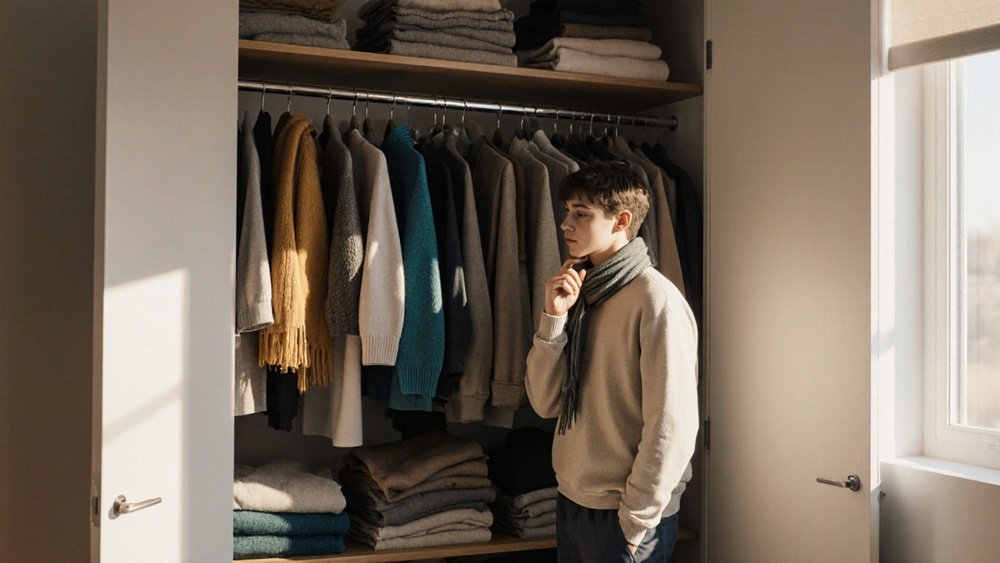
Are you tired of staring at your closet, feeling like you have nothing to wear? You’re not alone. Many people face common style struggles that hold them back from looking and feeling their best. Whether it’s picking the right fit, mixing and matching pieces, or avoiding outdated trends, these issues can be frustrating—and they don’t have to be. In this post, you’ll discover five everyday style problems and simple fixes that anyone can use. Keep reading to unlock easy tips that will transform your wardrobe and boost your confidence every time you dress. Fit Issues Fit issues often cause frustration in style. Clothes that do not fit well can spoil your entire look. Wearing ill-fitting clothes can make you feel uncomfortable and less confident. Fixing fit problems can improve both your appearance and comfort. Small adjustments bring big changes. Common Fit Problems Too tight clothes restrict movement and feel uncomfortable. Loose clothes can look sloppy and unprofessional. Sleeves that are too long or short draw attention in the wrong way. Pants that bunch up or are too short disrupt your silhouette. Necklines that gap or pull distract from your outfit. Tailoring Tips Visit a tailor for simple fixes. Hem pants and sleeves to the perfect length. Take in or let out seams for better shape. Adjust waistbands to avoid gaps or tightness. Tailoring can make budget clothes look expensive. Even small tweaks improve your overall look. Choosing The Right Size Always try clothes on before buying. Sizes differ between brands and styles. Focus on how the clothes feel, not the number. Check the fit in key areas: shoulders, chest, waist, and hips. Choose sizes that allow natural movement. Remember, perfect fit beats perfect size. Color Coordination Color coordination is a key part of style. It helps create outfits that look balanced and pleasing. Many people struggle with choosing colors that work well together. Understanding color basics makes outfit planning easier. Good color coordination brings harmony to your look. It highlights your features and fits the occasion. Avoiding mismatched colors stops your outfit from looking chaotic. Let’s explore how to mix colors, avoid clashes, and build a cohesive palette. Mixing Colors Effectively Start with simple color combinations. Pair a neutral base like black, white, or beige with one or two brighter colors. Use the color wheel to find colors that complement each other. Blue and orange, or purple and yellow, are great pairs. Balance bold colors with softer shades. If you wear a bright top, choose a muted bottom. Keep accessories in neutral tones. Mixing colors this way creates a stylish and fresh look. Avoiding Clashing Shades Clashing colors make outfits look messy and unplanned. To avoid this, limit your outfit to three main colors. Check the undertones of your clothes. Warm tones like red and brown clash with cool tones like blue and gray. Stick to one color family for a safer choice. Pastels together or earth tones together work well. If unsure, pick colors with similar brightness. This prevents harsh contrasts that hurt your eyes. Building A Cohesive Palette Create a color palette for your wardrobe. Choose colors that match your skin tone and style. A cohesive palette means all your clothes mix and match easily. This saves time and money when shopping. Start with basics like black, white, and navy. Add two or three accent colors you love. Use these colors repeatedly in your outfits. Your style will look put-together and intentional every day. Wardrobe Overload Wardrobe overload happens when your closet is full, but you still feel like you have nothing to wear. Too many clothes create confusion and waste time. It makes dressing stressful and less fun. Clearing the clutter helps you see what really matters and saves space for pieces you love. Identifying Unnecessary Items Start by taking everything out of your closet. Look at each piece carefully. Ask yourself if you wore it in the last year. Check if it fits well and suits your style. Remove items that are old, damaged, or never worn. Donate or recycle these to reduce clutter. Building A Capsule Wardrobe A capsule wardrobe is a small, versatile collection of clothes. Choose timeless basics that work together. Pick neutral colors and simple designs. Include a few statement pieces for variety. This approach saves time and money, making dressing easier every day. Maximizing Outfit Combinations Mix and match your capsule pieces to create many looks. Pair tops with different bottoms for fresh styles. Layer with jackets or scarves to add interest. Use accessories to change the vibe of an outfit. This strategy helps you wear more with less. Credit: xtremepolishingsystems.com Accessorizing Mistakes Accessorizing can make or break an outfit. Many people either overdo it or forget accessories completely. Both extremes can dull your style. The right accessories enhance your look and show your personality. Fixing common accessorizing mistakes helps you look polished and confident every day. Balancing Accessories Too many accessories create a cluttered look. Too few make the outfit plain. Balance is key. Choose one statement piece like a bold necklace or bright scarf. Keep other accessories subtle. Let one item stand out without competition. This simple trick gives your outfit a clean, stylish finish. Choosing Versatile Pieces Select accessories that work with many outfits. Neutral colors like black, brown, or gold match almost anything. Classic styles last longer and never go out of fashion. Pick items that suit different occasions, such as a simple watch or small hoop earrings. Versatile accessories save money and time. Incorporating Accessories Seamlessly Accessories should complement your outfit, not clash. Match metals and colors for a unified look. Consider your clothes’ style and occasion. For example, delicate jewelry suits formal wear, while chunky bracelets fit casual looks. Blending accessories smoothly makes your style appear intentional and well thought out. Styling Techniques Styling techniques shape how your outfits look and feel. Small changes can fix common style problems fast. These tips help you wear clothes better and feel confident. Layering Strategies Layering adds … Read more