

Is your closet overflowing with clothes you rarely wear? Do you find yourself digging through piles just to find your favorite shirt?
It’s time to take control and transform your closet into a neat, stress-free space. With the right closet decluttering tips, you can easily sort through your wardrobe, keep what truly matters, and say goodbye to the clutter that’s been holding you back.
Imagine opening your closet and instantly seeing exactly what you need—no more frustration, no more wasted time. Ready to make your closet work for you? Keep reading, because these simple, effective tips will help you create a tidy, organized closet that fits your lifestyle perfectly.
Empty Your Closet
Emptying your closet is the first step to effective decluttering. Removing all items gives a fresh start and clear view of your space. It helps you understand what you have and what you no longer need. This process also makes cleaning easier before organizing your clothes again.
Sorting through every item helps you decide what to keep, donate, or discard. It simplifies your closet and reduces clutter. This method also highlights forgotten pieces that may still hold value or need repair.
Empty Everything
Take all clothes, shoes, and accessories out of the closet. Place them in one spot for easy sorting. This step clears the closet completely, making cleaning simple. It also shows the true size of your storage space.
Create Sorting Piles
Make three main piles: keep, donate or sell, and trash. Keep items you wear often and love. Donate or sell clothes in good condition but no longer needed. Trash damaged or stained pieces that cannot be repaired.
Use A Maybe Pile
Set aside items you are unsure about in a separate box. Wait six months before deciding their fate. This pause helps avoid rushing decisions and unnecessary clutter. Revisit the maybe pile later for final choices.
Ask Decision Questions
Have you worn it in the last year? Does it still fit properly? Is it damaged or stained? Would you buy it again today? Does it match your current lifestyle? These questions guide your choices and keep your closet practical.
Organize And Store
Group similar items like shirts, pants, and dresses together. Use the same type of hangers for a neat look. Fold heavy items like knitwear and denim. Hang lighter clothes to save space. Store seasonal clothes separately to free up room.
Sort Into Piles
Sorting your closet items into piles makes decluttering easier and faster. This step helps you clearly see what to keep and what to remove. It also reduces decision fatigue by grouping similar items together. Use four main piles for a smooth process: keep, donate or sell, trash, and maybe. Each pile has a purpose and guides your next action.
Keep Items
Put clothes and accessories you use regularly in the keep pile. Choose items that fit well and match your current style. Look for pieces worn in the last year. Avoid keeping things with tags or that no longer fit your lifestyle. Organize these items neatly after sorting.
Donate Or Sell
Select items in good condition but no longer wanted. These can help others or earn some money. Check for clean, wearable pieces without damage. Clothes that don’t fit or suit your style belong here. Pack them carefully to donate or list them for sale online.
Trash Unusable Clothes
Discard clothes that are stained, torn, or beyond repair. Items with holes or heavy wear should go to trash. Do not keep damaged clothes hoping to fix them later. Removing these frees up space and keeps your closet fresh. Dispose of them responsibly.
Maybe Pile Strategy
Set aside clothes you feel unsure about in a maybe pile. These are items you want to think over. Store this pile separately for six months. If you don’t wear them by then, it is safe to let them go. This strategy prevents keeping unnecessary clutter.
Ask Key Questions
Asking key questions helps you decide what stays and what goes. This step makes decluttering easier and faster. It keeps your closet full of useful, loved clothes. Each question focuses on a different part of your wardrobe. Answer them honestly to clear out clutter and keep what matters.
Recent Use
Think about the last time you wore each item. Clothes not worn in a year usually do not belong in your closet. Recent use shows what fits your current style and needs. Keep only the items you reach for regularly. This keeps your closet fresh and practical.
Proper Fit
Check if each piece fits your body well now. Clothes that are too tight or too loose often end up unused. Proper fit means comfort and confidence. Keep only what fits you well today, not what might fit someday. This saves space and boosts your style.
Condition Check
Look closely for stains, tears, or worn spots. Clothes in poor condition should be tossed or repaired. Good condition means your clothes last longer and look better. Keep only items that look nice and feel good. This keeps your closet neat and wearable.
Lifestyle Match
Ask if the item fits your current lifestyle and activities. Clothes for old jobs or hobbies may no longer be useful. Keep clothes that match your daily life and plans. This helps you dress easily and feel ready for anything. A lifestyle match avoids clutter from outdated pieces.
Credit: cappuccinoandfashion.com
Organize By Category
Organizing your closet by category simplifies finding your clothes and keeps your space tidy. Sorting items into groups helps you see what you have and what you need. This method saves time and reduces stress each morning.
Group Similar Items
Start by separating your clothes into categories like shirts, pants, dresses, and jackets. Keep all similar items together in one place. This makes it easier to choose outfits and prevents clutter from building up. Grouping by type also helps you spot duplicates or items you no longer wear.
Consistent Hangers
Using the same kind of hanger gives your closet a neat, uniform look. Slim, non-slip hangers work well for most clothes. They save space and keep garments from slipping off. Consistent hangers also make it easier to slide clothes along the rod without causing wrinkles or damage.
Use Efficient Storage
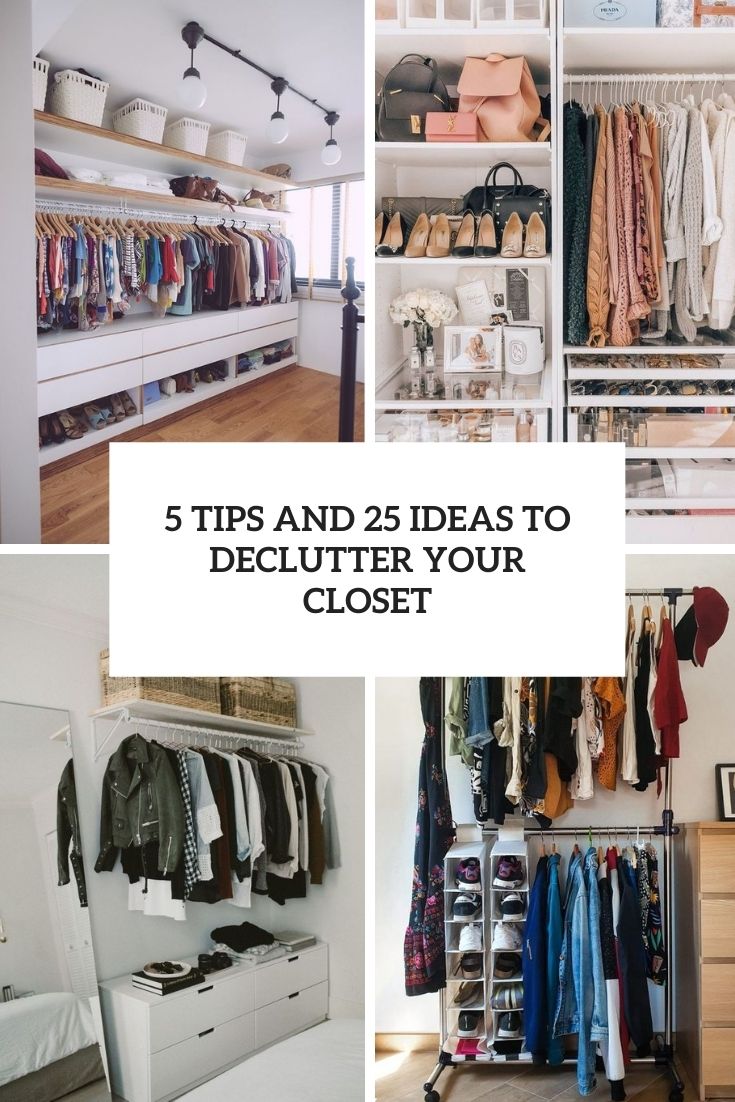
Efficient storage transforms your closet into a tidy, easy-to-use space. It saves time and reduces stress when you find items quickly. Smart storage protects clothes and extends their life. Small changes in how you store can make a big difference.
Fold Vs Hang
Some clothes do better folded, others hung. Heavy sweaters can stretch if hung. Fold them to keep shape. Dresses, shirts, and jackets stay wrinkle-free on hangers. Use hangers that fit the item size. Avoid overcrowding to prevent wrinkles and damage.
Vertical Folding In Drawers
Stack clothes vertically in drawers for easy access. This method shows every item at once. No need to dig through piles. Fold t-shirts, jeans, and shorts into small, neat rectangles. Stand them up side by side. It saves space and keeps drawers neat.
Seasonal Storage Tips
Store off-season clothes separately to free closet space. Use clear bins or vacuum bags for protection. Label each container for quick identification. Keep bulky winter coats in a spare closet or under the bed. Rotate items every season to keep your wardrobe fresh and manageable.

Credit: www.cleanandscentsible.com
Maintain Your Tidy Closet
Keeping your closet tidy is a continuous effort. The key lies in simple habits that prevent clutter from building up again. Small daily actions make your closet stay organized longer. Follow these practical tips to maintain a neat and functional space.
Regular Decluttering
Set a schedule to review your closet regularly. Every few months, remove items you no longer wear. Check for clothes that no longer fit or suit your style. This prevents clutter from piling up unnoticed. Regular decluttering keeps your closet fresh and easy to manage. It also makes space for new favorites without overcrowding.
Avoid Adding Clutter
Think carefully before buying new clothes. Only add items that match your current needs and style. Avoid impulse purchases that might end up unused. When new items enter, remove old ones to balance space. This habit stops your closet from becoming overcrowded. Keeping a mindful approach helps maintain order and ease in your closet.
Credit: www.shelterness.com
Frequently Asked Questions
What Is The First Step In Closet Decluttering?
The first step is to empty all items from your closet. This gives a clear overview and helps clean the space thoroughly.
How Do I Decide What Clothes To Keep?
Keep clothes you love, wear regularly, fit well, and match your current lifestyle. Avoid items with tags or not worn in a year.
What Should I Do With Clothes I No Longer Want?
Donate or sell clothes in good condition that you no longer need. Trash any damaged, stained, or worn-out items.
How To Handle Clothes I Am Unsure About?
Create a “maybe” pile for uncertain items. Revisit this pile after six months to decide whether to keep or remove them.
Conclusion
A tidy closet makes daily dressing easier and less stressful. Regularly sorting clothes helps keep only what you truly need. Donate or sell items that no longer fit or suit your style. Use matching hangers and organize by type for a neat look.
Store seasonal clothes separately to save space. Decluttering takes time but brings long-lasting benefits. Start small, stay consistent, and enjoy your organized closet every day.