

Are you tired of staring at a closet full of clothes but feeling like you have nothing to wear? Building a capsule wardrobe from scratch can be the game-changer you need.
Imagine having a collection of versatile, high-quality pieces that mix and match effortlessly, saving you time, money, and stress every day. In this guide, you’ll learn exactly how to create a wardrobe that fits your lifestyle and personal style perfectly.
Ready to simplify your mornings and look great with less? Let’s dive in and start building your ideal capsule wardrobe today.
Lifestyle Assessment
Building a capsule wardrobe starts with understanding your lifestyle. This step helps you choose clothes that fit your daily needs and keep your wardrobe simple and practical. Knowing how you spend your time guides your choices and saves money.
Assessing your lifestyle means looking closely at your habits, work, and environment. Each factor shapes the type of clothes you should include. This part is key to making your wardrobe useful and easy to manage.
Daily Activities
Think about what you do every day. Do you walk a lot, sit at a desk, or meet people often? Choose clothes that match these actions. Comfortable shoes and breathable fabrics suit active days. For more relaxed days, casual wear might work best. Your daily routine shapes your wardrobe’s foundation.
Work And Leisure Needs
Consider your job dress code. Formal work needs tailored pieces like blazers and dress pants. Creative jobs might allow casual or trendy clothes. Leisure time is important too. Include clothes for hobbies, outings, or sports. Balance work and play with versatile pieces that fit both worlds.
Climate Considerations
Weather affects your clothing choices a lot. In hot climates, lightweight and light-colored clothes keep you cool. Cold areas need warm layers like sweaters and coats. Rainy places call for waterproof items. Think about seasons and temperature changes. Choose fabrics and styles that suit your environment well.
Style Identification
Style identification is the first step in building a capsule wardrobe. It helps you choose clothes that truly reflect who you are. Knowing your style saves time and money. It also makes dressing easier and more enjoyable.
Favorite Clothing Patterns
Patterns express personality without words. Some prefer stripes or polka dots for a playful look. Others like florals or checks for a classic feel. Choose patterns that make you feel confident and happy. Limit the number of patterns to keep outfits versatile.
Preferred Colors And Fabrics
Colors impact mood and outfit coordination. Pick colors that suit your skin tone and are easy to mix. Neutrals like black, white, and gray work well for most. Add a few bold colors for interest. Fabrics should match your lifestyle. Cotton is breathable, wool keeps you warm, and linen feels light.
Fit And Comfort Preferences
Fit affects both appearance and comfort. Know your body shape to find flattering cuts. Tight clothes may look sharp but can be uncomfortable. Loose fits offer ease but can seem messy. Find a balance that feels good and looks polished. Comfort boosts confidence every day.
Color Palette Selection
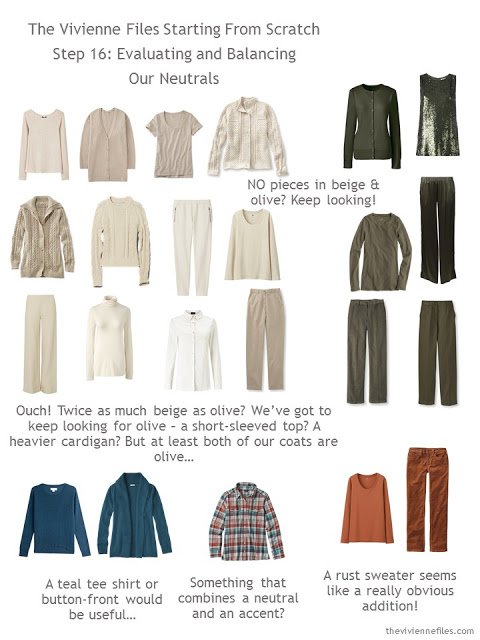
Choosing the right color palette is key to building a capsule wardrobe. Colors set the tone for your outfits. They help you mix and match easily. A well-chosen palette keeps your wardrobe simple yet versatile. Focus on colors that suit your style and lifestyle. Avoid colors that clash or rarely get worn. Think about your skin tone and preferences. This step lays the foundation for a cohesive wardrobe.
Core Neutral Colors
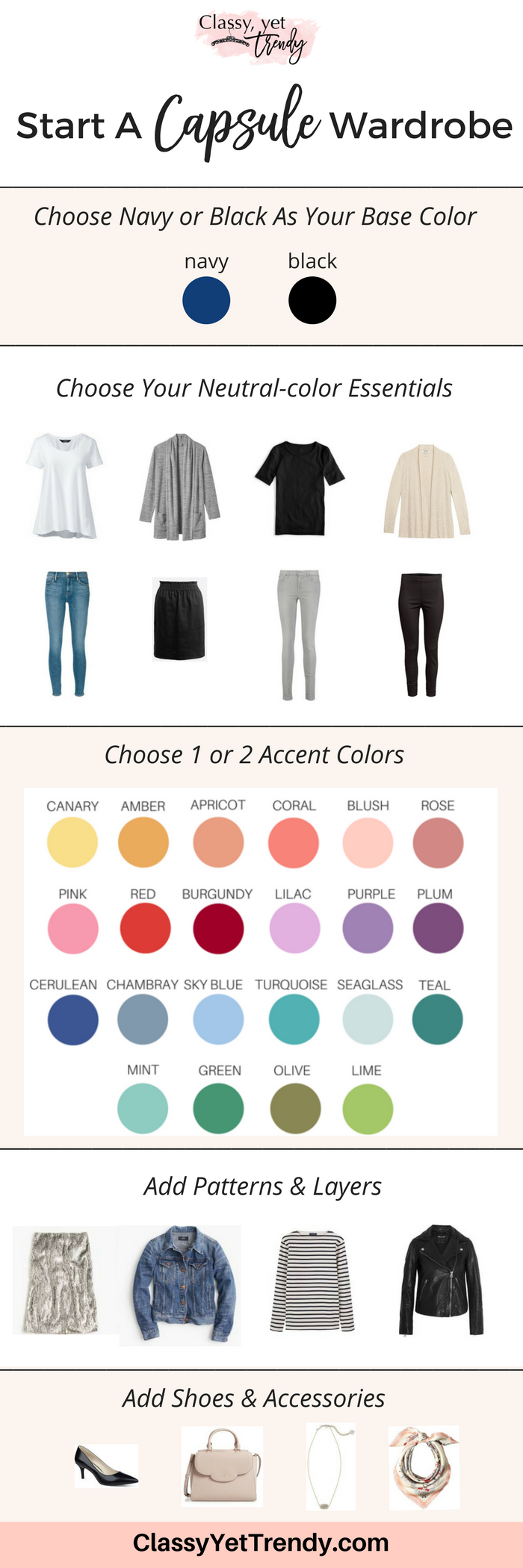
Neutral colors form the base of your capsule wardrobe. They pair well with almost any color. Common neutrals include black, white, gray, navy, and beige. Choose two or three neutrals that match your style. These colors are timeless and easy to layer. Neutrals help create clean, polished looks. They also make outfit planning faster and simpler.
Accent Shades
Accent shades add personality to your wardrobe. Pick one or two colors that you enjoy wearing. These could be soft pastels or bold tones. Accent colors bring energy and interest to your outfits. They work well in tops, scarves, or accessories. Use accents to break the monotony of neutral pieces. Keep accents limited to maintain balance and ease.
Seasonal Variations
Adjust your color palette for each season. Spring and summer favor lighter, brighter hues. Think light blues, soft pinks, and fresh greens. Fall and winter suit deeper, richer tones like burgundy, olive, and mustard. Seasonal colors keep your wardrobe feeling fresh. Swap accent pieces rather than core neutrals. This approach keeps your capsule flexible year-round.
Credit: www.theviviennefiles.com
Wardrobe Audit
Starting a capsule wardrobe requires a clear view of your current clothes. A wardrobe audit helps you see what you own. This step is essential before choosing new items. It saves money and space. It also makes dressing easier every day.
Decluttering Process
Take out all your clothes from closets and drawers. Look at each piece closely. Ask yourself if you wear it often. Also, consider if it fits well and feels comfortable. Remove items that are damaged or no longer suit your style. Be honest with yourself to avoid keeping unnecessary clothes.
Sorting Items
Group your clothes into categories: keep, donate, and recycle. Keep only versatile and good condition items. Donate clothes that are wearable but unwanted. Recycle worn-out items responsibly. Organize the keep pile by type, color, or season. This makes it easier to plan your capsule wardrobe.
Identifying Gaps
Look at the clothes you decided to keep. Notice if any essential items are missing. Essentials include basics like plain t-shirts, neutral pants, or a simple jacket. Write down pieces you need to complete your wardrobe. Focus on versatile items that mix and match well. This list guides your future shopping.
Essential Items List
Creating a capsule wardrobe starts with a clear list of essential items. These pieces form the base of your wardrobe. They mix and match easily. Choose items that suit your style and daily needs. Focus on quality and versatility for long-term use.
Versatile Tops
Select tops in neutral colors like white, black, or navy. Include t-shirts, blouses, and simple bodysuits. Pick styles that work for casual and formal occasions. Look for comfortable fabrics that last through many washes. These tops pair well with most bottoms.
Bottoms For Mixing
Choose bottoms that match your tops easily. Include jeans, tailored trousers, and skirts. Pick neutral shades like black, grey, or denim blue. Make sure they fit well and suit your lifestyle. These pieces help create many outfit combinations.
Layering Pieces
Layering pieces add warmth and style. Pick items like blazers, cardigans, or denim jackets. Choose lightweight options for easy layering. These pieces can dress up or down your look. They help adapt your wardrobe to changing weather.
Shoes And Accessories
Select shoes that cover different occasions. Include sneakers, flats, and a dressier pair. Pick simple accessories like scarves, hats, and minimal jewelry. These items complete your outfits without crowding your wardrobe. Choose pieces that reflect your personal style.
Credit: classyyettrendy.com
Quality Over Quantity
Choosing quality over quantity is key when building a capsule wardrobe. A few well-made items last longer and look better than many cheap pieces. Quality clothes save money and reduce waste. They make dressing simpler and more enjoyable. Focus on selecting garments that offer comfort, style, and durability. This approach creates a wardrobe that works for every occasion and season.
Material Choices
Select fabrics that feel good on your skin. Natural fibers like cotton, wool, and linen breathe well and are comfortable. They tend to age nicely and maintain shape. Avoid synthetic materials that wear out quickly or lose color. Consider blends that combine durability and softness. Knowing your favorite materials helps you pick pieces you’ll wear often.
Durability And Fit
Check seams and stitching for strength before buying. Clothes should hold their shape after washing. Choose items that fit well without being too tight or loose. Good fit improves comfort and appearance. Tailoring can fix minor fit issues, extending a garment’s life. Prioritize durability and fit over trendy designs to build a lasting collection.
Investment Pieces
Spend more on key items like coats, shoes, and bags. These pieces get frequent use and define your style. Quality investment items look elegant and last years. They also pair easily with cheaper basics. Buying less but better helps avoid clutter. Focus on timeless designs that suit your lifestyle and personal taste.
Sustainable Shopping
Building a capsule wardrobe with sustainability in mind helps reduce waste and supports ethical fashion. Sustainable shopping means choosing clothes that last longer and have less impact on the planet. It also involves thoughtful decisions about where and how you shop.
Focus on quality over quantity. Select pieces that work well together and suit your style. Sustainable shopping can be rewarding and aligns well with the capsule wardrobe philosophy.
Second-hand Finds
Shopping second-hand is a smart way to add unique pieces to your wardrobe. Thrift stores, consignment shops, and online marketplaces offer great options. These clothes have already been made, so buying them reduces demand for new production.
Second-hand shopping often leads to affordable, stylish items. You can find vintage pieces that add character. It also helps keep good clothes out of landfills.
Eco-friendly Brands
Eco-friendly brands prioritize sustainable materials and ethical production. They use organic cotton, recycled fabrics, and low-impact dyes. These brands focus on fair labor practices and transparency.
Choosing eco-friendly brands supports companies that care about the environment and workers. Their products often last longer and feel better to wear. This choice strengthens your capsule wardrobe’s sustainability.
Minimal Waste Practices
Minimal waste practices reduce the environmental footprint of your clothing. Choose items with simple designs and durable fabrics to avoid fast fashion. Repair clothes instead of discarding them.
Buy only what you need and avoid impulsive purchases. Use reusable bags and avoid excessive packaging. These small steps help create a sustainable wardrobe and reduce waste over time.
Credit: anuschkarees.com
Mix And Match Strategies
Mix and match strategies are key to building a capsule wardrobe from scratch. They help you create many outfits with fewer pieces. This approach saves time and money. It also ensures your wardrobe stays practical and stylish. Here are some simple ways to mix and match effectively.
Creating Outfits
Start by pairing basic tops with different bottoms. For example, a white t-shirt works well with jeans or a skirt. Change accessories to shift the look from casual to formal. Layer with jackets or cardigans for variety. Experiment with colors and patterns to keep outfits fresh. Keep comfort and occasion in mind when combining pieces.
Balancing Basics And Statement Pieces
Basics form the foundation of your wardrobe. Choose neutral colors like black, white, and navy. Add statement pieces to bring personality. These can be a bright blouse or patterned scarf. Use statement items sparingly to avoid clutter. They make outfits stand out without overwhelming. Balance keeps your wardrobe versatile and interesting.
Maximizing Versatility
Pick clothes that work in multiple settings. A blazer can be worn to work or casual outings. Dresses can be dressed up or down with shoes and accessories. Choose fabrics that suit different seasons. Stick to a color palette for easy mixing. Versatile pieces reduce decision fatigue and save space. This strategy ensures your wardrobe adapts to any plan.
Clothing Care
Proper clothing care helps your capsule wardrobe last longer and look great. It keeps fabrics fresh and prevents damage. Caring well means spending less on replacements and waste. Small daily habits protect your clothes and style.
Washing Tips
Use cold water to save fabric and color. Avoid harsh detergents; choose mild ones instead. Turn clothes inside out to protect prints and colors. Wash similar fabrics together to prevent damage. Skip the dryer for delicate items and air dry instead.
Storage Solutions
Store clothes in a dry, cool place to avoid mold and mildew. Use hangers for dresses, shirts, and jackets to keep shape. Fold knitwear and t-shirts to prevent stretching. Keep shoes in boxes or cloth bags to maintain form. Use cedar blocks or lavender sachets to repel moths naturally.
Repair And Maintenance
Fix small holes and loose threads quickly to stop further damage. Replace missing buttons and fix broken zippers promptly. Learn basic sewing skills or use fabric glue for quick repairs. Regularly check your clothes and clean minor stains immediately. Proper care extends the life of every item.
Frequently Asked Questions
What Is The 5 4 3 2 1 Method Capsule Wardrobe?
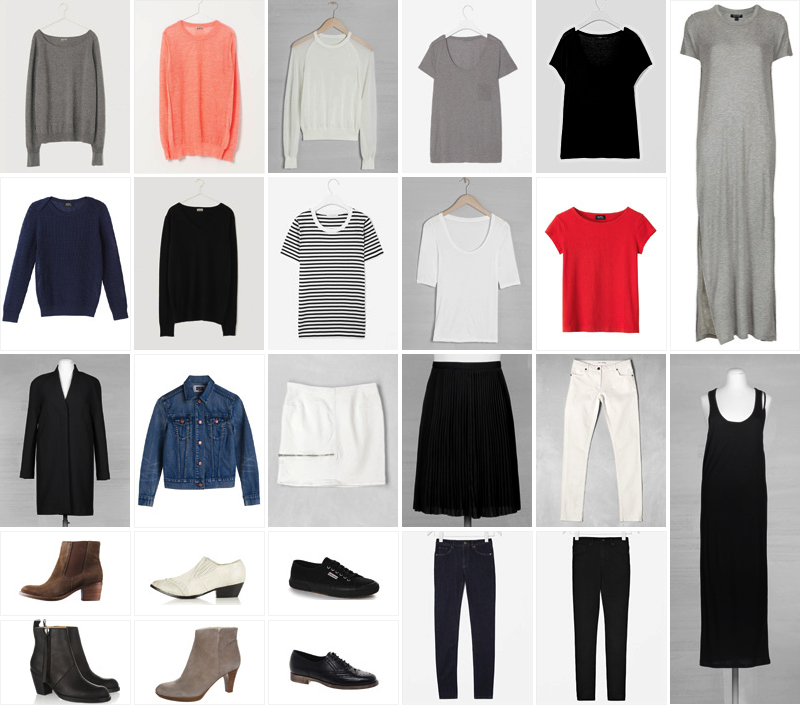
The 5 4 3 2 1 capsule wardrobe method organizes clothes into specific categories: 5 tops, 4 bottoms, 3 shoes, 2 layers, and 1 dress or specialty item. This approach simplifies outfit choices and ensures versatility with fewer pieces.
How To Build A Capsule Wardrobe For Beginners?
Define your lifestyle and style, then choose a core color palette. Audit your wardrobe, select versatile, high-quality basics, and add a few unique pieces for mix-and-match ease.
What Is The 3-3-3 Rule Capsule Wardrobe?
The 3-3-3 rule capsule wardrobe includes three tops, three bottoms, and three pairs of shoes. It simplifies outfit choices and maximizes versatility. This method helps build a balanced, easy-to-mix wardrobe with minimal pieces for daily wear.
What Is The 70/30 Wardrobe Rule?
The 70/30 wardrobe rule means 70% of your clothes are basics, while 30% are statement or trendy pieces. It balances versatility and style.
Conclusion
Building a capsule wardrobe starts with simple, thoughtful choices. Focus on quality over quantity. Choose pieces that mix and match well. Keep your style and daily needs in mind. This approach saves time and reduces stress. Your wardrobe becomes easier to manage and more enjoyable.
Enjoy the freedom of having fewer, better clothes. Your style will feel fresh and consistent every day. Start small and build gradually for lasting results.