

Do you ever stand in front of your closet feeling unsure about what to wear? The truth is, dressing well isn’t about following every trend—it’s about understanding your unique body shape and age.
When you know how to dress for your body type and age, you’ll feel more confident, comfortable, and stylish every single day. This guide will help you discover the best clothes that highlight your natural features and suit your stage of life.
Ready to unlock your personal style and make getting dressed effortless? Keep reading, because the perfect outfit for you is just ahead.
Identify Your Body Shape
Understanding your body shape is key to dressing well. Clothes that fit your shape enhance your look and boost confidence. Start by identifying your body shape clearly. This helps you pick styles that suit both your figure and age.
Measure Bust, Waist, And Hips
Use a soft measuring tape for accurate results. Measure the fullest part of your bust. Next, find your natural waistline and measure it. Lastly, measure the widest part of your hips. Write down these numbers for comparison.
Compare Measurements To Shapes
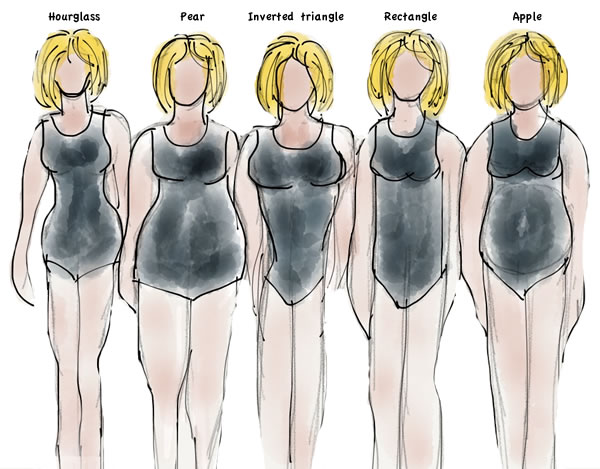
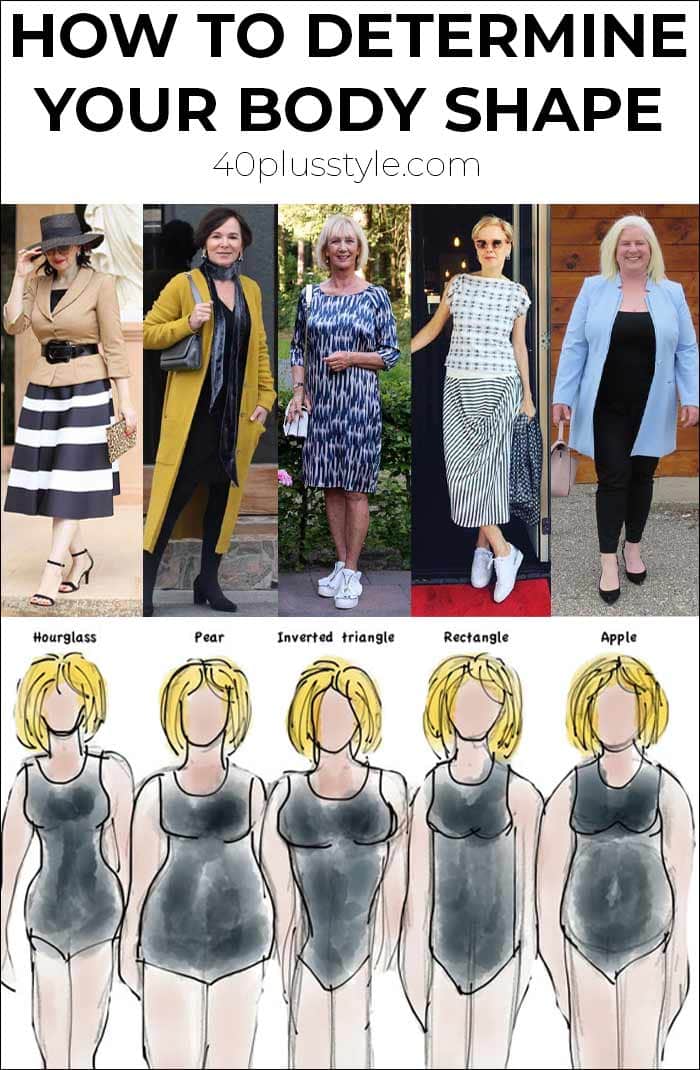
Look at your measurements side by side. If bust and hips are similar, with a smaller waist, you may have an hourglass shape. Larger hips than bust suggest a pear shape. A larger bust than hips points to an apple shape. Similar measurements throughout can mean a rectangle shape.
Using The Mirror Method
Stand in front of a full-length mirror wearing form-fitting clothes. Observe your shoulders, waist, and hips carefully. Notice where your body widens or narrows. This visual check supports your measurements and gives a better idea of your shape.
Video Techniques For Accuracy
Record a short video of yourself turning slowly. Wear tight clothes to show your silhouette. Watch the video to see your body angles and curves. This method helps spot details missed in still images or mirror checks.
Dress For Hourglass Figure
The hourglass figure is known for its balanced curves and a well-defined waist. Dressing to enhance this shape means focusing on styles that emphasize the natural silhouette. The goal is to celebrate the curves without adding bulk or hiding the waist.
Choosing the right clothes can boost confidence and highlight the body’s best features. This section covers how to dress for an hourglass figure with practical tips.
Highlighting The Waist
The waist is the key feature of the hourglass figure. Select clothing that draws attention to this area. Belts work well to cinch the waist and create a clear shape. Wrap dresses and tops naturally emphasize the waistline. Avoid shapeless or boxy styles that hide the curves. Tailored pieces that fit snugly around the waist give a polished look.
Choosing Fitted Clothing
Fitted clothes complement the hourglass shape perfectly. Look for garments that follow the body’s natural lines. Avoid overly loose or baggy items that hide your figure. Bodycon dresses and pencil skirts are excellent choices. They enhance curves and create a sleek silhouette. Stretchy fabrics also provide comfort while maintaining shape.
Best Fabrics And Patterns
Soft and flexible fabrics suit the hourglass figure best. Cotton, jersey, and silk drape nicely without adding bulk. Patterns like vertical stripes or small prints can elongate the body. Large or busy prints might overwhelm your curves. Solid colors or subtle patterns help keep the focus on your shape. Choose fabrics that move with your body for ease and style.
Style Tips For Pear Shape
Understanding how to dress for a pear-shaped body helps you highlight your best features. This body type has narrower shoulders and wider hips. The goal is to create balance and enhance your natural curves. Choosing the right clothes can make your silhouette look more proportional and stylish.
Balancing Shoulders And Hips
Focus on drawing attention to your shoulders. Wear tops with details like ruffles, puff sleeves, or shoulder pads. Bright colors and patterns on top can shift the eye upward. Avoid tight or bulky fabrics near the hips. Structured jackets or blazers can add width to your upper body. This helps create a balanced look between shoulders and hips.
Flattering Bottoms
Choose bottoms that skim your hips without adding bulk. A-line skirts and wide-leg pants work well. Darker colors on the bottom create a slimming effect. Avoid tight or skinny pants that highlight the hips. Look for fabrics that flow smoothly and provide comfort. High-waisted styles can also lengthen your legs and define your waist.
Top Choices To Enhance Proportion
Select tops that add volume and interest to your upper body. Boat necks, off-shoulder tops, and scoop necks open the chest area. Patterns, prints, and light colors draw attention upward. Layering with scarves or necklaces adds dimension. Avoid tops that cling tightly to your waist or hips. This styling helps create a well-proportioned and flattering shape.
Outfits For Apple Body Type
The apple body type features a fuller midsection with slimmer legs and arms. Choosing outfits that balance proportions enhances natural shape and boosts confidence. Clothes that highlight legs and shoulders while minimizing the midsection work best. Focus on creating a flattering silhouette with smart cuts and styles.
Emphasizing Legs And Shoulders
Draw attention to the legs and shoulders by wearing clothes that highlight these areas. Opt for skirts and pants that show off your legs. Off-shoulder tops or boat necklines broaden the shoulder line. Structured jackets with shoulder pads add definition. Bright colors or patterns on the top can also shift focus upward.
Avoiding Midsection Bulk
Choose tops and dresses that avoid clinging to the midsection. Flowy fabrics and loose cuts prevent emphasis on the tummy. Empire waistlines and A-line shapes create a smooth look. Avoid tight belts or elastic bands around the waist. Darker shades on the torso help slim the middle area visually.
Best Silhouettes And Cuts
A-line dresses and skirts flatter apple shapes well. Wrap dresses define the waist without pinching the midsection. High-waisted pants elongate the legs and provide support. V-neck tops create a vertical line that slims the upper body. Peplum styles add a gentle flare to balance proportions.
Dressing Inverted Triangle Shape
The inverted triangle body shape has broad shoulders and a narrower waist and hips. Dressing for this shape means balancing the upper body with the lower body. Clothes can create a softer look and highlight your best features.
Softening Broad Shoulders
Choose tops with soft fabrics to reduce shoulder width. Avoid shoulder pads and heavy embellishments on the shoulders. Opt for raglan or dolman sleeves to create a smooth shoulder line. Darker colors on top help minimize broadness.
Highlighting The Lower Body
Wear bright or light-colored bottoms to draw attention downward. A-line skirts and wide-leg pants add volume to hips. Pleats and patterns on skirts or pants create balance. Avoid skinny jeans or tight pants that narrow the lower body.
Ideal Necklines And Sleeves
V-necks and scoop necks elongate the neck and soften shoulders. Avoid boat necks or wide necklines that widen the shoulder line. Three-quarter or full sleeves work well to slim arms. Sleeveless styles should be fitted and simple to avoid extra width.
Credit: 40plusstyle.com
Clothing For Rectangle Shape
The rectangle body shape features a straight silhouette with similar measurements across the bust, waist, and hips. This shape often lacks defined curves, so clothing choices aim to create curves and add dimension. Dressing smartly enhances your natural figure and adds balance to your overall look. Choose styles that emphasize your waist and add softness to your shape.
Creating Curves And Definition
Focus on outfits that define your waist. Belts are excellent for adding instant shape. Peplum tops and dresses create a curved waistline. Wrap dresses and tops highlight your middle section beautifully. Avoid boxy or shapeless clothes that hide your natural lines. Tailored clothing fits better and creates a flattering silhouette.
Layering Techniques
Layering adds depth and shape to a rectangle figure. Lightweight jackets or cardigans can add curves. Use structured blazers with a nipped-in waist. Layering with different lengths adds visual interest. Scarves and vests work well to break up straight lines. Keep layers fitted to avoid bulk and maintain a sleek look.
Choosing Prints And Textures
Choose prints that add dimension and movement. Horizontal stripes widen your frame and create curves. Floral and abstract patterns bring softness to your look. Textured fabrics like lace or ruffles add volume. Avoid large, bold prints that overwhelm your figure. Mix smooth and textured materials to add balance and style.
Adjusting Style For Different Ages
Adapting your style as you age keeps your wardrobe fresh and fitting. Each decade brings changes in lifestyle, body, and preferences. Adjusting clothing choices ensures confidence and comfort at every stage. Focus on pieces that highlight your best features and suit your daily needs.
20s To 30s: Building A Versatile Wardrobe
This age is perfect for experimenting with trends and classic styles. Choose versatile pieces that mix and match easily. Invest in quality basics like well-fitting jeans, simple tees, and a tailored blazer. These items create a strong foundation for many outfits.
Play with colors and patterns to find what suits you best. Accessories like watches, scarves, or hats add personality. Comfort matters too, so pick fabrics that feel good all day. This approach saves time and money while keeping your look fresh.
40s To 50s: Embracing Sophistication
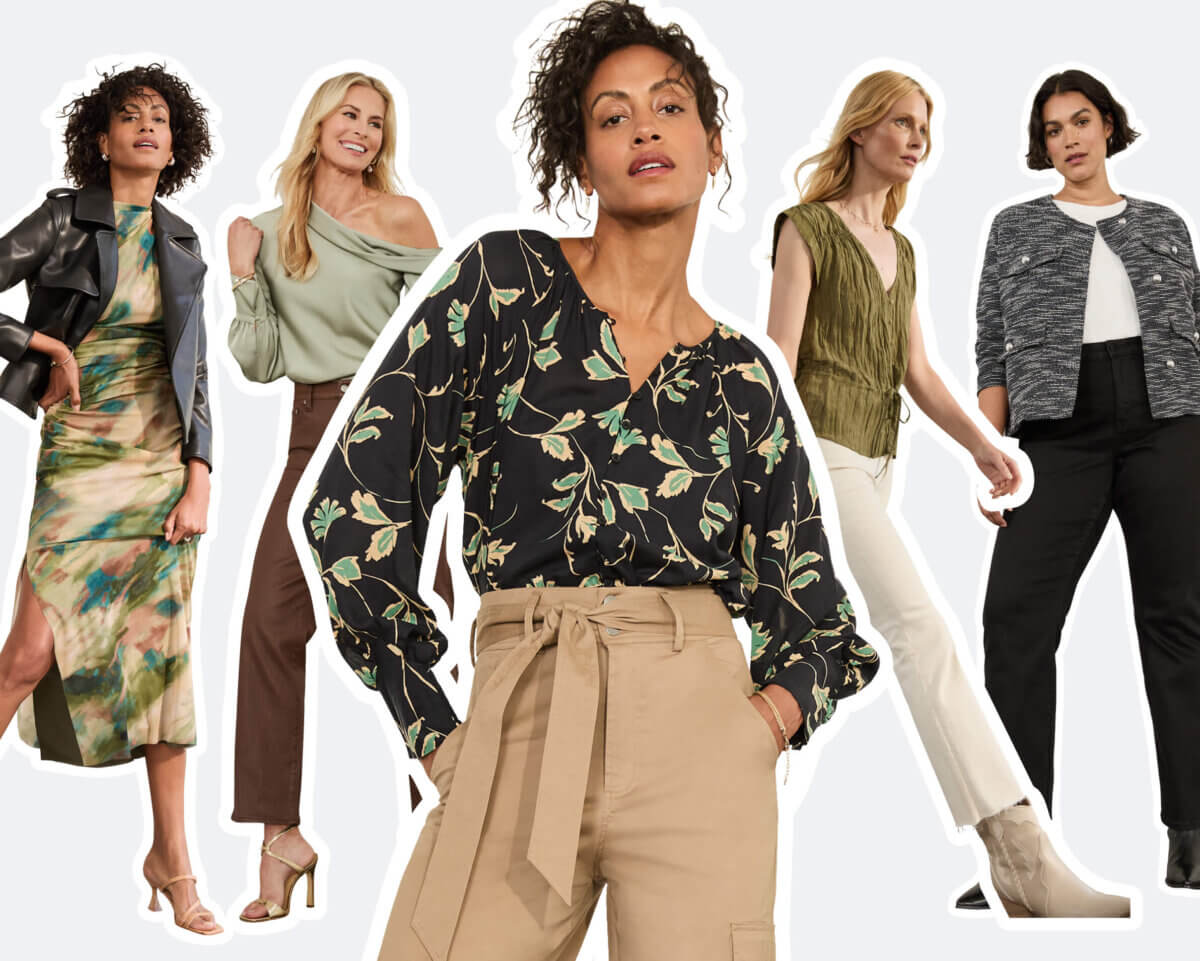
Focus on polished and elegant clothing that flatters your shape. Tailored jackets, structured dresses, and classic trousers work well. Opt for neutral or muted colors for a timeless appeal. Add subtle prints or textures to keep the outfit interesting.
Choose fabrics that drape nicely and maintain their shape. Avoid overly tight or loose clothing to balance comfort and style. Accessories like leather bags and simple jewelry enhance sophistication. This style reflects maturity without losing vibrancy.
60s And Beyond: Combining Comfort And Style
Comfort takes priority, but style remains important. Soft, breathable fabrics like cotton, linen, or knitwear suit this stage. Loose cuts and layers help adjust to varying temperatures. Choose clothes that are easy to wear but still look put-together.
Colors can be soft or bold, depending on your personality. Patterns like florals or geometrics add charm without overwhelming. Shoes should provide support without sacrificing style. This balance keeps you comfortable and confident every day.
Credit: www.stitchfix.com
Essential Wardrobe Staples
Building a wardrobe with essential staples helps you dress well for your body type and age. These key pieces create a strong foundation. They mix easily and suit different occasions. Choosing the right basics saves time and boosts confidence. Focus on items that flatter your shape and fit your lifestyle.
Neutral Basics For Mixing And Matching
Neutral colors like black, white, navy, and beige are versatile. These shades pair well with each other and with brighter pieces. A white t-shirt, black pants, and a navy blazer form a simple core. Choose fabrics that fit comfortably and suit your body shape. Neutrals help keep your look polished and age-appropriate.
Versatile Outerwear Options
Outerwear should enhance your silhouette and add style. A tailored blazer defines your waist and adds structure. A classic trench coat works well for most ages and body types. Choose outerwear that fits well on the shoulders and does not add bulk. Layering with the right coat makes outfits adaptable for different seasons.
Footwear To Suit Body And Age
Select shoes that balance your proportions and support comfort. Low to mid-height heels can elongate the legs without strain. Flats with pointed toes slim the foot and look elegant. Sneakers with clean lines suit casual looks and all ages. Avoid shoes that make your feet look wide or heavy.
Creating Capsule Wardrobes
Creating a capsule wardrobe helps simplify dressing for any body type and age. It focuses on quality pieces that work well together. This approach reduces clutter and saves time.
Capsule wardrobes highlight versatility and timeless style. They make it easy to dress confidently and comfortably. The idea is to choose items that fit well and flatter your shape.
Selecting Timeless Pieces
Choose clothing that does not go out of style quickly. Solid colors and classic cuts work best. Look for items that highlight your best features.
Invest in well-fitting basics like a white shirt or dark jeans. These form the foundation of your wardrobe. Avoid overly trendy items that may not suit your age or body shape.
Maximizing Outfit Combinations
Pick pieces that mix and match easily. Neutral colors allow you to pair many items together. Layering helps create new looks from the same clothes.
Use accessories to add variety without extra bulk. Scarves, belts, and jewelry change your outfit’s feel quickly. This method keeps your style fresh and interesting.
Packing Smart For Travel
Capsule wardrobes make travel packing simple and light. Choose versatile clothes that work for different occasions. Pack fewer items but ensure each piece matches well.
Limit shoes to two or three pairs that fit all needs. Roll clothes to save space and reduce wrinkles. This strategy saves time and stress while traveling.
Accessorizing To Enhance Shape
Accessories have the power to change the look of any outfit. They help highlight your best features and balance your body shape. Choosing the right accessories can add style and confidence as you dress for your body type and age. Small details make a big difference in enhancing your shape.
Belts For Definition
Belts create a clear waistline and add shape to your outfit. For hourglass figures, slim belts emphasize curves. For apple shapes, wider belts can create the illusion of a defined waist. Position the belt at your natural waist for the best effect. Avoid belts that are too tight or too loose. Choose colors that contrast with your clothes to draw attention.
Jewelry That Draws Attention
Jewelry can highlight your face and neckline. Long necklaces lengthen the body and suit round faces. Statement earrings bring focus to your face and balance broader shoulders. Avoid bulky pieces if you have a petite frame. Choose jewelry that matches your outfit’s style and color. Keep it simple for daytime and add bold pieces for evening looks.
Bags And Hats To Complement Outfits
Bags add shape and function to your look. Structured bags bring formality and polish to casual wear. Crossbody bags work well for all body types and ages. Hats can frame your face and add personality. Wide-brim hats suit oval and heart shapes. Choose smaller hats for rounder faces. Match your bag and hat style to the occasion and outfit.
Credit: kdfoundation.org
Frequently Asked Questions
What Is The 3 3 3 Rule For Outfits?
The 3 3 3 rule for outfits means owning three tops, three bottoms, and three pairs of shoes. These pieces mix and match easily. It simplifies dressing, boosts creativity, and suits travel. This minimalist approach helps create many stylish outfits with fewer items.
How Do I Know My Body Type And What Clothes Type I Should Wear?
Measure your bust, waist, and hips. Compare to identify your shape: hourglass, pear, apple, inverted triangle, or rectangle. Choose clothes that balance your proportions and highlight your best features. Use fitted tops for narrow waists and A-line skirts for wider hips to enhance your body type.
What Is The 5 Outfit Rule?
The 5 outfit rule involves selecting five versatile, neutral pieces that mix and match easily. This simplifies dressing and boosts creativity. It’s ideal for travel and promotes mindful shopping by focusing on fewer, intentional items. Examples include basic tops, bottoms, and shoes that coordinate well together.
How To Dress For Your Age?
Dress for your age by choosing styles that flatter your body shape and suit your lifestyle. Opt for well-fitting, timeless pieces. Embrace colors and patterns that enhance your skin tone. Avoid overly trendy or juvenile looks. Prioritize comfort while maintaining a polished appearance.
How Do I Identify My Body Type Easily?
Measure your shoulders, waist, and hips. Compare sizes to find your shape: pear, apple, hourglass, or rectangle.
Conclusion
Dressing well means choosing clothes that fit your body and age. Embrace styles that highlight your best features. Simple, comfortable outfits boost confidence every day. Age should inspire your choices, not limit them. Experiment with colors and cuts that feel right.
Remember, fashion is about expressing who you are. Keep your wardrobe fresh but practical. Dress smartly to feel great in any situation. Your style grows with you—enjoy the process.