
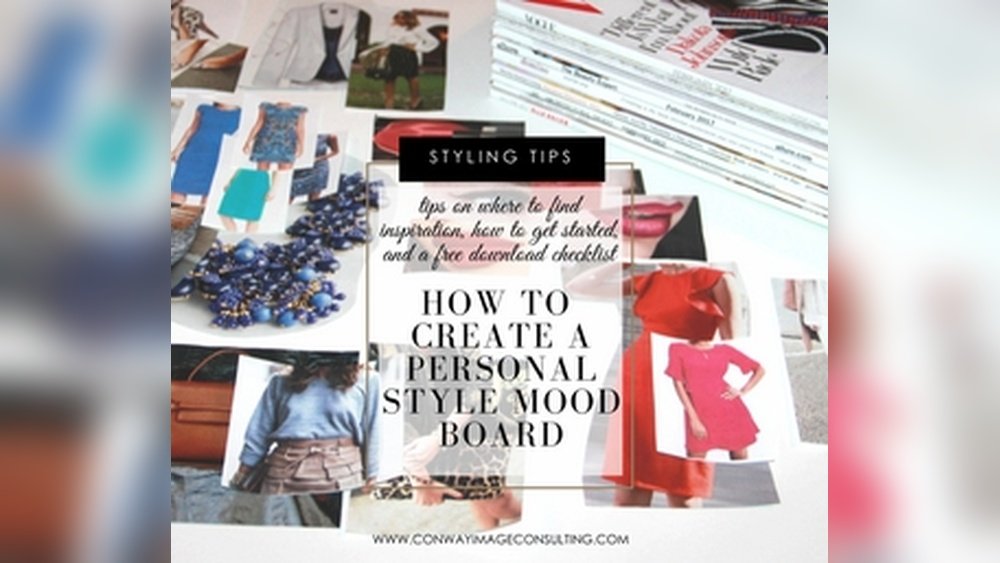
Do you ever feel stuck when trying to define your personal style? A personal style mood board might be the key to unlocking your fashion creativity.
It’s a simple, fun way to gather your favorite looks, colors, and textures all in one place. By building your own mood board, you can see exactly what inspires you and make better choices for your wardrobe. Ready to discover how to create a mood board that truly reflects who you are?
Keep reading, and you’ll learn the easy steps to build one that brings your style vision to life.
Gather Inspiration
Gathering inspiration is the first step to building your personal style mood board. It helps you see what attracts you and what fits your personality. Collecting various elements creates a clear picture of your style preferences. This step lets you explore and choose freely without pressure.
Find Images And Textures
Start by searching for images that speak to you. These can be photos of clothes, accessories, or even nature. Textures like fabrics or patterns add depth and interest. Use magazines, websites, or your own photos to gather these visuals. Choose images that feel right and show your style mood.
Collect Color Swatches
Colors set the mood of your style board. Pick swatches of colors that you love or want to try. These could be bright, soft, neutral, or bold shades. Use paint chips, fabric samples, or digital color tools. Group colors that look good together to create harmony in your board.
Save Style Quotes And Words
Words and quotes can express your style feelings. Find short phrases or words that inspire you or describe your style. These might be about confidence, comfort, or creativity. Add them to your mood board to give it personality. They help you stay focused on the style you want.
Choose Your Tools
Choosing the right tools shapes how you build your personal style mood board. The tools you pick affect your creativity and ease of use. Some prefer digital platforms, while others enjoy hands-on DIY boards. You can also combine both methods for a richer experience. Select tools that fit your comfort and style vision.
Digital Platforms To Use
Digital platforms offer easy ways to collect and organize images. Sites like Pinterest let you save photos from across the web. Canva provides templates for mood boards and simple editing tools. Milanote helps you arrange images, colors, and notes on one screen. These platforms let you update your mood board anytime, anywhere.
Diy Physical Boards
Physical boards bring a tactile feel to your mood board. Use corkboards, poster boards, or foam boards as your base. Cut out images from magazines or print your favorites. Add fabric swatches, color chips, and handwritten notes. This method makes your style vision tangible and can inspire new ideas.
Mixing Digital And Physical
Combining digital and physical tools gives you the best of both worlds. Start by collecting ideas digitally for easy browsing. Print your top picks to arrange on a physical board. Use your phone or tablet to add new finds on the go. This mix helps keep your style fresh and flexible.
Define Your Style Theme
Defining your style theme is the first step in building a personal style mood board. It helps you focus on a clear vision. This stage guides every choice you make. Your theme reflects your personality and lifestyle. It makes your mood board unique and authentic.
Choosing a style theme creates harmony in your selections. It ensures all elements work well together. This foundation makes it easier to design your wardrobe or space. Start by thinking about what feels right to you. Let your style theme tell your story.
Pick A Mood Or Vibe
Choose a mood that fits your personality. It can be calm, edgy, playful, or elegant. The mood sets the tone for your entire style. Look for images that capture this feeling. Think about how you want to feel in your clothes or space. This vibe will guide your style choices clearly.
Select A Color Palette
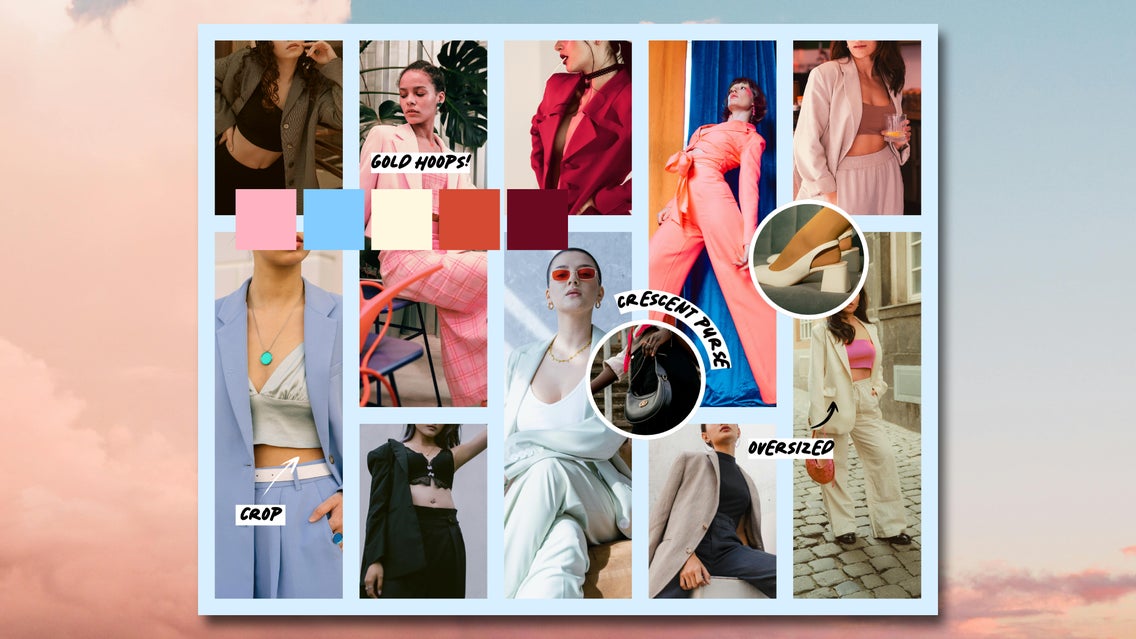
Colors create emotion and style identity. Pick a palette with three to five main colors. Use shades that complement each other well. Your colors should match the mood you chose earlier. Include neutral tones to balance bold colors. This palette helps you stay consistent and focused.
Add Patterns And Textures
Patterns and textures add depth and interest to your style. Choose ones that match your color palette and mood. Think about stripes, florals, or geometric designs. Add textures like denim, silk, or leather. These details make your style mood board rich and tactile.

Credit: themomedit.com
Arrange Your Board
Arranging your personal style mood board helps bring your vision to life. This step turns scattered ideas into a clear, inspiring layout. A well-arranged board guides your style choices and keeps your look focused. Follow simple tips to organize images, colors, and fonts effectively.
Organize Images And Colors
Group similar images to create visual harmony. Place photos with matching colors close together. Use color swatches to highlight your favorite palettes. Keep your board neat by avoiding clutter. This makes it easier to see your style theme clearly.
Balance Visual Elements
Mix large and small images for a dynamic look. Spread out bold colors to avoid overpowering one area. Leave some empty space to give your eyes a break. Balance keeps your board pleasant and easy to understand. It helps show your style in a natural way.
Use Typography And Fonts
Choose fonts that match your style mood. Use one or two font styles to keep it simple. Place words or quotes where they add meaning. Make sure text is easy to read. Typography adds personality and completes your mood board’s look.
Refine And Edit
Refining and editing your personal style mood board is a crucial step. It shapes your ideas into a clear, focused vision. This process helps you remove distractions and highlight your true style. Take your time to review each element carefully. Focus on what truly represents your fashion sense.
Remove Outliers
Outliers are items that do not fit your overall style. They might feel exciting but confuse your board’s message. Remove images or colors that clash or feel out of place. This keeps your mood board clean and easy to understand. A refined board guides your style choices better.
Focus On Cohesion
Cohesion means all parts of your mood board work well together. Look for a consistent color palette or theme. Group similar textures, patterns, and shapes. This creates harmony and balance. A cohesive mood board reflects a clear style identity.
Get Feedback
Ask friends or style experts to review your board. Fresh eyes catch details you might miss. Listen to their opinions about what works and what does not. Feedback helps you see your mood board from a new angle. Use it to improve and strengthen your style vision.
Apply Your Mood Board
Applying your personal style mood board helps turn ideas into real wardrobe choices. It acts as a visual guide for your daily dressing and future purchases. Use your mood board to plan outfits that feel true to your style. This makes dressing easier and more fun.
Plan Your Wardrobe
Look at your mood board and note key colors and styles. Check your current wardrobe for pieces that match your board. Decide what fits your style and what does not. Remove or donate clothes that clash with your mood board. This creates a clear, focused wardrobe.
Create Outfit Combinations
Use your mood board to mix and match clothing items. Try pairing colors and textures inspired by your board. Take photos of outfits that work well together. Keep these photos for quick outfit ideas on busy days. This helps you stay stylish without much effort.
Guide Future Shopping
Bring your mood board when you shop for clothes. Look for items that match your board’s colors and themes. Avoid impulse buys that do not fit your style vision. This keeps your wardrobe consistent and meaningful. Your mood board saves money and time by guiding smart purchases.
Avoid Common Pitfalls
Building a personal style mood board can be fun and inspiring. It helps you see your fashion ideas clearly. Avoid mistakes that can ruin your mood board’s purpose. Keep your board simple and true to your own style. This section covers common pitfalls to dodge for a better mood board.
Overcrowding The Board
Too many images make your board confusing. It becomes hard to focus on one style. Choose only key pieces that represent your taste. Leave white space to let ideas breathe. A clean board shows your style clearly.
Ignoring Personal Preferences
Don’t copy others blindly. Your mood board should reflect what you like. Include colors and clothes that make you feel good. Think about your lifestyle and comfort. A board that fits you is easier to follow.
Sticking To Trends Blindly
Trends change fast and might not suit you. Use trends as inspiration, not rules. Pick trendy items that match your personality. Focus on timeless pieces that last longer. This keeps your style unique and lasting.
Credit: www.befunky.com
Update And Evolve
Updating and evolving your personal style mood board keeps your look fresh and true to you. Style changes with time, and your mood board should too. Regular updates show your current tastes and inspirations.
Refreshing your mood board helps avoid style ruts. It also keeps your fashion goals clear and exciting. Stay open to change and let your mood board grow as you do.
Refresh Seasonally
Change your mood board with each new season. Add colors and textures that match the weather and mood. Swap heavy fabrics for light ones in spring and summer. Include cozy layers for fall and winter.
Seasonal refreshes make your mood board lively and timely. They help you plan outfits that work well all year. Keep it simple but thoughtful when you update.
Incorporate New Inspirations
Look for fresh ideas everywhere. Follow style icons, browse magazines, or explore social media. Save images and details that catch your eye. Add these to your mood board often.
New inspirations keep your style evolving. They introduce trends and personal tastes you might not try otherwise. Mix them with your classic style for balance.
Track Style Growth
Use your mood board to see how your style changes. Compare old versions with new ones regularly. Notice patterns, favorites, and new directions.
This tracking helps you understand your style journey. It builds confidence and sharpens your fashion sense. Your mood board becomes a personal style diary.
Credit: radiantlydressed.com
Frequently Asked Questions
How To Create A Personal Style Mood Board?
Start with a blank template. Gather images, colors, and fonts that reflect your personal style. Arrange them cohesively. Add textures or patterns to enhance the mood. Review and refine until it clearly represents your unique fashion vision.
What 5 Elements Must You Include On A Mood Board?
Include these five elements on a mood board: color palette, inspiring images, typography, textures or patterns, and key materials or samples.
How Do I Create My Own Moodboard?
Start with a blank template. Collect images, colors, and textures that inspire you. Arrange them to reflect your style and mood. Use tools like Canva or Adobe for digital boards. Keep it simple and focused on your creative vision.
What Are Common Mood Board Mistakes?
Common mood board mistakes include cluttered layouts, inconsistent color schemes, lack of focus, ignoring target audience, and using low-quality images.
Conclusion
Building a personal style mood board helps clarify your fashion ideas. It keeps your looks consistent and inspired. Collect images, colors, and textures that feel right to you. Update your board as your style grows and changes. Use it to guide your shopping and outfit choices.
A mood board makes style decisions easier and more fun. Keep it simple and true to your taste. Start today and enjoy expressing your unique style.